Post-Impressionism
Self-Portrait as a Painter
Vincent van Gogh, 1887–88
Self-Portrait as a Painter is Vincent van Gogh's image of himself at the easel, palette and brushes in hand, painted in Paris between December 1887 and February 1888. His last Paris self-portrait, it is in the Van Gogh Museum, Amsterdam.
- Artist
- Vincent van Gogh
- Date
- 1887–88
- Medium
- Oil on canvas
- Dimensions
- 65.1 × 50 cm
- Collection
- Van Gogh Museum, Amsterdam, Netherlands
- Movement
- Post-Impressionism
What you are looking at
Vincent van Gogh shows himself at work. He sits or stands behind a wooden easel, the edge of a canvas cutting in at the right of the picture. In his left hand he holds a palette loaded with colors and a bundle of brushes. He wears a blue painter's smock buttoned at the neck. His hair is cropped short, his beard a bright orange-red; his face is pale, tense and lined, and his blue-green eyes look out at us, or rather at the mirror he is using, with a level, unsmiling stare. The background is a pale, chalky blue-grey, worked over with short strokes.
The painting is in the Van Gogh Museum in Amsterdam, which dates it to between December 1887 and February 1888. It measures 65.1 by 50 centimeters, larger than most of his self-portraits, and is signed "Vincent 88" in red on the easel at lower right. It is the last self-portrait he painted in Paris before leaving for Arles in the south of France.
Looking closely
The paint is applied in short, directional strokes, laid side by side like threads. On the smock they follow the folds and the slope of the shoulders; on the face they curve with the forms of brow, cheek and jaw; in the background they run in a looser, crisscross weave. This "woven" brushwork is Van Gogh's response to Neo-Impressionism, the dot technique of Georges Seurat and Paul Signac, which he had absorbed in Paris and then made his own.
Color is carefully organized around complementary pairs. The orange of the beard and hair is set against the blue of the smock, the strongest contrast in the picture. Look closely at the face and you will find small touches of green and red, pink and blue, juxtaposed to make the flesh vibrate rather than blending them into a single tone.
The palette in his hand is a manifesto in miniature. Its blobs of pure color, red, yellow, green, blue and white, are the colors of the new painting he had discovered in Paris, a world away from the dark earth tones of his Dutch years. The easel, the brushes and the palette together make the subject clear: this is not just a likeness but a statement about what he is.
Van Gogh's own description
In June 1888, from Arles, Van Gogh described this portrait to his sister Willemien in a long letter. He called it an impression of himself painted in the mirror, and listed what he saw: a pink-grey face with green eyes, ash-colored hair, wrinkles on the forehead and around the mouth, "stiffly wooden," a very red beard, unkempt and sad, but full lips; a blue smock of coarse linen; and a palette with lemon yellow, vermilion, Veronese green and cobalt blue, in short all the colors except the orange of the beard.
Written months after the portrait was finished, the description is unsentimental, almost clinical: he catalogues his own face the way he would a still life. The letter is a rare chance to hear an artist describe his own self-portrait, and it shows how deliberately he thought about color.
Why he painted so many self-portraits
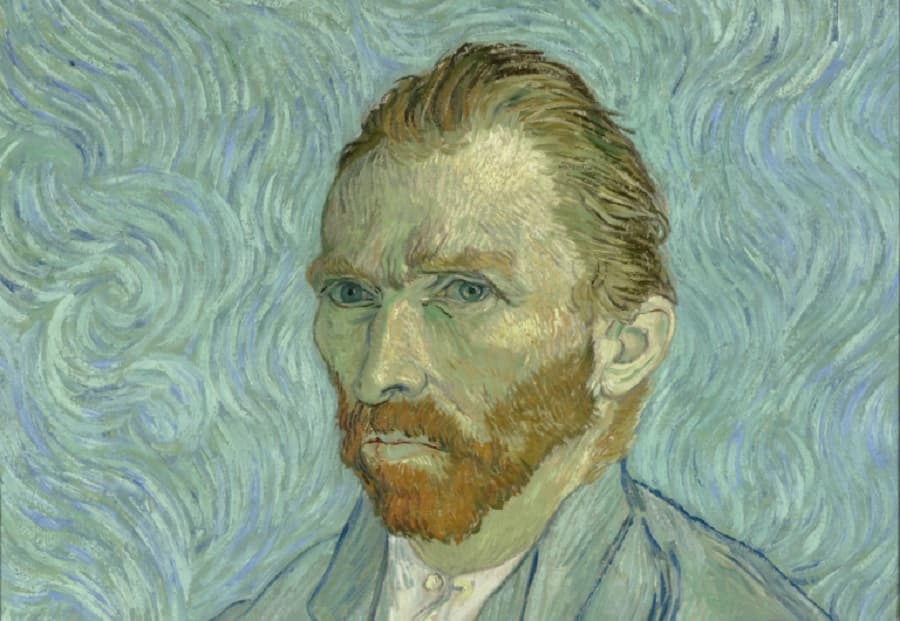
Van Gogh made more than thirty-five self-portraits, most of them during his two years in Paris (1886–88). One reason was practical: he could not afford models, and he wanted to practice figure painting and test new color ideas. He used himself as a cheap and always available sitter. The results range from small, quick studies to more ambitious works like this one; see also Van Gogh Self-Portrait (1889).
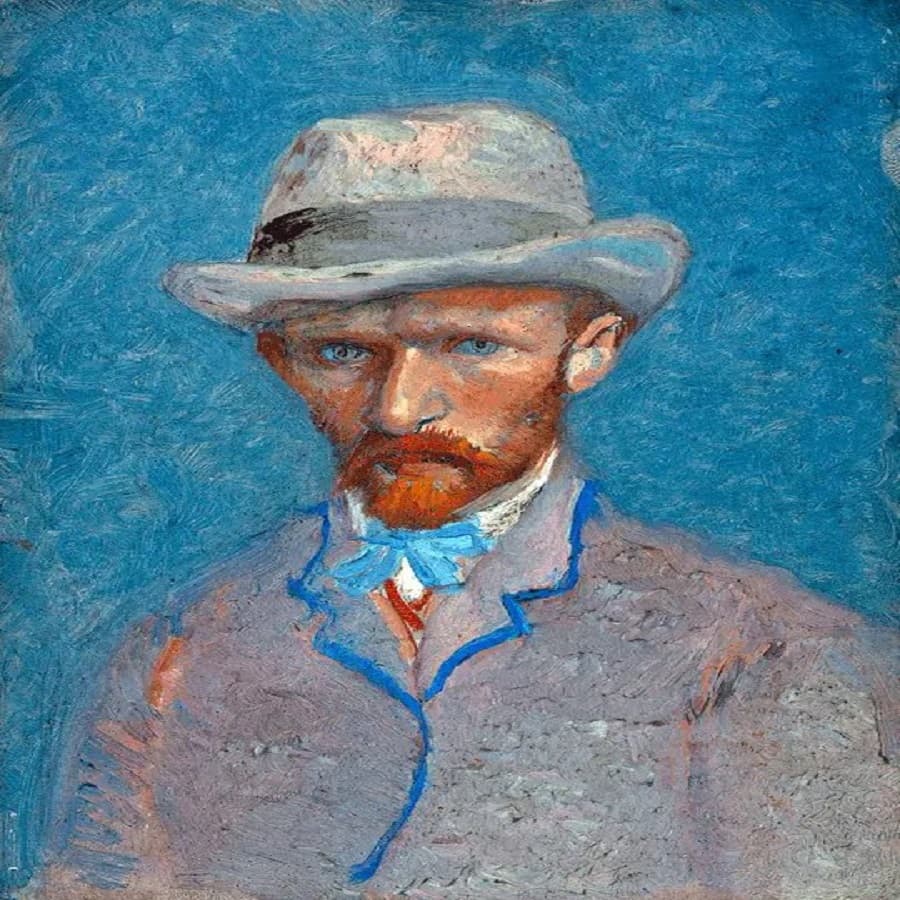
He also shared a flat in Montmartre with his brother Theo, an art dealer who supported him financially. The resemblance between the brothers was strong enough that one small portrait in the Van Gogh Museum, long considered a self-portrait, was reidentified in 2011 as a portrait of Theo.
Meaning
Self-Portrait as a Painter is about identity. By showing himself with the tools of his trade, Van Gogh joins a long tradition of artists asserting their profession, from Rembrandt's self-portraits at the easel (compare Self-portrait with Beret) to the studio portraits of his own century. But the face undercuts any heroism. He looks tired, wary, older than his thirty-four years. By early 1888 he was exhausted by Paris, its city life, its arguments and its drink, and he left in February for Arles, hoping to found a community of artists in the south.
The picture thus stands at a hinge in his life. Within months he would paint Café Terrace at Night, The Night Café and his Sunflowers, the works that made his name.
Where to see it
The painting is in the Van Gogh Museum in Amsterdam, which holds the largest collection of his work in the world, much of it inherited from Theo and his widow, Jo van Gogh-Bonger. It is usually on display among the Paris works. For more, see our guide to famous Van Gogh paintings.
Questions & answers
Where is Van Gogh's Self-Portrait as a Painter?
It is in the Van Gogh Museum in Amsterdam, which owns the largest collection of his work in the world. The museum dates the painting to December 1887 to February 1888. It measures 65.1 by 50 centimeters and is signed "Vincent 88" on the easel.
When did Van Gogh paint Self-Portrait as a Painter?
He painted it in Paris in the winter of 1887–88, shortly before leaving for Arles in February 1888. It is the last self-portrait he made in Paris and one of the largest from that period.
How did Van Gogh describe this self-portrait?
In a June 1888 letter to his sister Willemien, he described a pink-grey face with green eyes, ash-colored hair, wrinkles, a very red, unkempt and sad beard, full lips, a blue smock of coarse linen, and a palette of lemon yellow, vermilion, Veronese green and cobalt blue.
Why did Van Gogh paint so many self-portraits?
He could not afford to pay models, so he used himself as a sitter to practice figure painting and experiment with color. He made more than thirty-five self-portraits, most of them during his two years in Paris from 1886 to 1888.
More by the artist
Vincent van Gogh
Head of a Skeleton with a Burning Cigarette
Vincent van Gogh · 1886
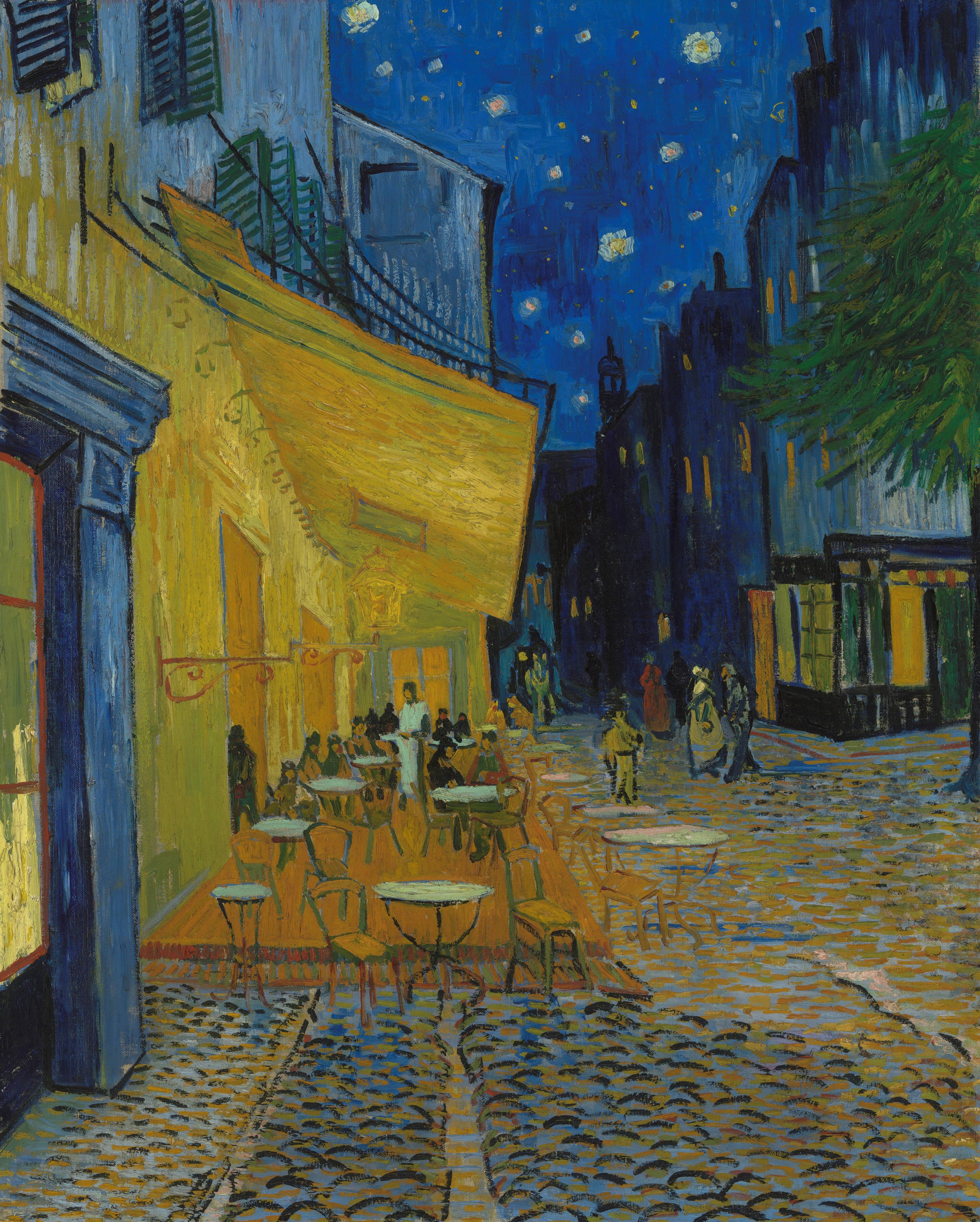
Café Terrace at Night
Vincent van Gogh · September 1888
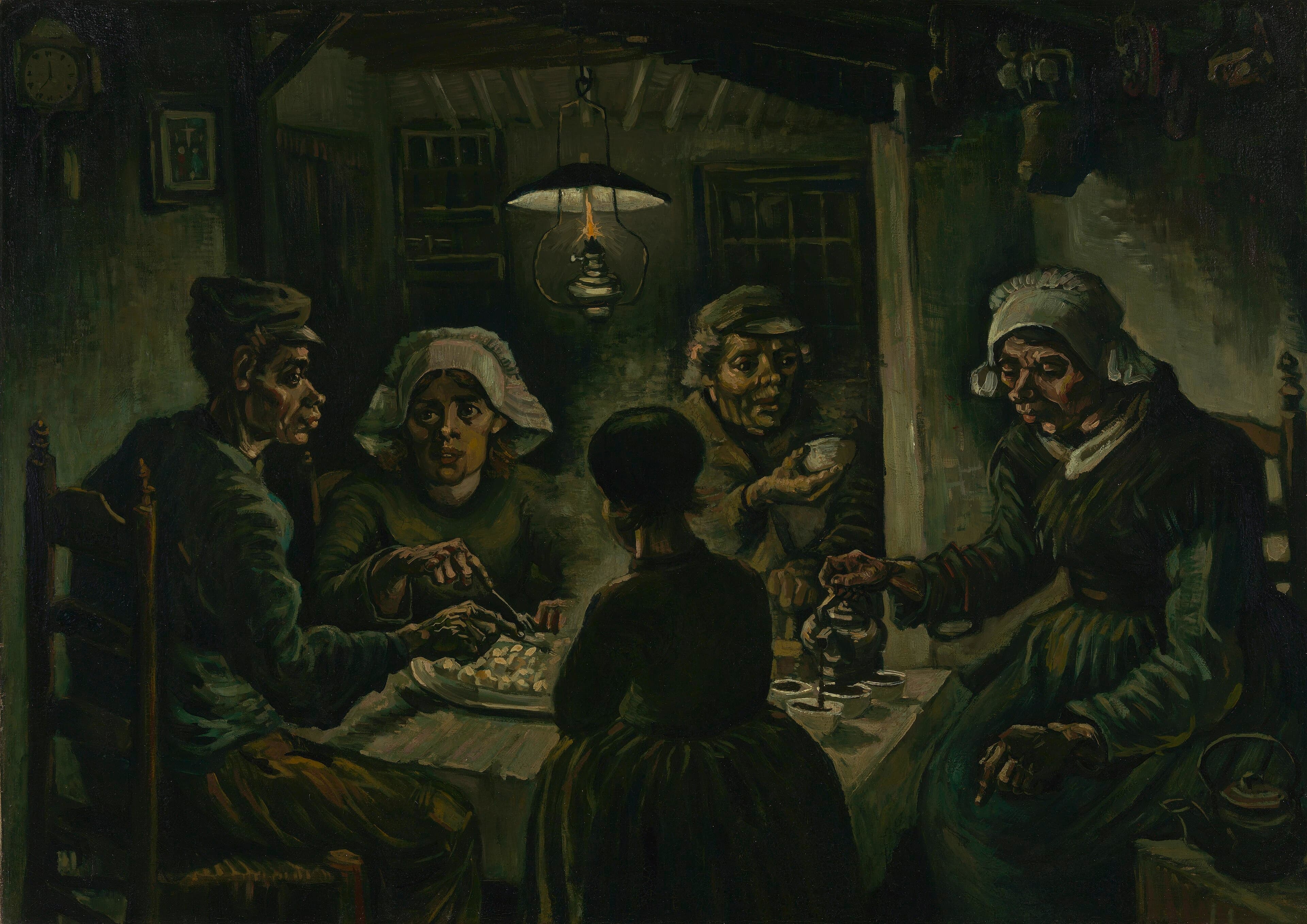
The Potato Eaters
Vincent van Gogh · April–May 1885
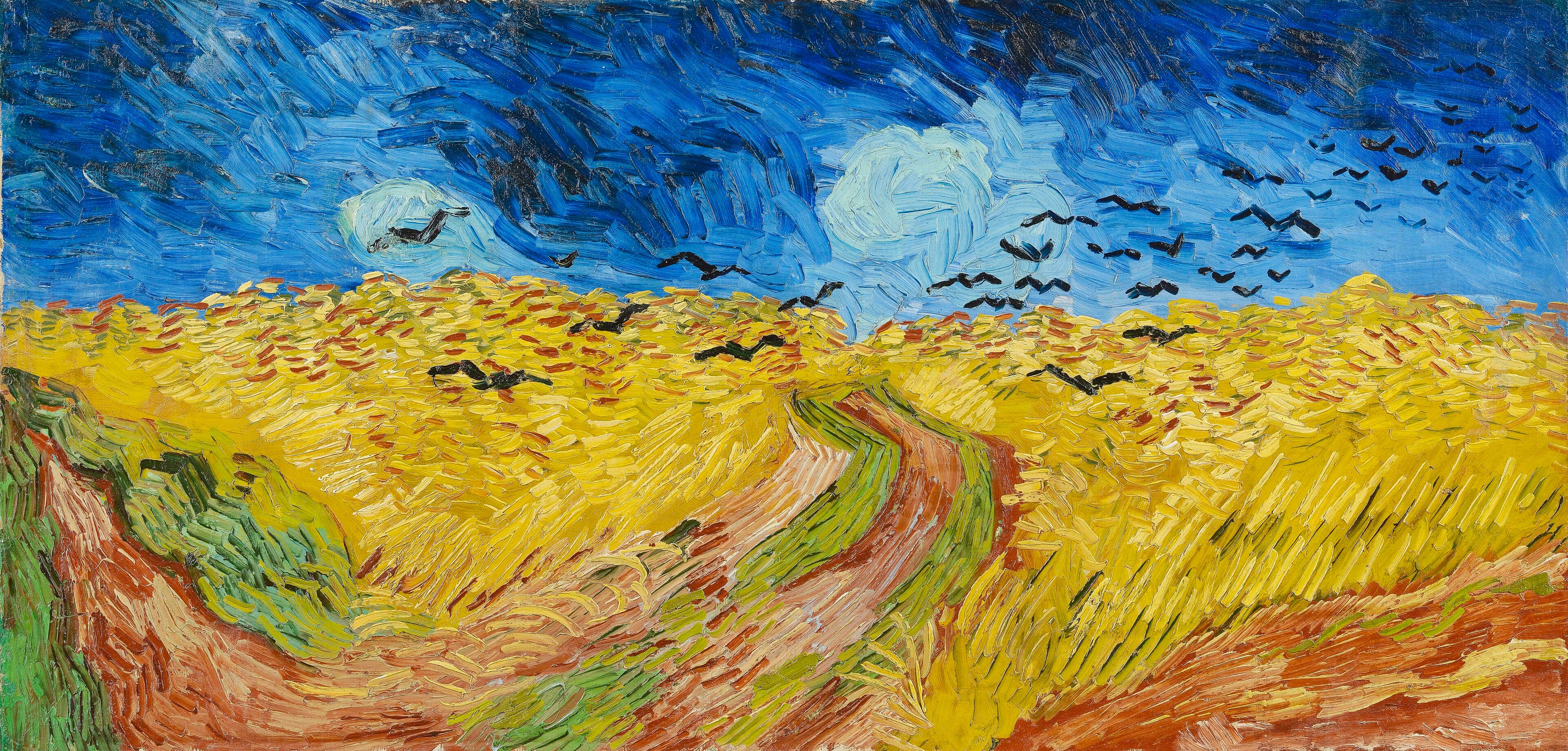
Wheatfield with Crows
Vincent van Gogh · July 1890
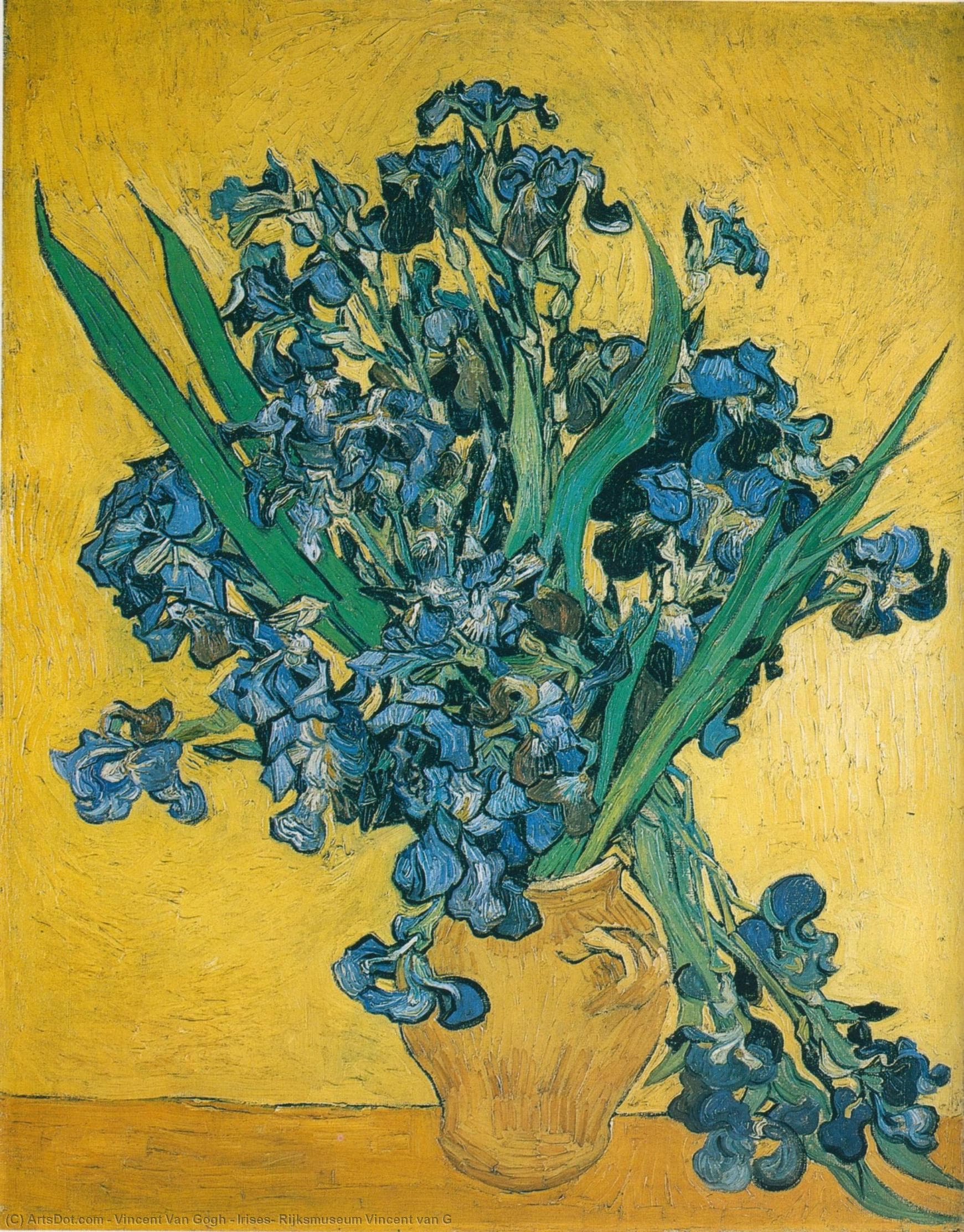
Irises (Vase with Irises Against a Yellow Background)
Vincent van Gogh · 1890
At Eternity's Gate
Vincent van Gogh · 1890
The Starry Night (van Gogh)
Vincent van Gogh · 1889
Portrait of Theo van Gogh (Self-Portrait with Grey Felt Hat)
Vincent van Gogh · 1887
Also painted in 1888
The same year
Kindred works
You may also study
Self-Portrait (1889, Musée d'Orsay)
Vincent van Gogh · 1889
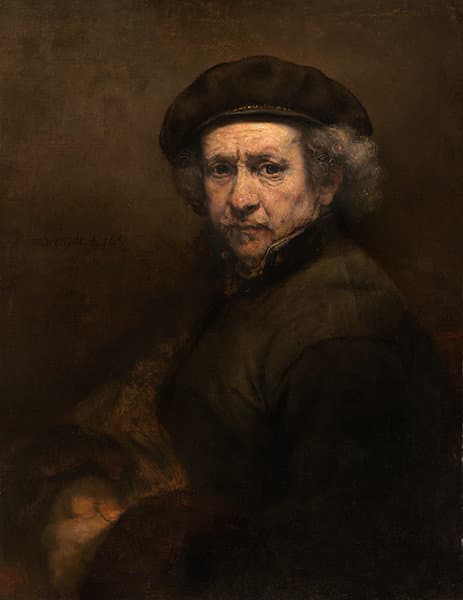
Self-portrait with Beret
Rembrandt · 1659
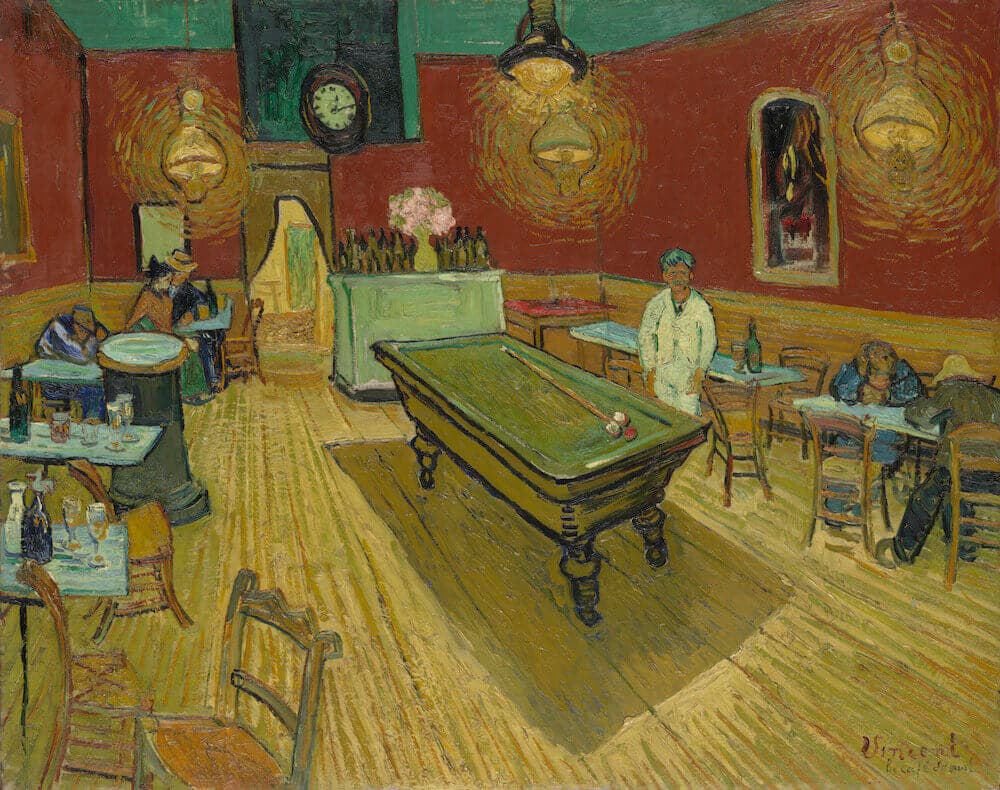
The Night Café
Vincent van Gogh · 1888
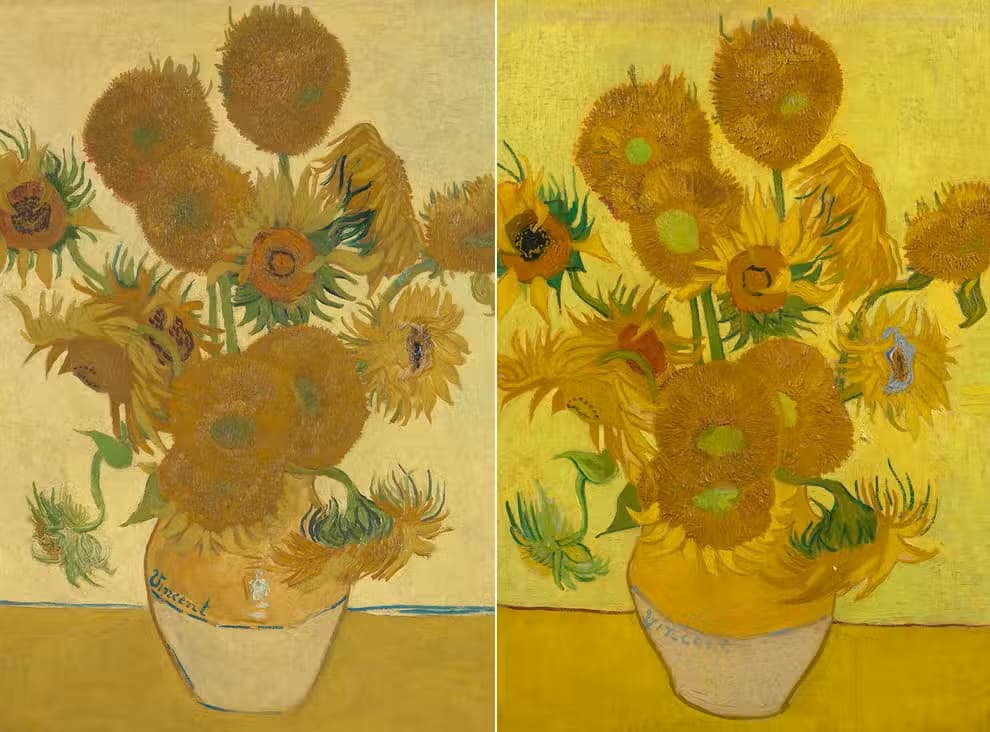
Sunflowers
Vincent van Gogh · 1888–89

Woman with a Parasol – Madame Monet and Her Son
Claude Monet · 1875
Las Meninas
Diego Velázquez · 1656
The School of Athens
Raphael · 1509–1511
Girl with a Pearl Earring
Johannes Vermeer · c. 1665