Realism
The Thankful Poor
Henry Ossawa Tanner, 1894
The Thankful Poor is an 1894 painting by Henry Ossawa Tanner of an elderly Black man and a boy saying grace at a simple table. It is owned by the Art Bridges foundation, which lends it to American museums.
- Artist
- Henry Ossawa Tanner
- Date
- 1894
- Medium
- Oil on canvas
- Dimensions
- 90 × 112.4 cm
- Collection
- Art Bridges (lent to museums), United States
- Movement
- Realism
What you are looking at
An old man and a boy sit at a small table covered with a worn cloth, heads bowed in prayer before a meal. The man, white-haired and bearded, in a dark vest and white shirt, rests his forehead on his clasped hands. The boy, across the corner of the table, covers his eyes with one hand. Between them: a few plates, cups, a white pitcher and a dish of food. Light pours in from a curtained window at the left and spreads across the bare plaster wall behind them, turning it gold and cream.
It is a quiet picture. No one moves, and the meal has not yet begun.
Tanner in 1893–94
Henry Ossawa Tanner (1859–1937), the leading African American painter of his generation, had moved to Paris in 1891. Illness brought him home to Philadelphia in 1893, and there he painted two scenes of Black domestic life: The Banjo Lesson (1893) and The Thankful Poor (1894). Both show an older man and a child, and both turn on the passing of something, music or faith, from one generation to the next. They were based partly on photographs and studies Tanner had made earlier.
Tanner's father, Benjamin Tucker Tanner, was a bishop of the African Methodist Episcopal Church, and the painting has been linked to the church's emphasis on gratitude and to the family's belief in dignity and education. Tanner wrote of wanting to show Black Americans seriously and sympathetically, against the comic stereotypes common in American art at the time.
The Thankful Poor was his last known genre scene of this kind. After returning to France, he turned to biblical subjects, and he became famous for them.
Close looking
The wall is the most striking passage. Tanner paints it in quick, broken, vertical strokes of yellow, white and pale blue, a texture that owes something to his time in France, and the light seems to vibrate on it. Against that brightness, the figures are built up more solidly, in warm browns.
Look at the hands. The man's are knotted and pressed together; the boy's hand screens his face completely. Notice too the stool under the boy and the chair behind the man, both plain and worn. Tanner gives the bare setting the same care as a church interior.
Provenance and where to see it
The painting was bought in 1894 by John T. Morris, who gave it to the Pennsylvania School for the Deaf; it was rediscovered there in 1970. Bill and Camille Cosby bought it at Sotheby's in 1981, and in 2020 it was acquired by Art Bridges, Alice Walton's foundation, which lends it to museums. A study is at the DuSable Museum in Chicago.
For other images of devotion see Light Academia, and compare the American Thanksgiving imagery of Freedom From Want and The First Thanksgiving.
Questions & answers
Where is The Thankful Poor by Henry Ossawa Tanner?
The painting has been owned since 2020 by Art Bridges, the foundation founded by Alice Walton, which lends it to American museums rather than keeping it in one place. It has recently been shown at the Dallas Museum of Art, the Memphis Brooks Museum of Art and the Metropolitan Museum of Art.
What is the meaning of The Thankful Poor?
It shows an elderly man and a boy saying grace before a modest meal. Tanner presented Black family life and faith with seriousness and dignity at a time when American art usually caricatured it. The passing of faith from one generation to the next is the picture's quiet center.
How is The Thankful Poor related to The Banjo Lesson?
Tanner painted the two in Philadelphia in 1893–94. Both show an older man with a boy in a plain interior, sharing something learned: music in The Banjo Lesson, prayer in The Thankful Poor. They are his best-known genre scenes and among the last he painted.
Kindred works
You may also study
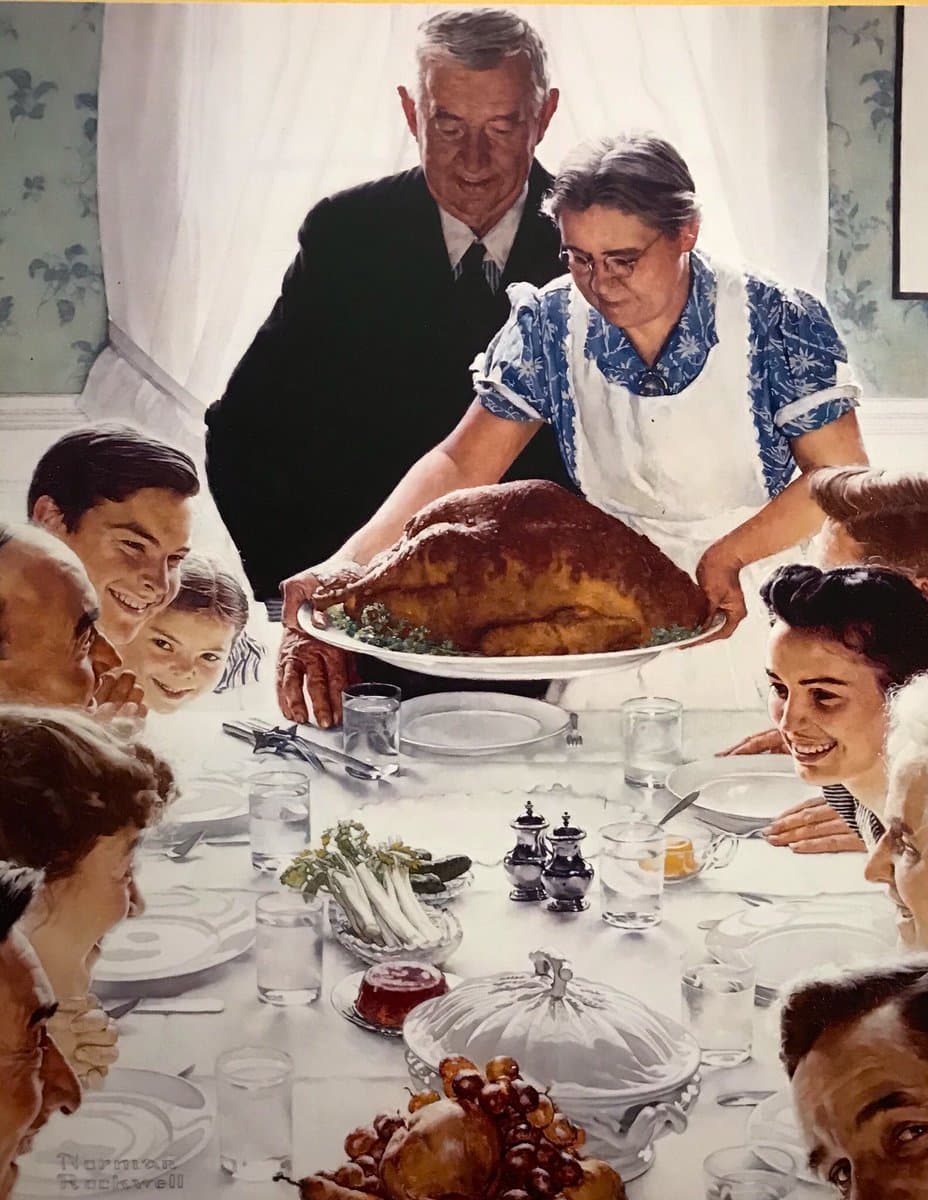
Freedom from Want
Norman Rockwell · 1943
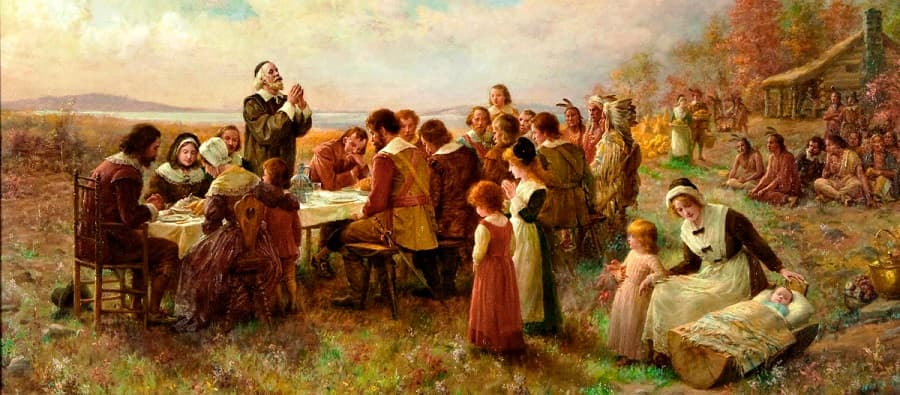
The First Thanksgiving at Plymouth
Jennie Augusta Brownscombe · 1914
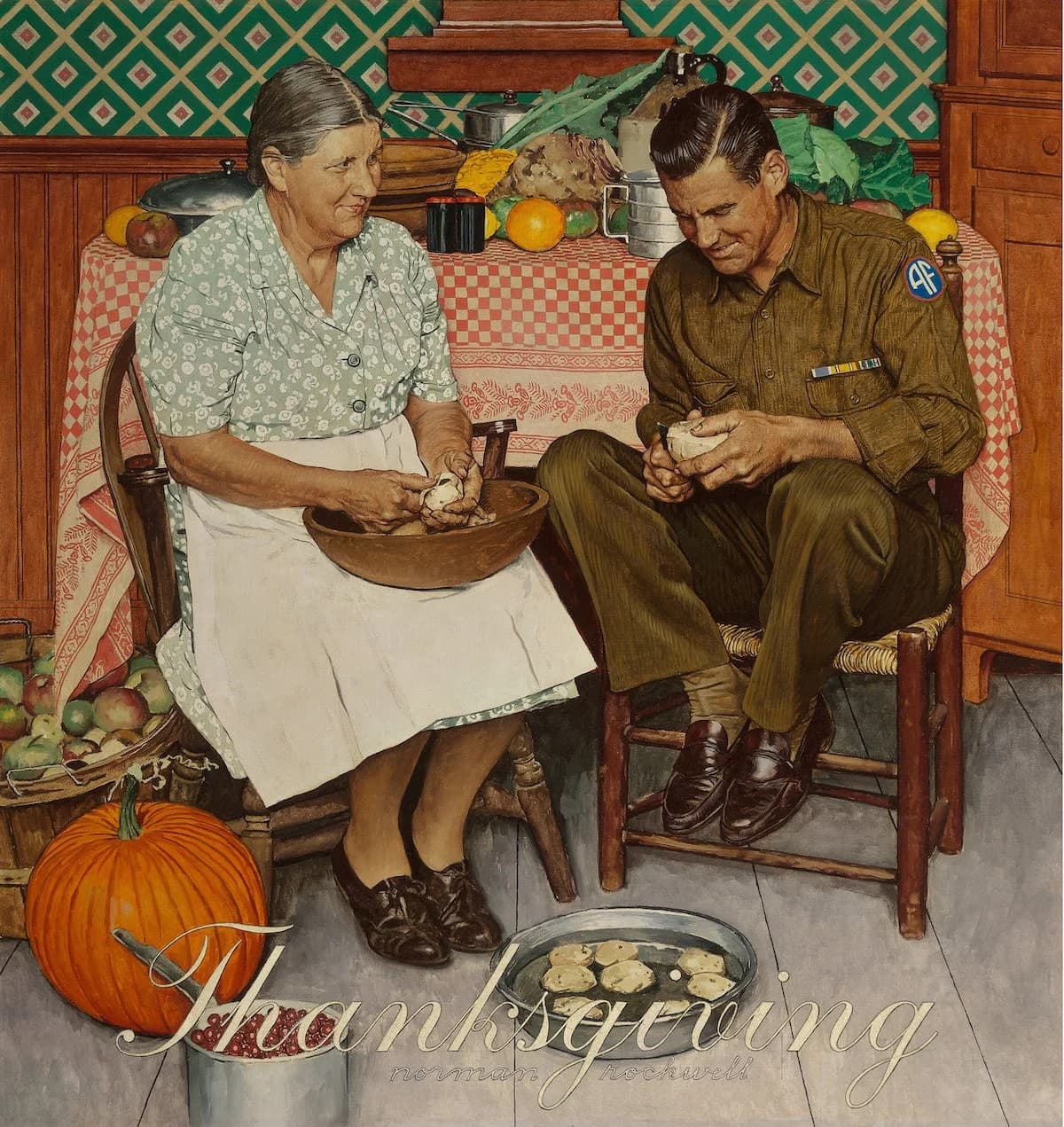
Home for Thanksgiving
Norman Rockwell · 1945
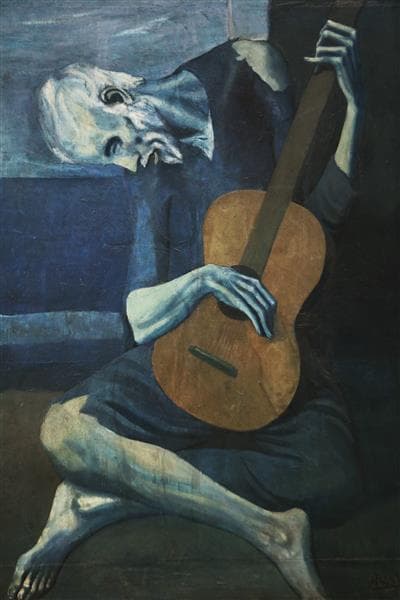
The Old Guitarist
Pablo Picasso · 1903–04
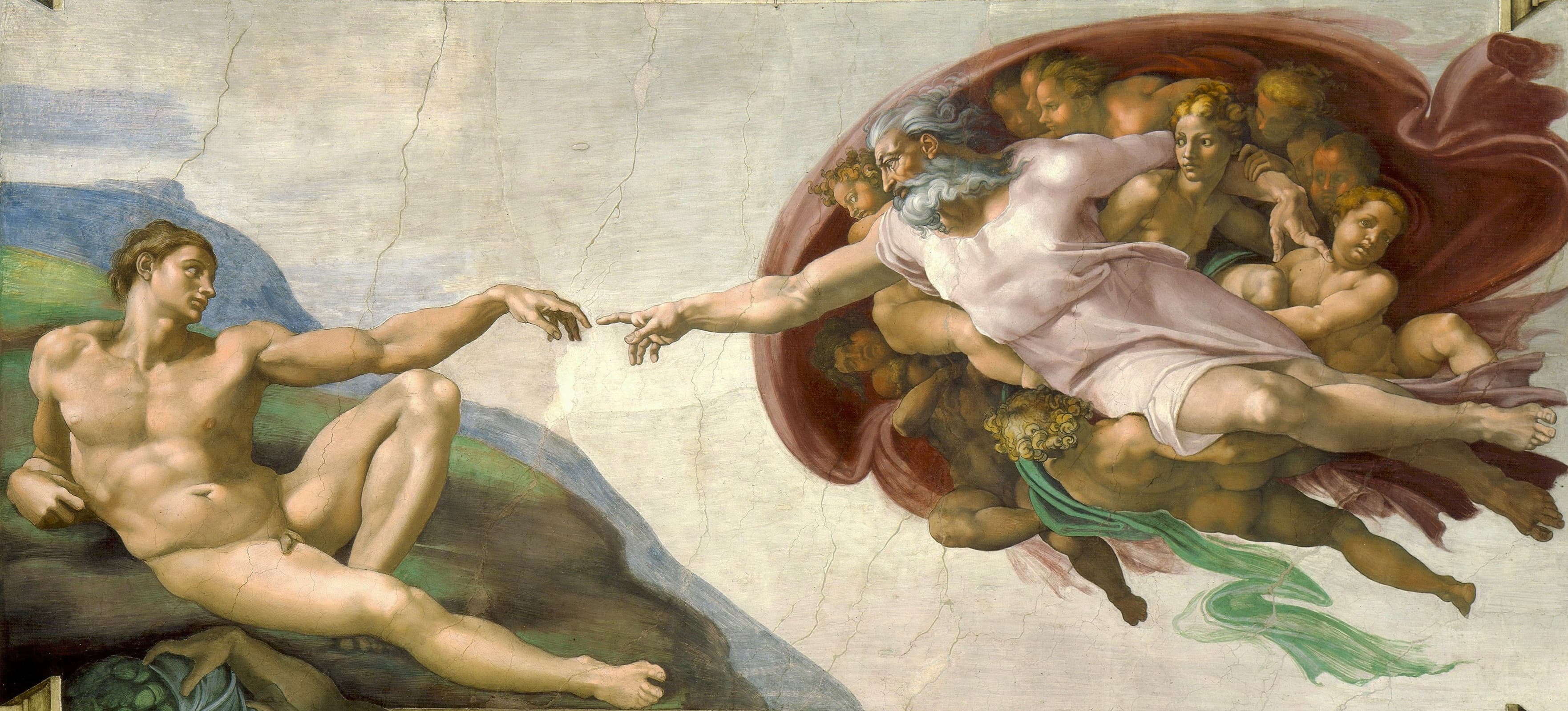
The Creation of Adam
Michelangelo · c. 1511–12

Woman with a Parasol – Madame Monet and Her Son
Claude Monet · 1875
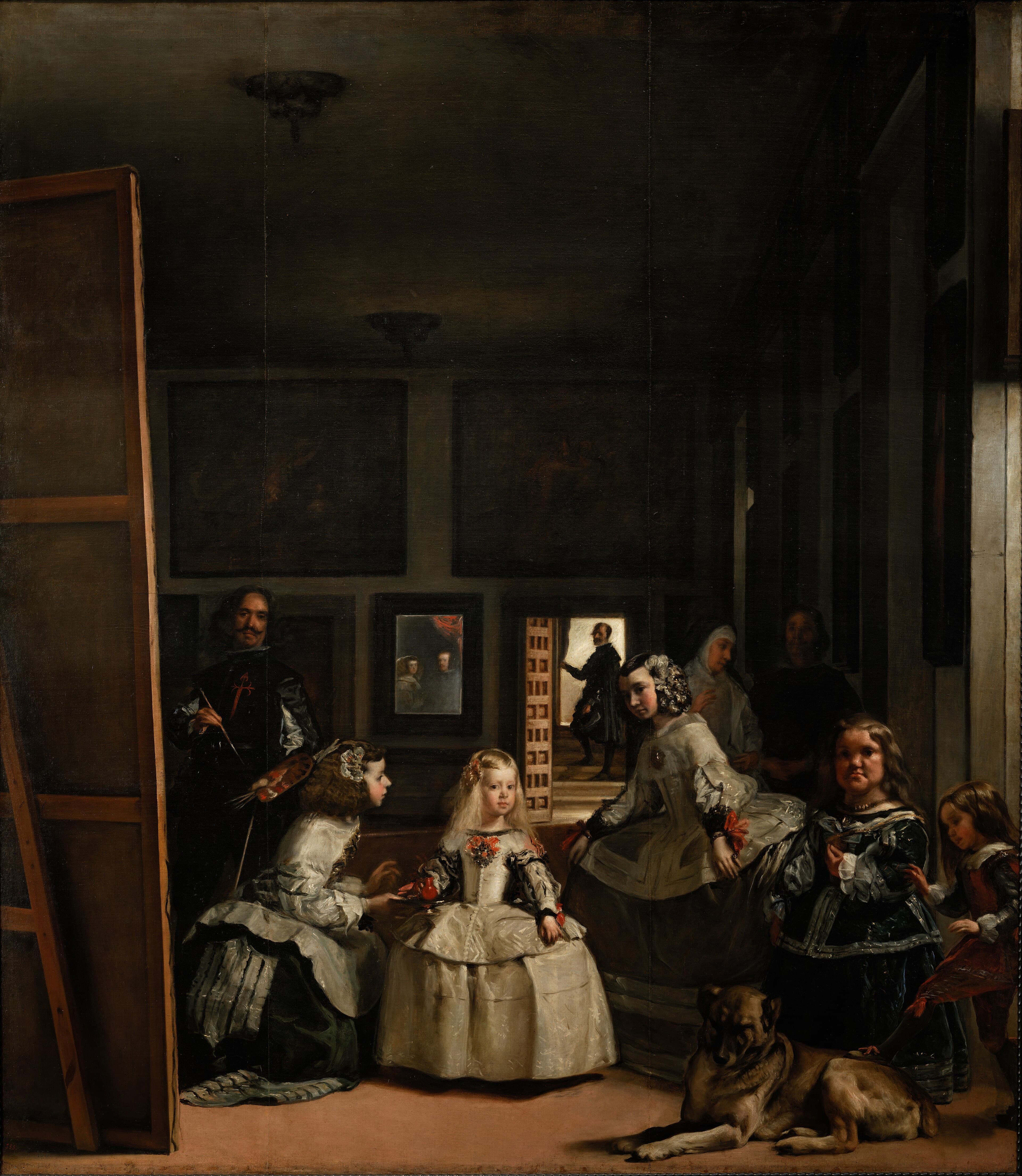
Las Meninas
Diego Velázquez · 1656
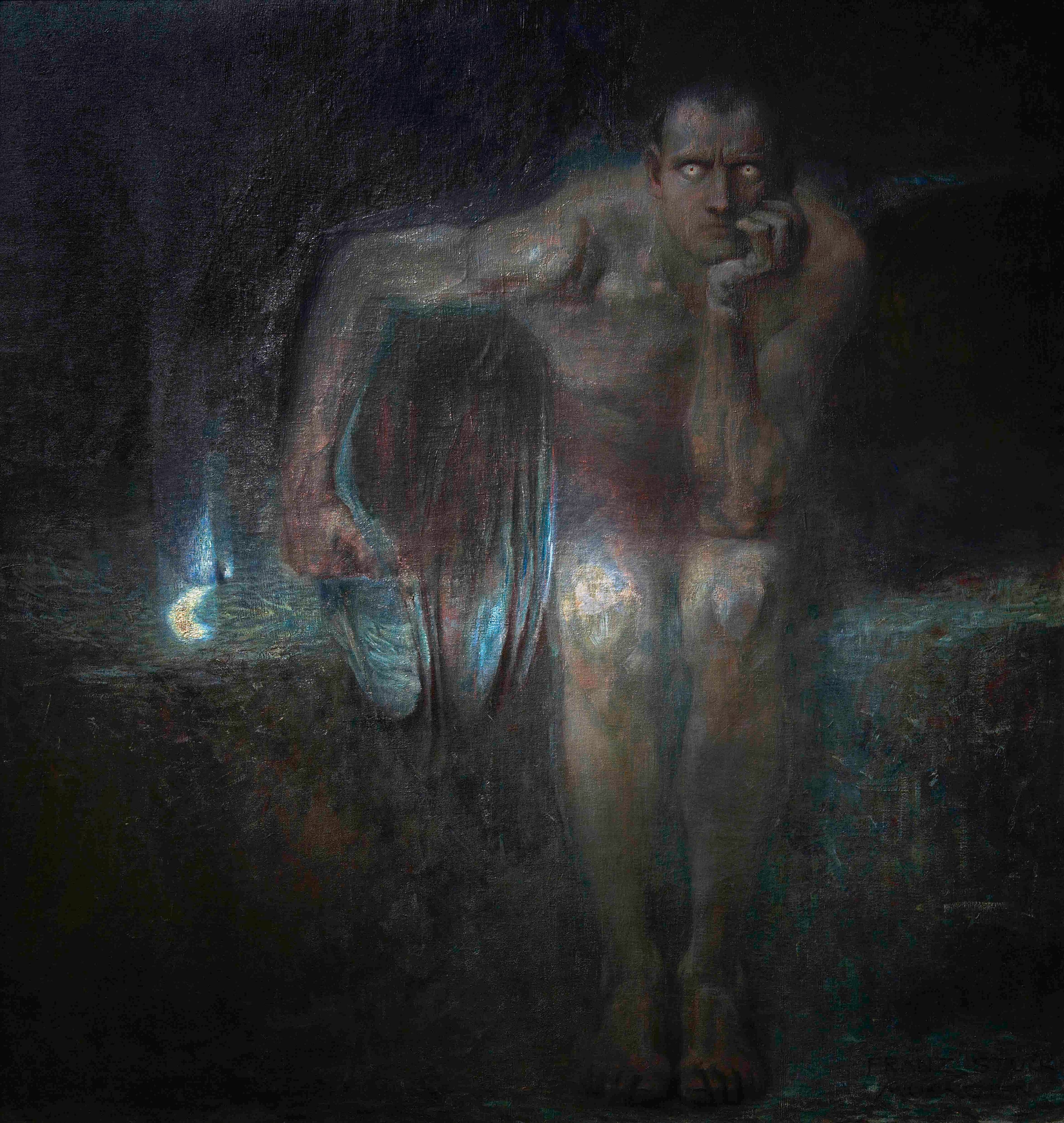
Lucifer
Franz von Stuck · 1890