Modernism
Cat Catching a Bird
Pablo Picasso, 1939
Cat Catching a Bird is a 1939 painting by Pablo Picasso of a snarling striped cat with a bleeding bird in its jaws, made as the Spanish Civil War ended and World War II approached. It is in the Musée national Picasso-Paris.
- Artist
- Pablo Picasso
- Date
- 1939
- Medium
- Oil on canvas
- Dimensions
- 81 × 100 cm
- Collection
- Musée national Picasso-Paris, Paris, France
- Movement
- Modernism
Cat Catching a Bird (Chat saisissant un oiseau) was painted by Pablo Picasso in the spring of 1939; the date 22.4.39 is written in the upper left corner. The canvas, about 81 by 100 centimeters, is in the Musée national Picasso-Paris. Picasso painted the subject in two versions that year.
What you are looking at
A huge tabby cat stands four-square on a strip of dark ground, its striped back arched and its tail raised stiff as a pole. Its head is turned toward us, a flattened mask with glaring white-rimmed eyes and bared teeth, and in its jaws it holds a small dark bird. The bird is still struggling: its wings spread, its legs kick, and a raw red wound shows on its breast.
The cat's claws are drawn as hooked white strokes that bite into the ground, and white lines trace its ribs, belly and jaw, so that the animal seems half drawn, half painted. Its body is thick and earthy: Picasso mixed sand into the paint, which gives the brown fur a gritty, caked texture. Behind, a pale grey-blue sky is empty except for a few scumbled clouds. There is nothing to soften the scene.
Context: 1939
The months in which Picasso painted this picture were among the darkest of his life. His mother died in Barcelona on 13 January 1939. Barcelona fell to Franco's forces later that month and Madrid at the end of March, ending the Spanish Civil War with the defeat of the Republic Picasso had supported, most famously with Guernica in 1937. In Central Europe, Hitler had occupied Czechoslovakia in March. Picasso, then living in Paris, could not return to Spain.
He insisted that he did not set out to paint the war like a reporter, but acknowledged that it was present in the pictures he made at the time. The cat, a domestic animal turned predator, and the helpless bird have often been read as an image of cruelty and of the weak at the mercy of the strong. Picasso later said the subject had obsessed him without his knowing why.
Picasso's animals
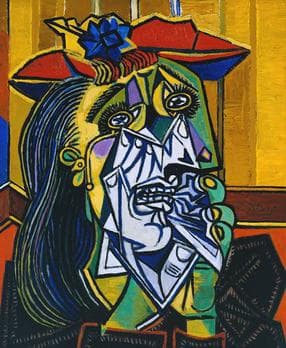
Animals carry much of the emotional weight in Picasso's work of these years: the bull and the screaming horse of Guernica, the cockerels and the cats. The distorted, mask-like faces relate to his portraits of women, such as Weeping Woman of 1937, and look forward to the hard, angular figures of the war years.
Where to see it
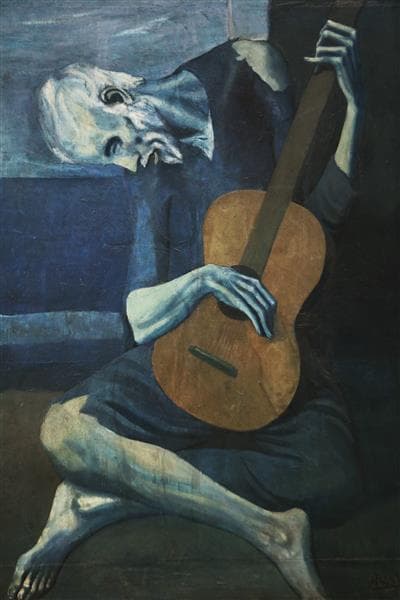
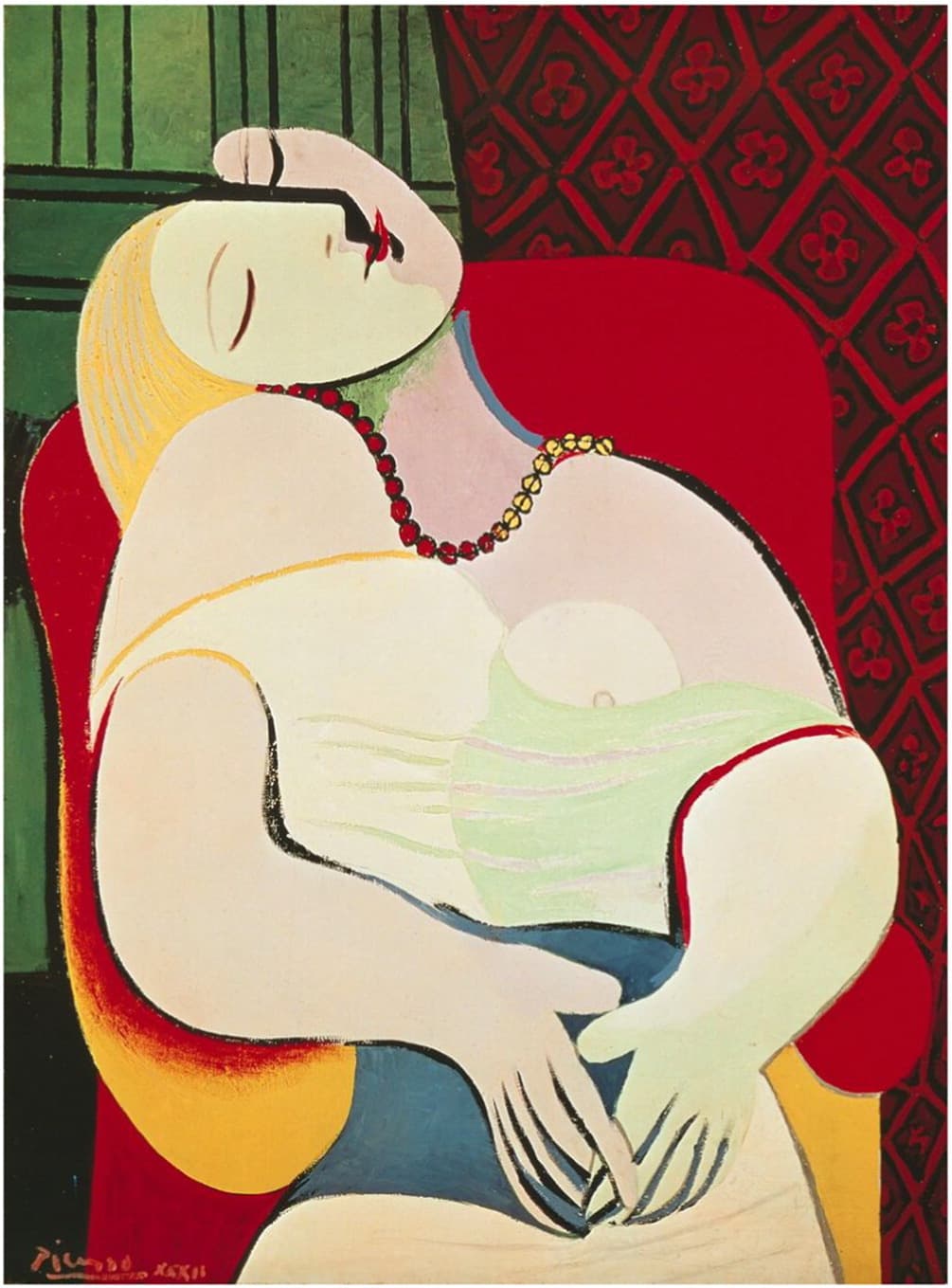
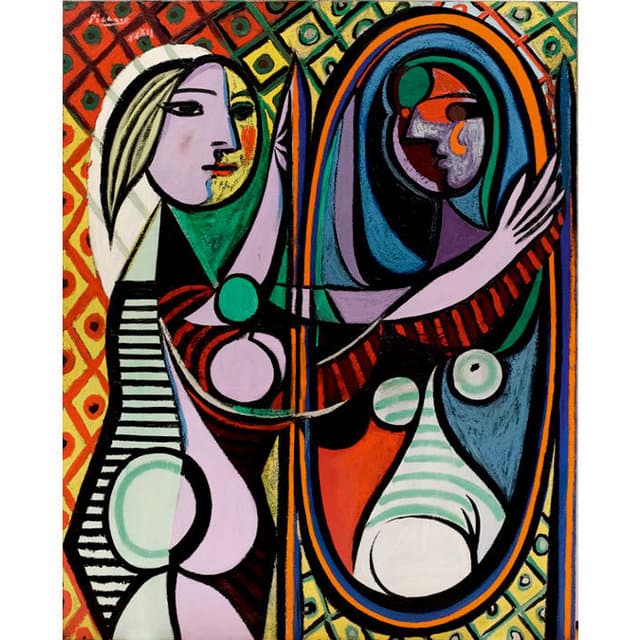
The painting is in the Musée national Picasso-Paris in the Hôtel Salé in the Marais, which holds the works Picasso kept for himself. Compare the calmer Girl before a Mirror and Le Rêve of 1932, and the earlier Old Guitarist. More at Pablo Picasso.
Questions & answers
Where is Picasso's Cat Catching a Bird?
The 1939 painting is in the Musée national Picasso-Paris, in the Hôtel Salé in the Marais district of Paris. The museum was created from works that Picasso kept for himself, which passed to the French state in lieu of inheritance tax after his death in 1973.
What does Cat Catching a Bird mean?
It is generally read as an image of cruelty and violence, painted as the Spanish Civil War ended in Franco's victory and Europe moved toward World War II. Picasso denied painting the war directly but said it was present in his work of that time. The cat preying on a helpless bird suggests the strong destroying the weak.
When did Picasso paint Cat Catching a Bird?
The canvas is dated 22 April 1939 in the upper left corner. Picasso made two versions of the subject that spring, shortly after his mother's death in January and the fall of Barcelona and Madrid to Franco's forces, which ended the Spanish Civil War.
More by the artist
Pablo Picasso
Kindred works
You may also study

The Scream
Edvard Munch · 1893

Saturn Devouring His Son
Francisco Goya · c. 1819–1823

Ophelia
John Everett Millais · 1851–52
Lucifer
Franz von Stuck · 1890
Head of a Skeleton with a Burning Cigarette
Vincent van Gogh · 1886
The Garden of Earthly Delights
Hieronymus Bosch · c. 1490–1510
Liberty Leading the People
Eugène Delacroix · 1830
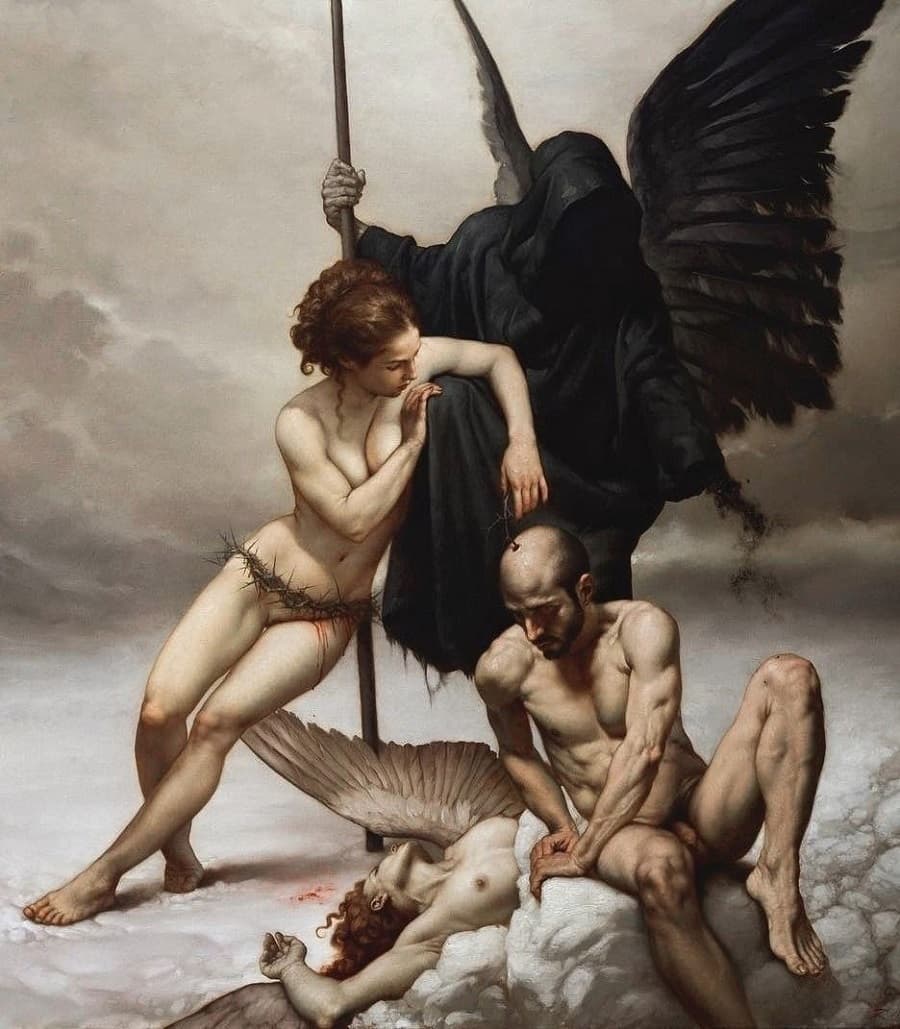
The Angel, the Death, and the Devil
Roberto Ferri · 2018