Neoclassicism (copy after Baroque)
The Fall of the Damned
Guy Head, before 1799
The Fall of the Damned is a large monochrome copy after Rubens's painting of the same name, attributed to the English painter Guy Head and made before 1799. It is in the collection of the Royal Academy of Arts, London.
- Artist
- Guy Head
- Date
- before 1799
- Medium
- Oil on canvas
- Dimensions
- 288.5 × 215.5 cm
- Collection
- Royal Academy of Arts, London, United Kingdom
- Movement
- Neoclassicism (copy after Baroque)
What you are looking at
A torrent of naked bodies pours down the canvas. Men and women twist, clutch and tumble over one another, heads down, limbs flailing, dragged and pushed by grinning demons with bat wings and animal faces. The whole mass seems to fall from the light at the top left toward a dark abyss at the bottom, where flames and more monstrous shapes wait. Everything is painted in a single range of warm brown and gold, without other color, so the bodies look like flames themselves.
This is a copy of Peter Paul Rubens's Fall of the Damned, painted around 1620 and now in the Alte Pinakothek in Munich. The copy, nearly three meters tall, is attributed to the English painter Guy Head, who died in 1800, and is dated before 1799. It belongs to the Royal Academy of Arts in London.
Correcting the record
Earlier descriptions of this image, including a previous version of this page, presented it as a contemporary painting made in 2014. That is not correct. The composition is Rubens's, and the Royal Academy's version is an eighteenth-century copy.
Rubens's original
Rubens painted The Fall of the Damned as a vision of the Last Judgment, drawing on the Gospel of Matthew, where the angels gather "all things that offend" and cast them into "a furnace of fire." In the original, at the top left, the archangel Michael and his angels, armed with shields and lightning, drive the damned out of the light. Rubens builds the picture from dozens of foreshortened nudes linked in a single falling spiral, a showpiece of his command of the human body in motion.
Why copy it?
Copying great paintings was central to an artist's training in the eighteenth century, and to the teaching of the Royal Academy, founded in 1768. Guy Head was born in Carlisle, trained at the Royal Academy Schools from 1778, and spent many years in Italy, where he worked as a copyist and history painter before returning to England shortly before his death. A large copy like this, painted in tones of brown in the manner of an oil sketch, let a student study the structure and movement of a composition without the distraction of color.
Looking closely
Notice how light and shade do all the work. The bodies near the top are lit almost gold; as they fall they sink into shadow, until at the bottom they are barely distinguishable from the darkness. Rubens's demons are easy to miss at first: look for the horned heads and hooked claws pulling at the figures.
Where to see it
The copy is in the Royal Academy collection, London. Rubens's original is in the Alte Pinakothek, Munich. See also The Fall of the Rebel Angels and Fallen Angels in Art.
Questions & answers
Who painted The Fall of the Damned?
The composition was invented by Peter Paul Rubens around 1620; his original is in the Alte Pinakothek, Munich. The monochrome version shown here is an eighteenth-century copy attributed to the English painter Guy Head, made before 1799 and now owned by the Royal Academy of Arts, London.
What does The Fall of the Damned show?
It shows the Last Judgment from the side of the damned: sinners cast down from heaven by the archangel Michael and his angels, falling in a tangled mass of bodies toward hell, where demons seize them. The theme draws on the Gospel of Matthew.
Why did artists copy Rubens's paintings?
In the eighteenth century, copying old masters was a core part of artistic training, encouraged by the Royal Academy. A copy taught an artist how a great painter composed figures, light and movement. Guy Head made many copies during his years in Italy.
Kindred works
You may also study
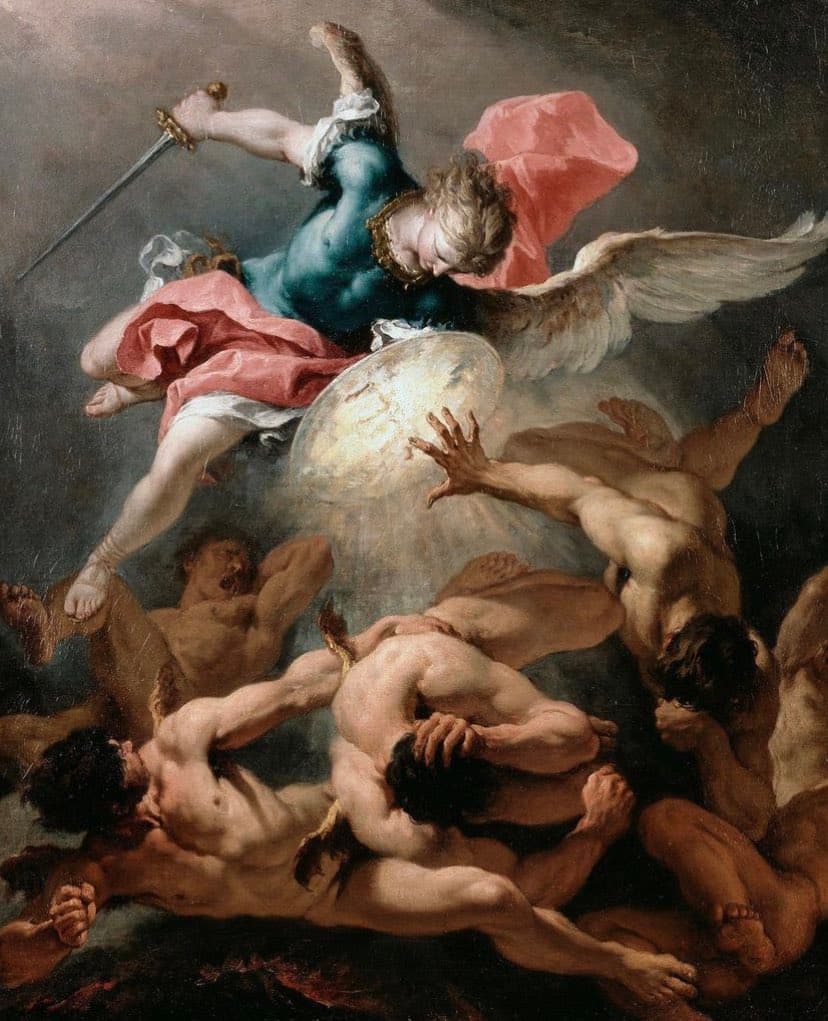
The Fall of the Rebel Angels
Sebastiano Ricci · c. 1720
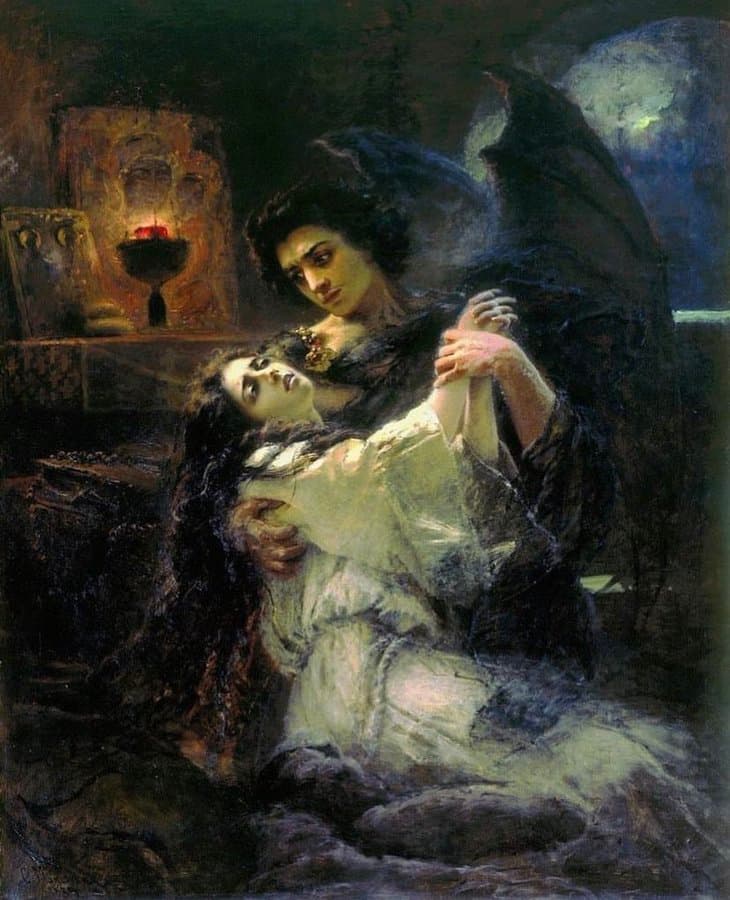
Tamara and Demon
Konstantin Makovsky · 1889
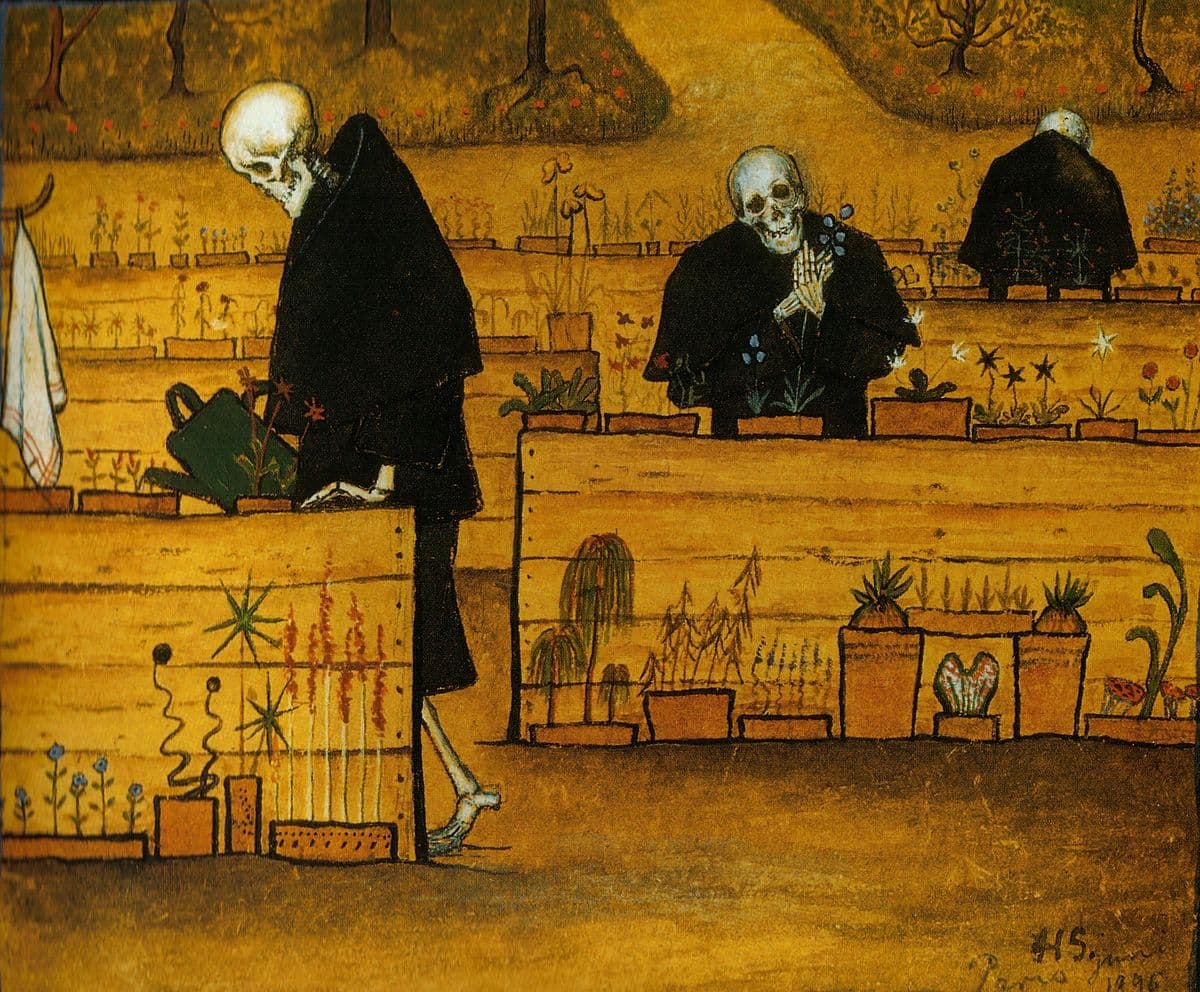
The Garden of Death
Hugo Simberg · 1896

The Scream
Edvard Munch · 1893

Saturn Devouring His Son
Francisco Goya · c. 1819–1823
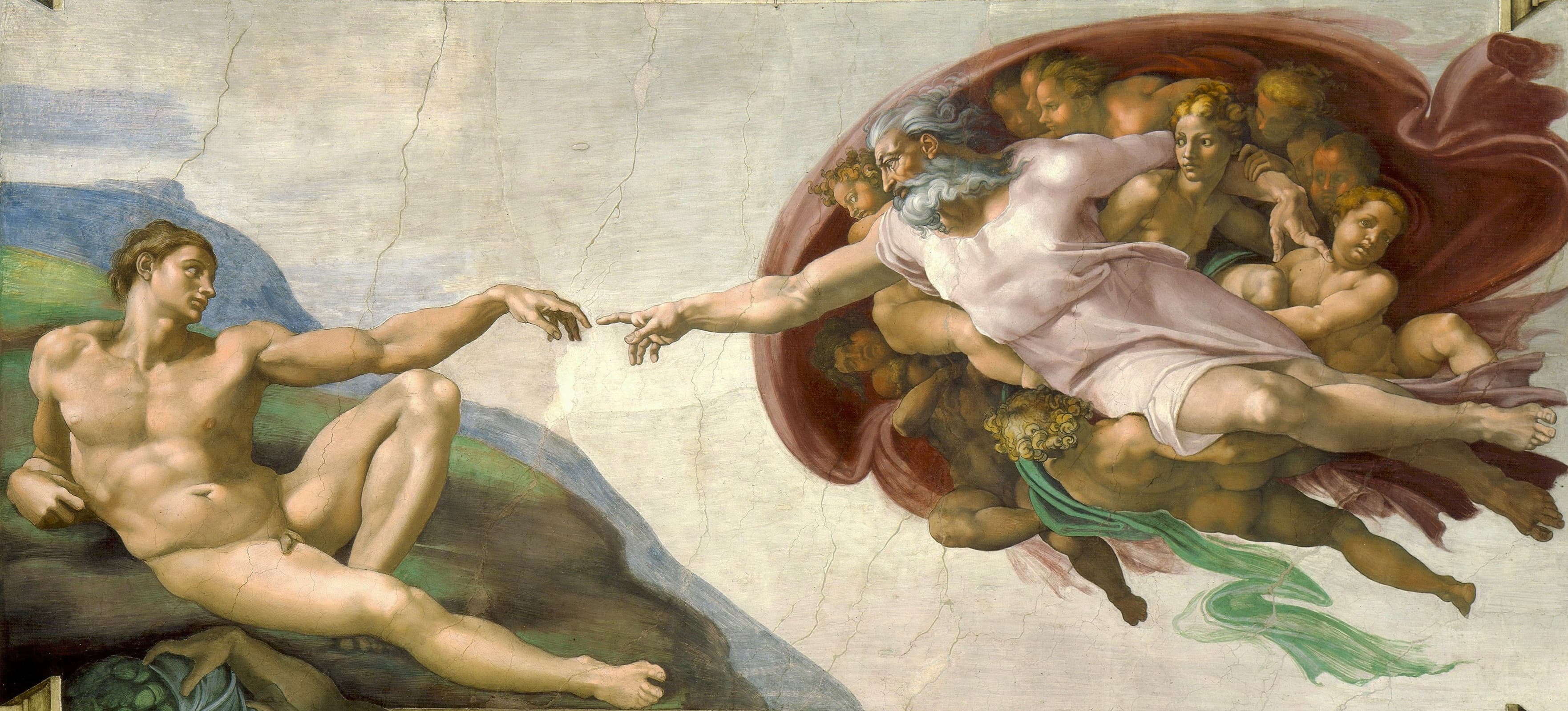
The Creation of Adam
Michelangelo · c. 1511–12

Ophelia
John Everett Millais · 1851–52
Lucifer
Franz von Stuck · 1890