Contemporary art
Scene VI
Josephine Meckseper, 2019
Scene VI is an installation by Josephine Meckseper, shown at Timothy Taylor in New York in early 2019: a mirrored bedroom set from her film PELLEA[S], a political update of Maeterlinck's play Pelléas et Mélisande set in Washington, D.C.
- Artist
- Josephine Meckseper
- Date
- 2019
- Medium
- Installation: mirrored set with mannequins, furniture, props and objects from the film PELLEA[S]
- Collection
- Timothy Taylor (exhibited 2019), New York, United States
- Movement
- Contemporary art
What you are looking at
The viewer looks into a room made almost entirely of mirrors. Walls, floor and partitions reflect each other endlessly, so every object appears doubled or tripled. At the center stands a stainless-steel bed with a white mattress, a naked female mannequin seated on its edge. Others sit or stand further back. Crystal chandeliers hang from the ceiling; metal-framed partitions with Venetian blinds divide the space. A clothes-drying rack hung with white garments stands at the left, a bright yellow-green bath mat lies on the mirrored floor, and dozens of bottles cluster at the foot of the bed. Across the glass, scrawled in red, are graffiti-like words.
This is Scene VI by the German-born, New York–based artist Josephine Meckseper, installed at Timothy Taylor gallery in New York in early 2019. It is one of the sets from her feature-length film PELLEA[S], presented in the gallery as a complete installation with elements and props from the movie.
The film behind the set
PELLEA[S] adapts Maurice Maeterlinck's Symbolist play Pelléas et Mélisande (1892), the dreamlike story of a mysterious young woman, her older husband and his half-brother, a love triangle that ends in jealousy and death. The play inspired Debussy's opera and became a touchstone of Symbolist art.
Meckseper moved the story to Washington, D.C., and wove it together with documentary footage she shot at the 2017 presidential inauguration and the Women's March that followed. The gallery describes the film as bringing the play's gender debates into the political present, with the architecture of the capital as its backdrop and scenes shot in interiors the artist designed. It was screened at the Whitney Museum of American Art in 2018.
Looking closely
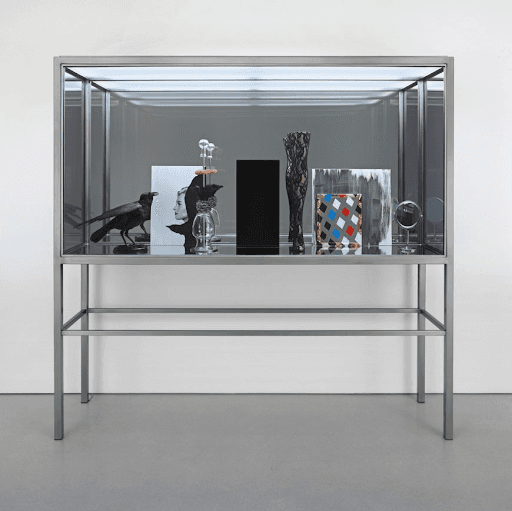
Meckseper is best known for her glass and mirrored vitrines, which display consumer goods, political images and protest material like merchandise in a shop window. Scene VI enlarges that idea into a walk-in room. The mirrors multiply the mannequins and bottles, turning a bedroom into a showroom where intimacy and display cannot be separated.
The gallery cited Fassbinder's set for The Bitter Tears of Petra von Kant, Alain Resnais's Last Year at Marienbad and Claes Oldenburg's Bedroom Ensemble (1963) as reference points. All three treat a room as a stage for desire, memory and power, and Meckseper's chrome-and-mirror version adds the cold glamour of luxury retail.
Meaning
The work asks how political spectacle and private life reflect each other. Maeterlinck's heroine is a passive figure trapped by the men around her; Meckseper's mannequins, naked and posed, are objects on display in a room that reflects everyone who looks at them, including the viewer. Shown in early 2019, at a moment of intense debate about gender and power in American public life, the piece reads as a mirror held up to its time.
For older art drawn from Symbolist literature, see our Symbolism collection. Other works by Meckseper on this site include Filmtract Nº1 and Masculine Feminine.
Where to see it
Scene VI was exhibited at Timothy Taylor, New York, from 24 January 2019. As a temporary installation it is not on permanent public view; information on its current status is best sought from the artist's galleries.
Questions & answers
What is Scene VI by Josephine Meckseper?
Scene VI is an installation of one of the mirrored sets from Meckseper's film PELLEA[S], shown at Timothy Taylor gallery in New York in early 2019. It includes mannequins, a steel bed, chandeliers, bottles and other props from the movie.
What is the film PELLEA[S] about?
PELLEA[S] adapts Maurice Maeterlinck's 1892 play Pelléas et Mélisande, setting it in Washington, D.C., and combining it with footage Meckseper filmed at the 2017 presidential inauguration and the Women's March. It was screened at the Whitney Museum in 2018.
Why is Scene VI made of mirrors?
Mirrors and glass vitrines are Meckseper's signature. In Scene VI they multiply the mannequins and objects and reflect the viewer, turning a private bedroom into a space of display that links intimacy, consumer culture and political spectacle.
More by the artist
Josephine Meckseper
Kindred works
You may also study

Venus de Milo
Alexandros of Antioch · c. 150–125 BC
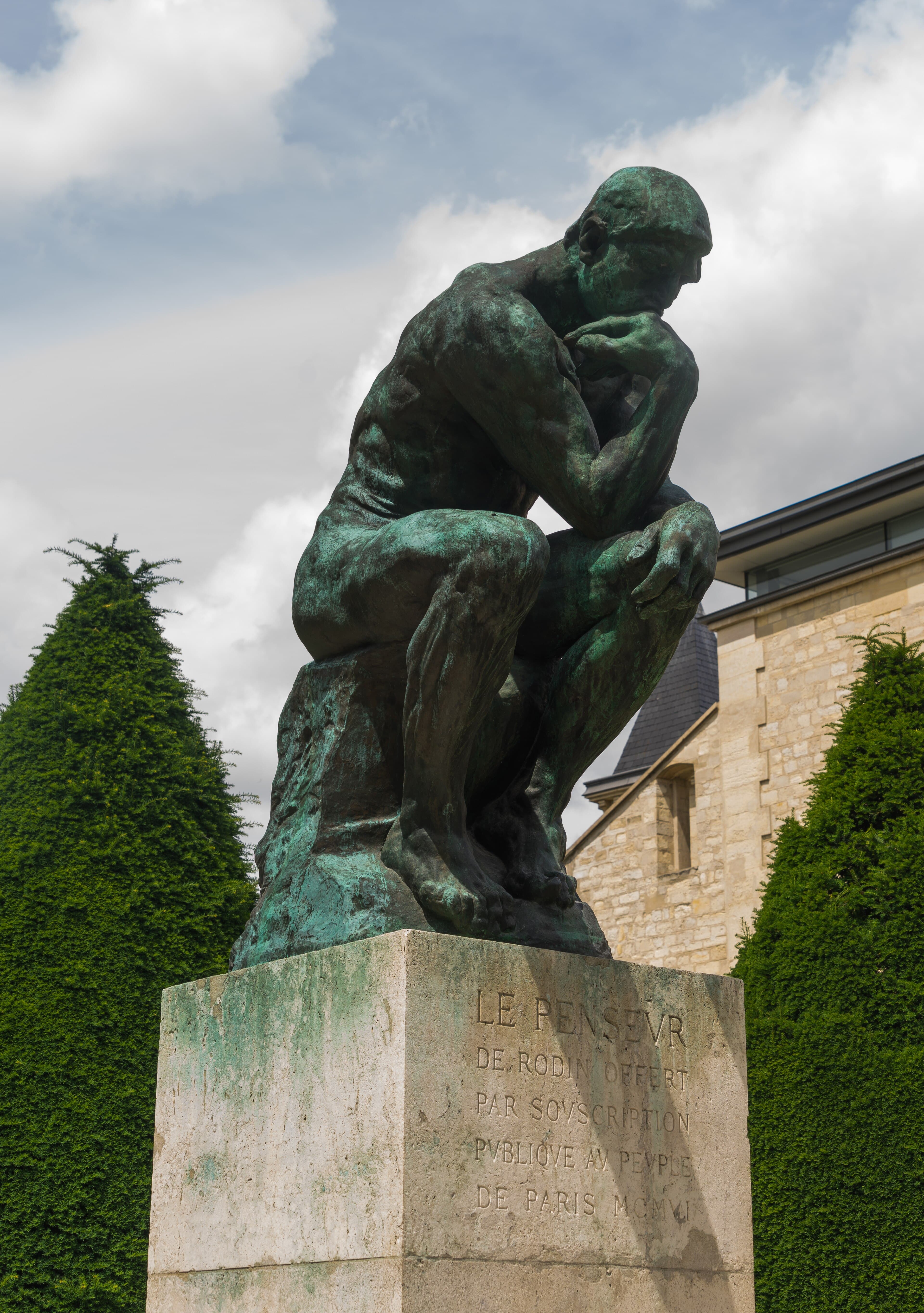
The Thinker
Auguste Rodin · Modeled 1880–82; enlarged 1902–03; this cast 1904

Ophelia
John Everett Millais · 1851–52
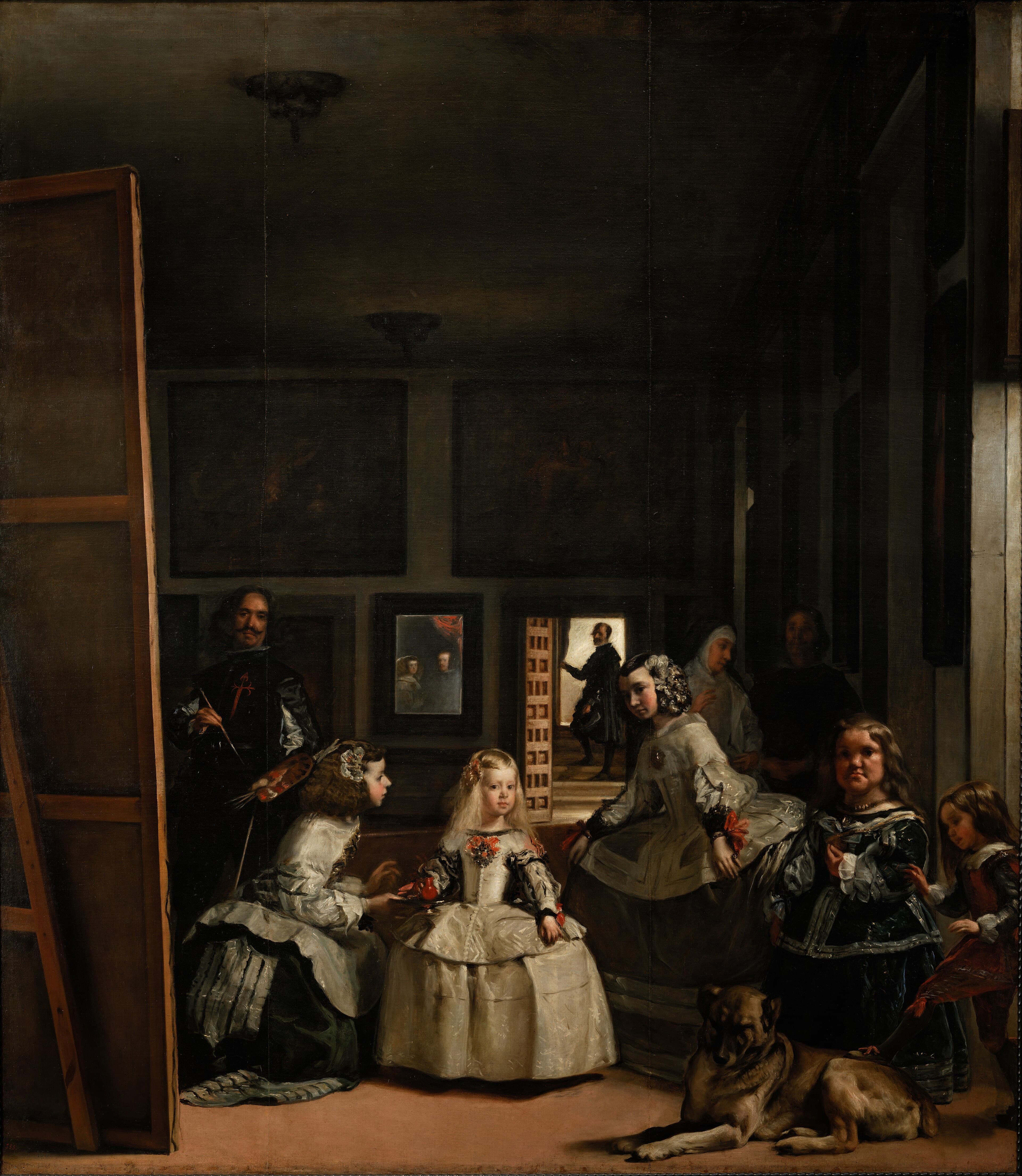
Las Meninas
Diego Velázquez · 1656
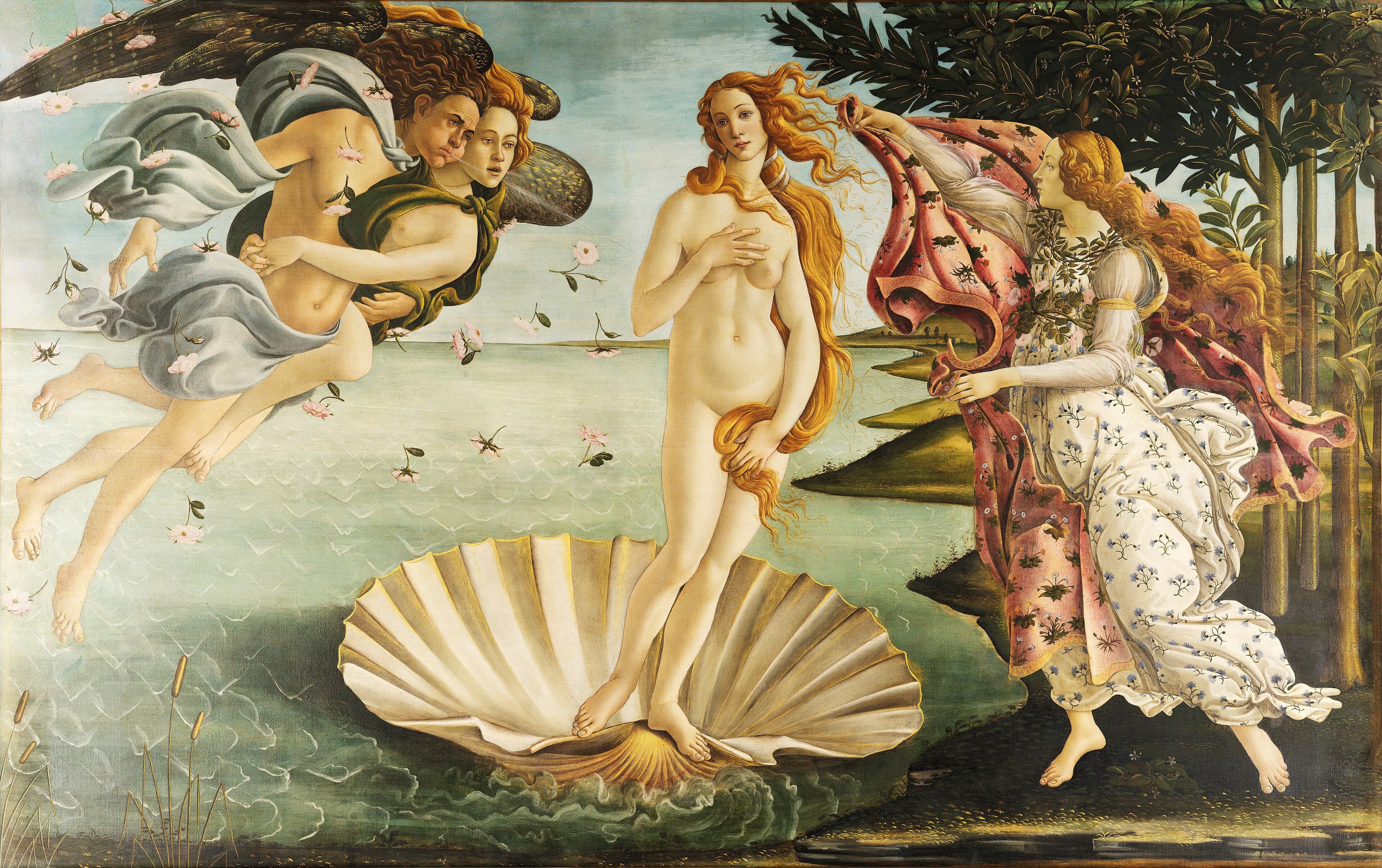
The Birth of Venus
Sandro Botticelli · c. 1484–1486
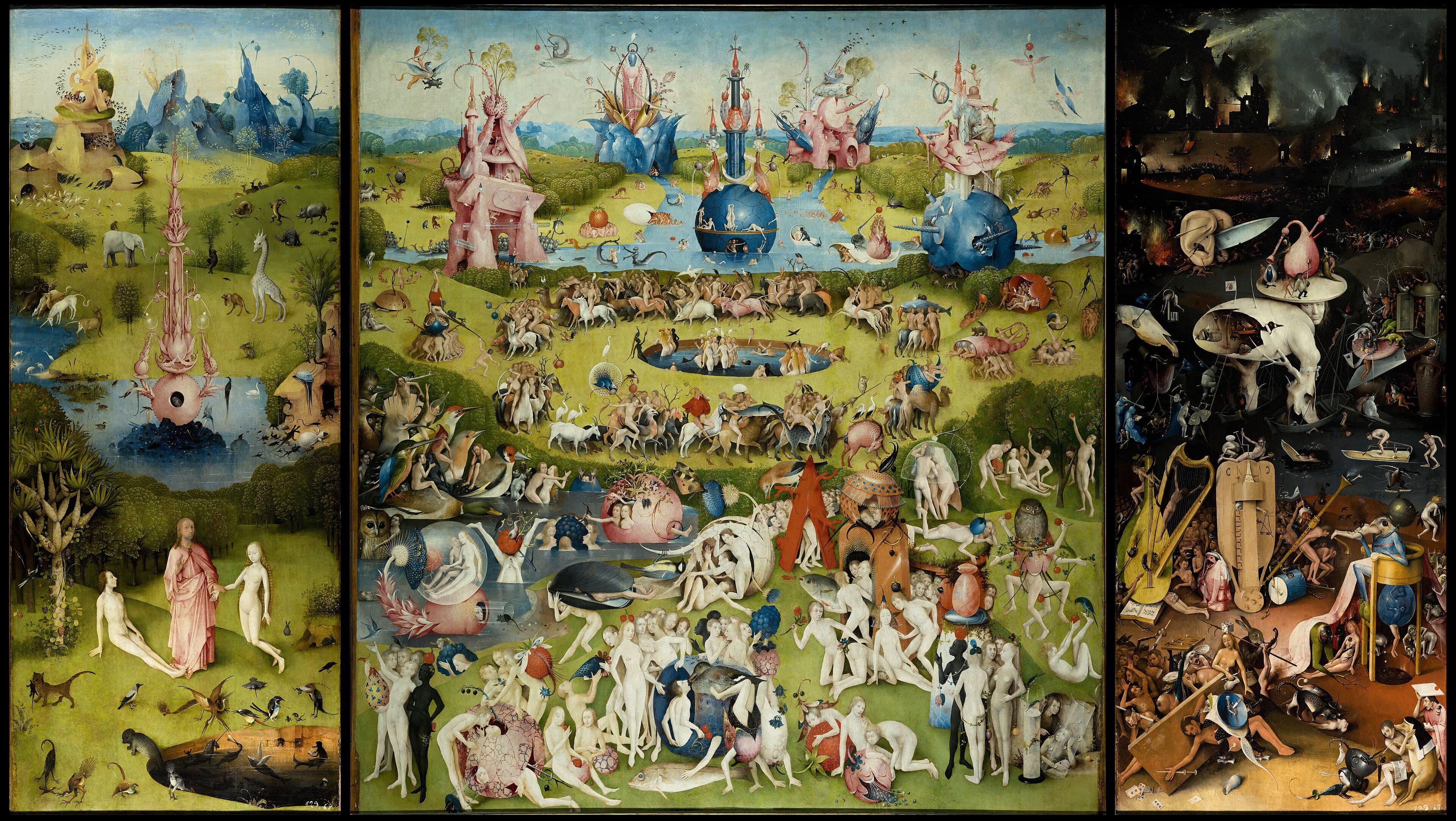
The Garden of Earthly Delights
Hieronymus Bosch · c. 1490–1510
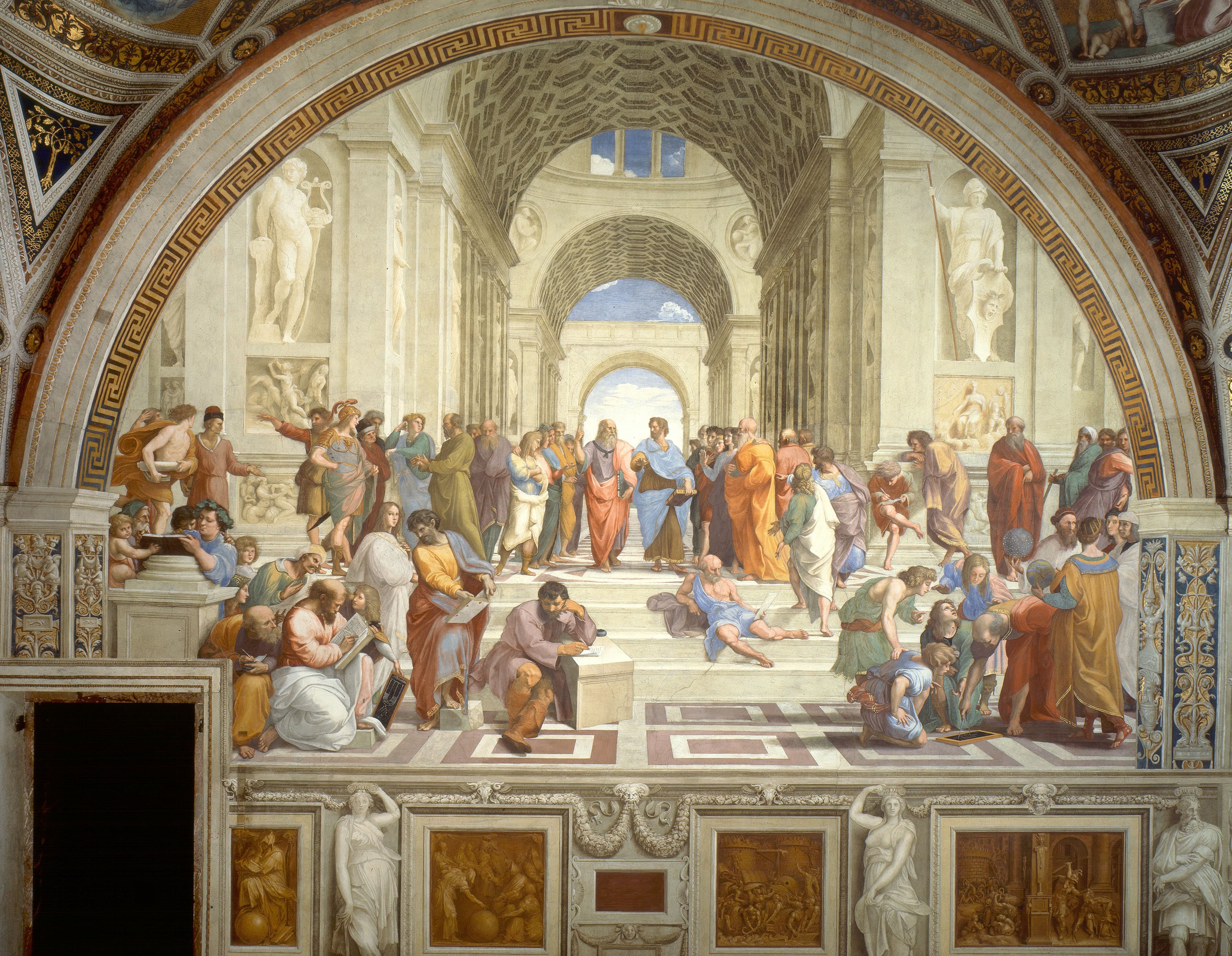
The School of Athens
Raphael · 1509–1511
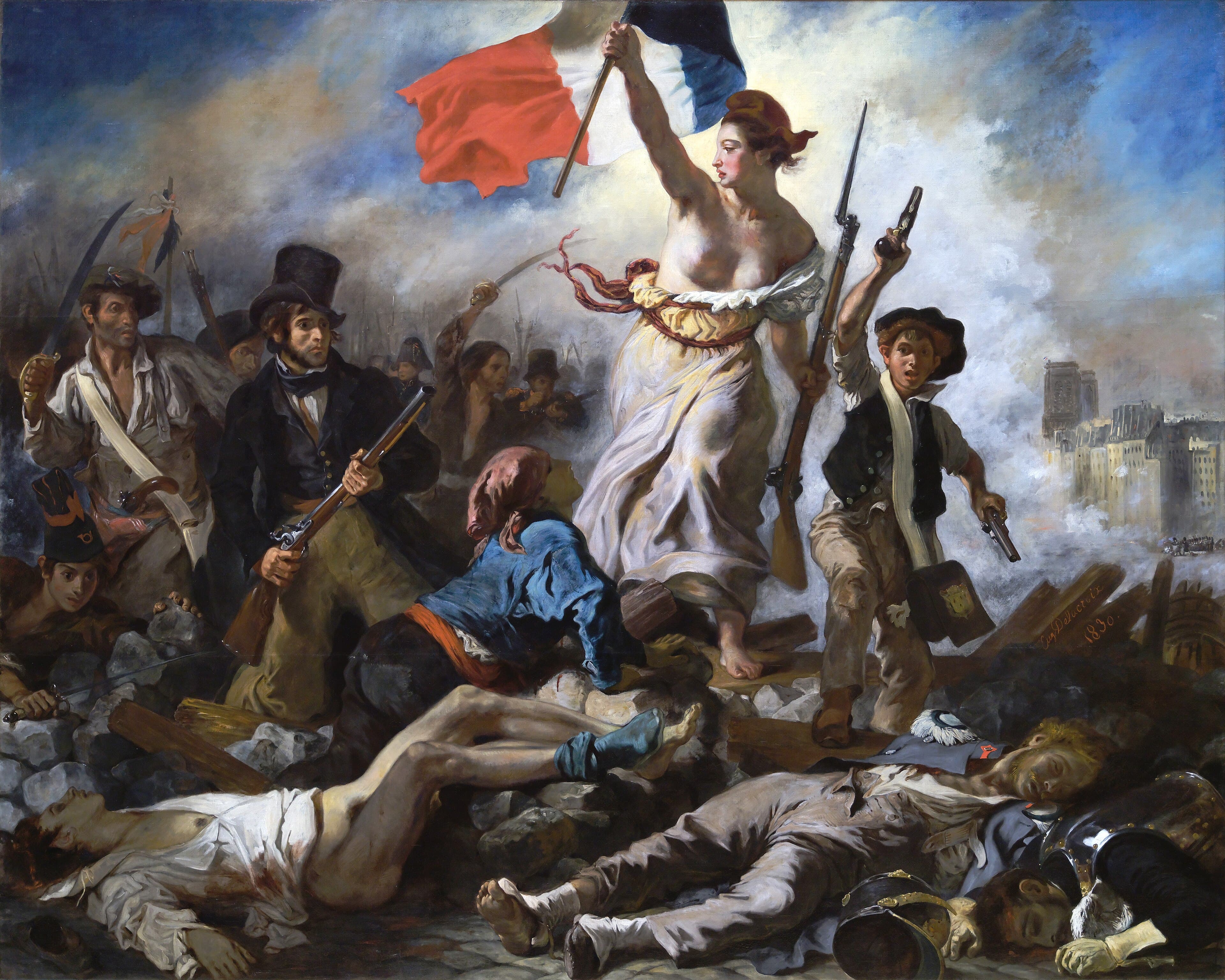
Liberty Leading the People
Eugène Delacroix · 1830