Contemporary art
Masculine Feminine
Josephine Meckseper
Masculine Feminine is a framed mixed-media work by Josephine Meckseper that layers tinted acrylic sheeting over paint, printed images and collage, including a white rabbit and a black splattered grid, in a square aluminum frame.
- Artist
- Josephine Meckseper
- Medium
- Acrylic sheeting, acrylic paint, paper and wood in aluminum frame
- Dimensions
- 122.9 × 122.9 cm
- Movement
- Contemporary art
Masculine Feminine is a wall work by Josephine Meckseper, the German-born artist based in New York, known for combining the visual language of consumer display with abstract painting and political imagery. According to our records it is made of acrylic sheeting, acrylic paint, paper and wood, mounted in an aluminum frame, and it is square, about 122.9 centimeters on each side. We have not confirmed its date.
What you are looking at
The work is a shallow box in a dark metal frame. Its front is a sheet of tinted acrylic, gray-violet in color, through which the layers inside are seen as if through a shop window or a smoked glass.
Behind the tinted surface, several kinds of image are combined. At upper left, a black blot spreads out in a rough grid of horizontal and vertical strokes, with drips running down from it, like a splash of ink caught in a net. At upper right, a thick vertical bar of black paint is joined by two smaller strokes of yellow. In the center right is a small photograph of a white rabbit, soft and slightly blurred. Below it is a black-and-white collage of abstract shapes, like a fragment of a modernist print. In the lower right corner, black painted forms read as the legs of an upturned stool or a construction of beams. Along the lower edge, smears of gray and white and a dark horizontal stroke suggest a wiped or erased surface.
The overall effect is muted and cool: color filtered through the plastic, with only the yellow and the white of the rabbit standing out.
How to read it
The title echoes Masculin féminin (1966), Jean-Luc Godard's film about young people in Paris, consumer culture and politics, which described its characters as "the children of Marx and Coca-Cola." Meckseper has often drawn on 1960s film and protest imagery, though we have not found a statement in which she explains this particular title.
The work sets familiar signs against one another. The gestural black marks recall the "masculine" heroics of postwar abstract painting, while the rabbit, an image of softness associated with advertising and with Playboy's logo, brings in commercial femininity. Seen through the tinted acrylic, all of them become equally glossy surfaces, like goods behind glass. That flattening of art, desire and politics into display is a constant theme in Meckseper's work.
Where to see it
We have not been able to confirm the current owner. Meckseper's works are held in public collections in the United States and Europe and shown regularly in galleries. See also Here and Elsewhere, May she. Have hear. Birds. and Filmtract Nº1, and the Josephine Meckseper page.
Questions & answers
Who made Masculine Feminine?
Masculine Feminine is by Josephine Meckseper, an artist born in Germany in 1964 who lives in New York. Her work combines consumer display, abstract painting and political imagery, often behind glass or tinted acrylic, so that art and commodities appear side by side.
What is Masculine Feminine made of?
According to our records, it is made of acrylic sheeting, acrylic paint, paper and wood, set in an aluminum frame about 122.9 centimeters square. A tinted acrylic front covers layers of painted marks, a photograph of a white rabbit and a black-and-white collage.
Is Masculine Feminine named after the Godard film?
The title matches Jean-Luc Godard's 1966 film Masculin féminin, which dealt with youth, consumerism and politics, themes close to Meckseper's work. She has used 1960s film and protest imagery elsewhere, but we have not found her own statement confirming this reference.
More by the artist
Josephine Meckseper
Kindred works
You may also study

Venus de Milo
Alexandros of Antioch · c. 150–125 BC

Ophelia
John Everett Millais · 1851–52

Woman with a Parasol – Madame Monet and Her Son
Claude Monet · 1875
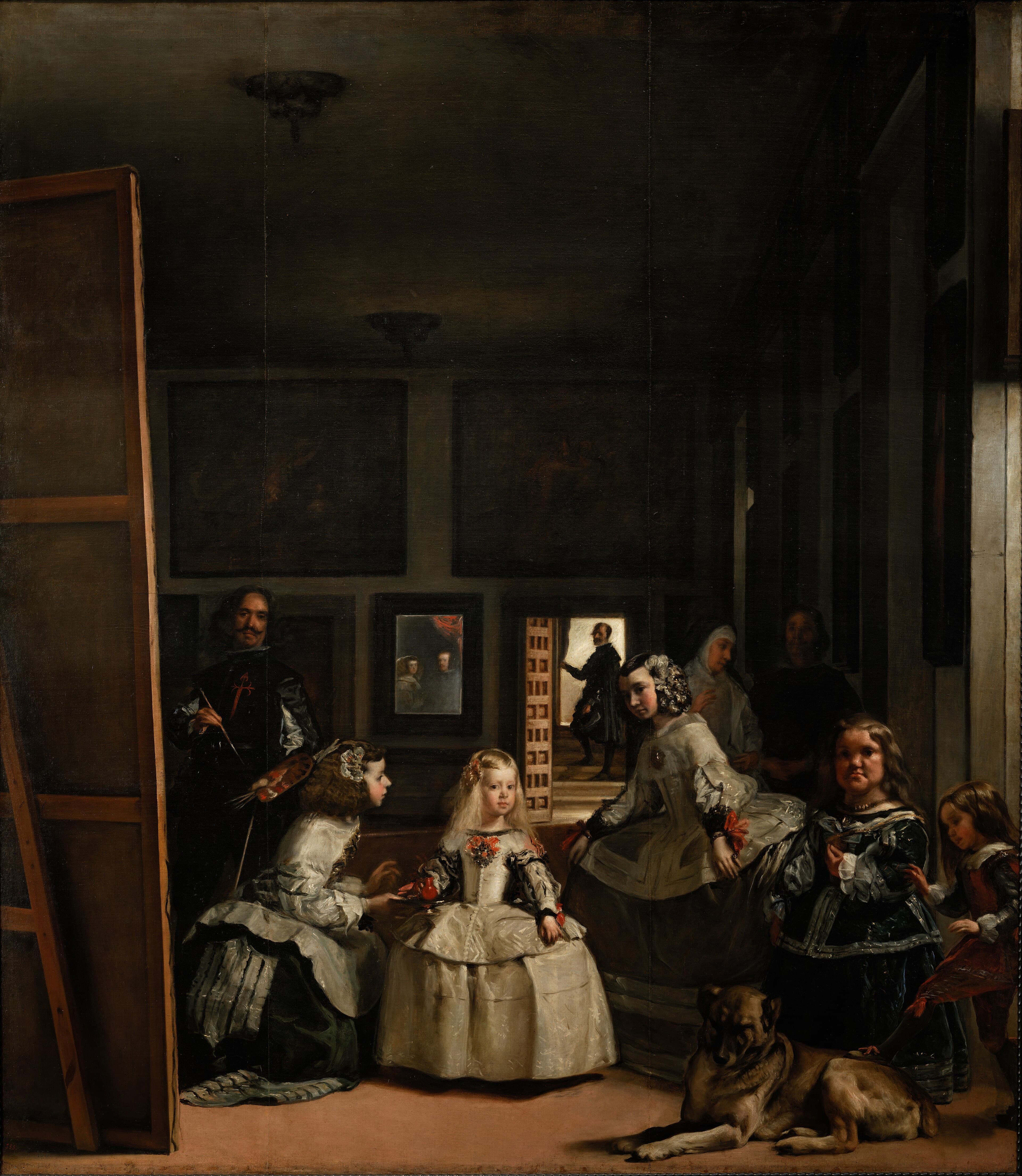
Las Meninas
Diego Velázquez · 1656
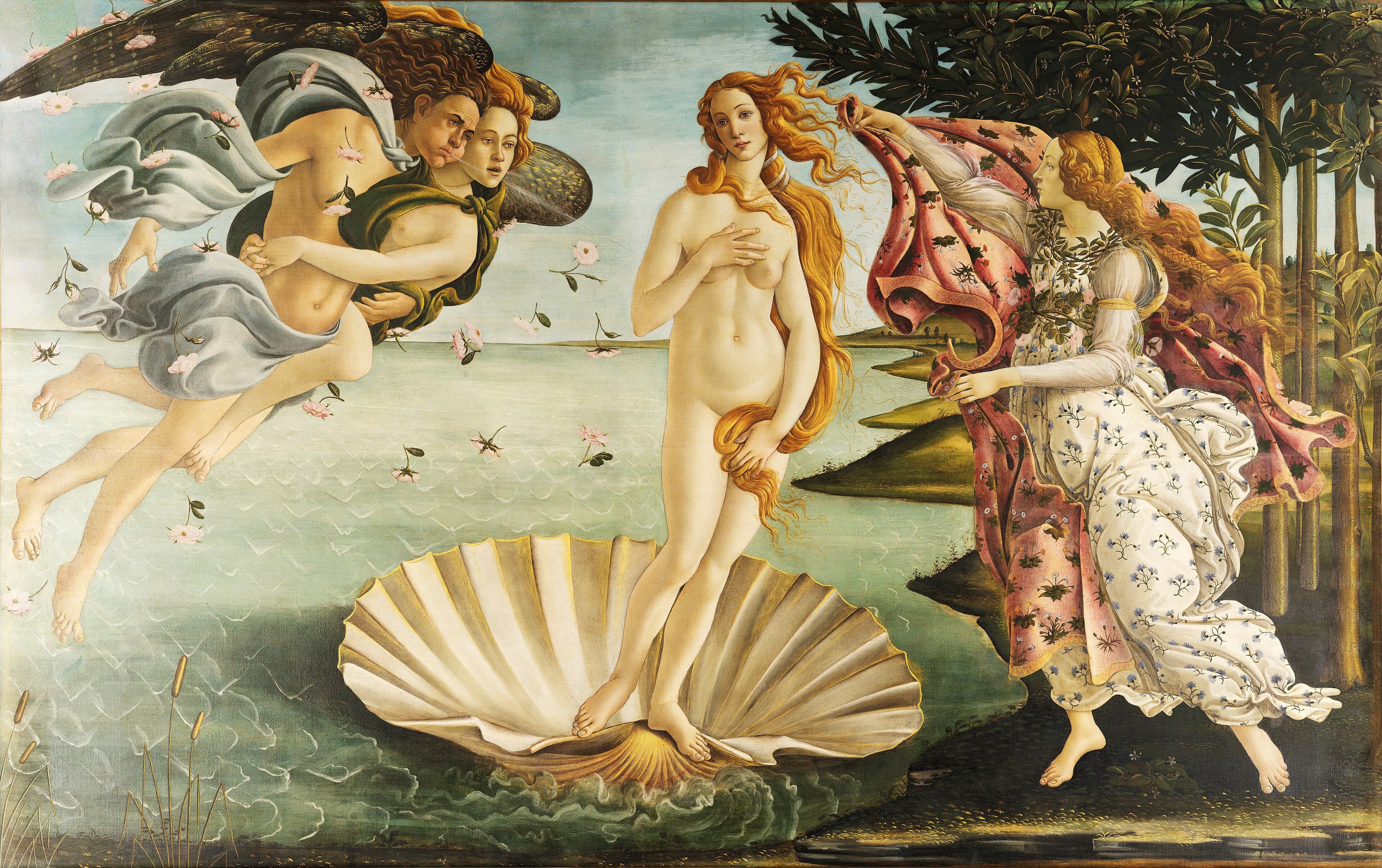
The Birth of Venus
Sandro Botticelli · c. 1484–1486
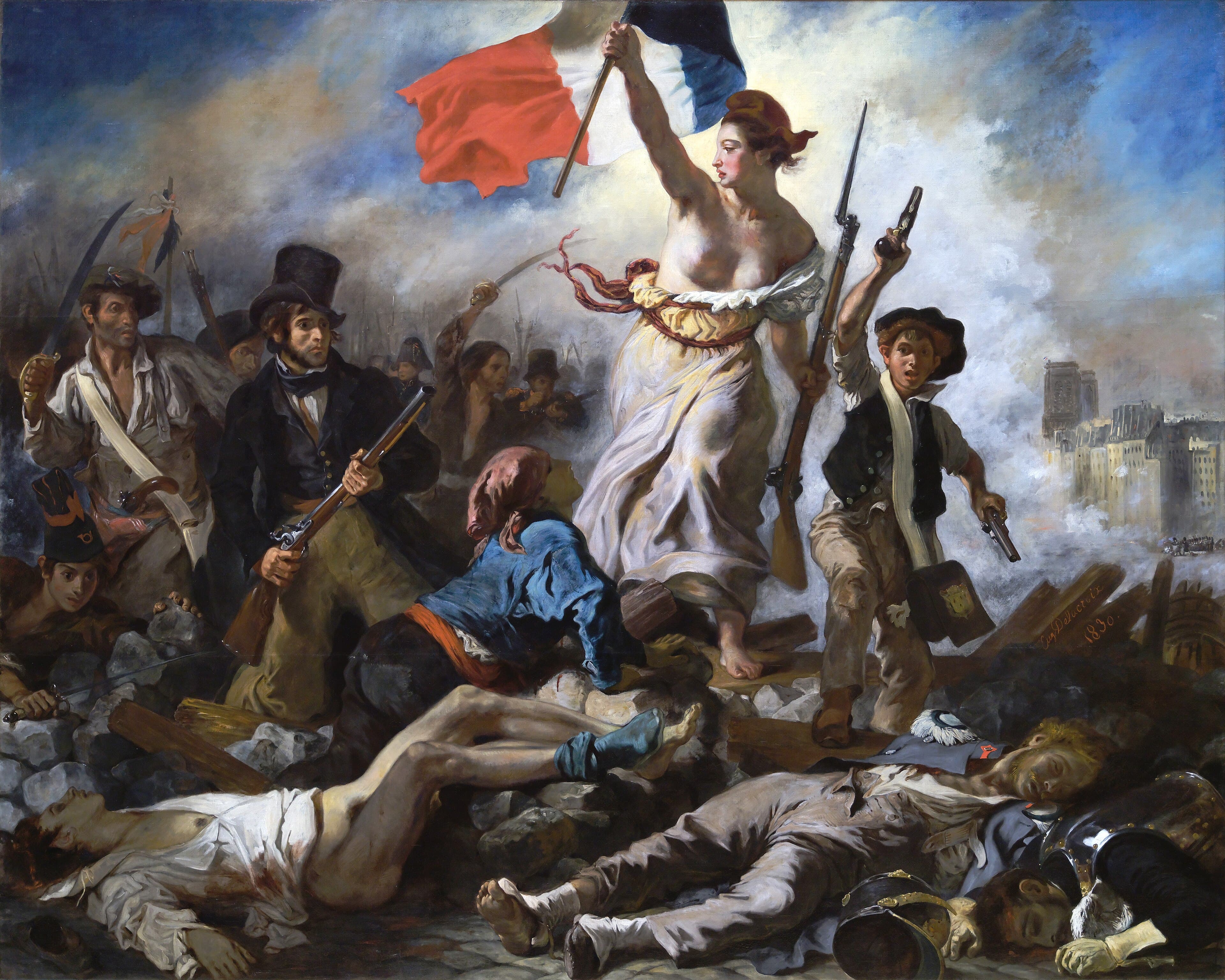
Liberty Leading the People
Eugène Delacroix · 1830
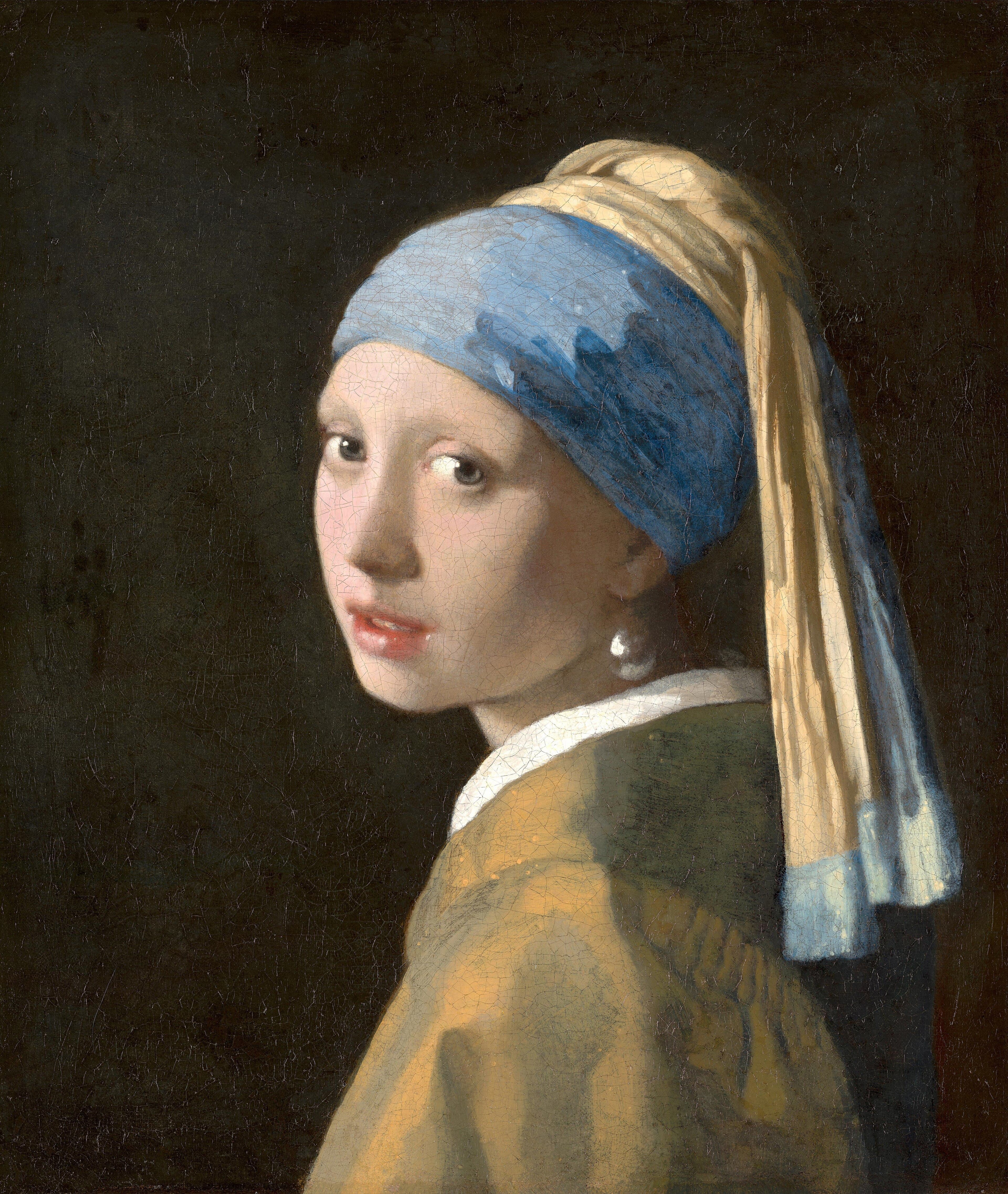
Girl with a Pearl Earring
Johannes Vermeer · c. 1665
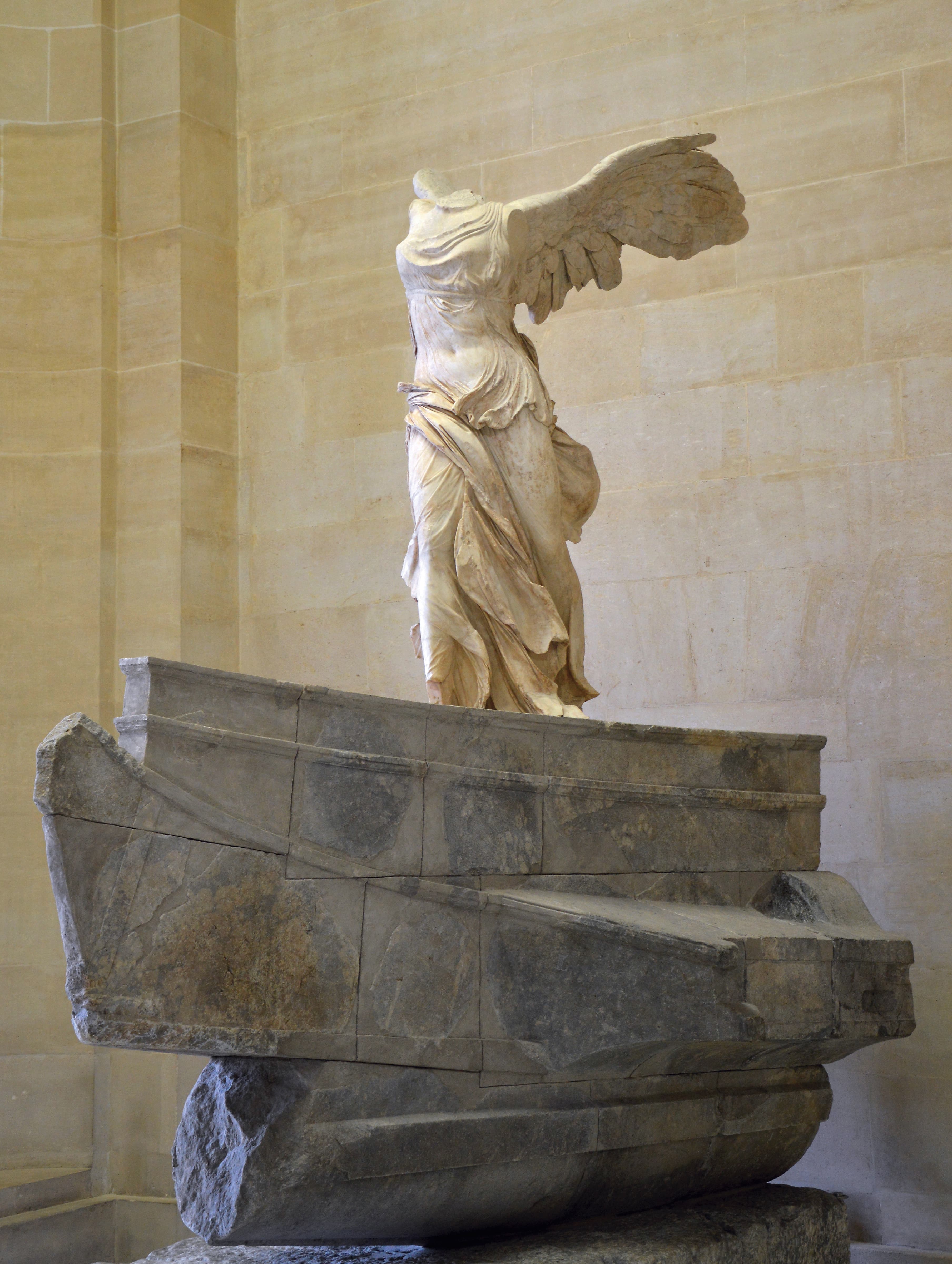
Winged Victory of Samothrace
Artist Unknown · c. 200–190 BC