British · Victorian painting · Pre-Raphaelite influence · Academic art
Sir Frank Dicksee
b. 27 November 1853, London, England — d. 17 October 1928, London, England
Sir Frank Dicksee (1853–1928) was an English Victorian painter of romantic literary and chivalric subjects, such as Romeo and Juliet and La Belle Dame sans Merci, who became President of the Royal Academy in 1924.
2 works in the collection
Works by Sir Frank Dicksee
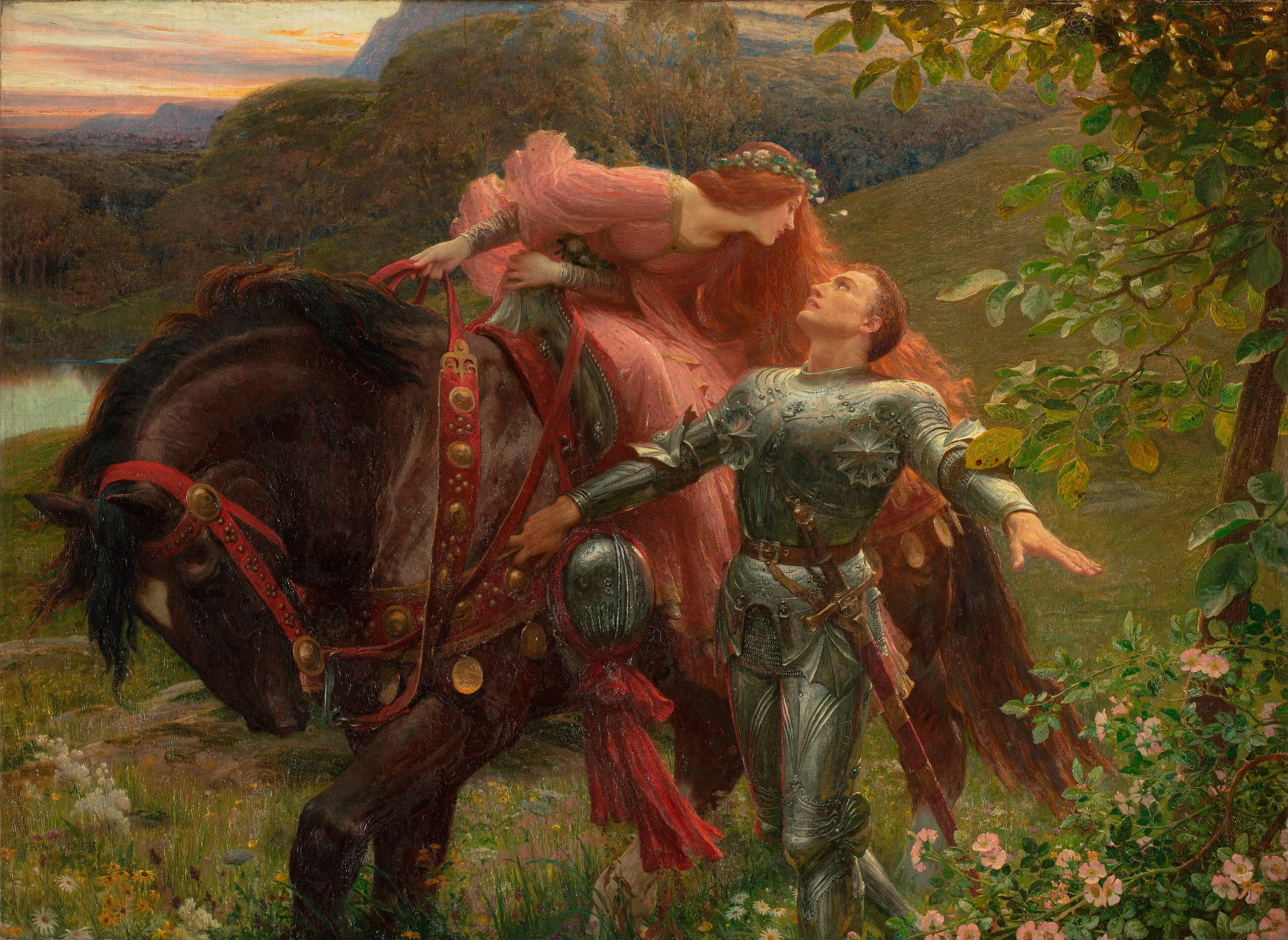
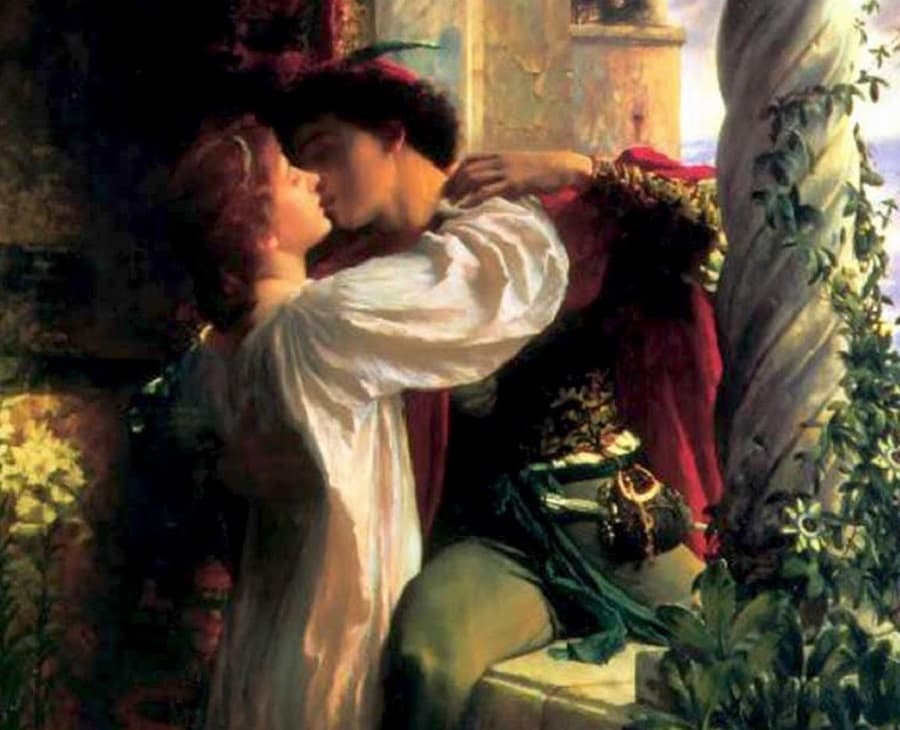
Francis Bernard Dicksee, always known as Frank, was an English painter born in London in 1853 into a family of artists. He specialized in romantic subjects from Shakespeare, Keats and medieval legend, painted with rich color and a polished academic finish, and rose to the highest office in British art as President of the Royal Academy.
Life in brief
Dicksee was trained first by his father, the painter Thomas Francis Dicksee, and then at the Royal Academy Schools, where he won medals. Like many young artists of the 1870s he worked as an illustrator for magazines and books. His Harmony (1877), bought for the nation through the Chantrey Bequest, brought early success. He was elected an Associate of the Royal Academy in 1881 and a full Academician in 1891, became President in 1924 and was knighted in 1925. He never married, and died in London in 1928. In his last years he was an outspoken opponent of modernism.
Style
Dicksee's pictures are lyrical and highly finished, with glowing color and a taste for medieval and Renaissance costume, close in spirit to the later Pre-Raphaelites and to Edward Burne-Jones. Knights, lovers and beautiful women dominate, set in moonlight, twilight or autumn woods.
Key works
Romeo and Juliet (1884, Southampton City Art Gallery) shows the lovers' parting at dawn on Juliet's balcony, eyes closed in their embrace, her arm pulling him close as he prepares to leave. It became one of the best-loved images of the play. La Belle Dame sans Merci (1902, Bristol Museum and Art Gallery) illustrates Keats's ballad of a knight enchanted by a fairy woman. Chivalry (1885) and The Two Crowns (1900, Tate) are among his other well-known paintings.
Where to see his work
Southampton City Art Gallery, Bristol Museum and Art Gallery, Tate Britain and other British public collections hold his major works. See more in The Pre-Raphaelites and the related work of Herbert Thomas Dicksee.
Questions & answers
Who painted Romeo and Juliet in 1884?
The 1884 painting of Romeo and Juliet embracing on the balcony at dawn is by Sir Frank Dicksee. It is in Southampton City Art Gallery.
Who was Frank Dicksee?
Sir Frank Dicksee (1853–1928) was an English Victorian painter of romantic literary and medieval subjects. Son of the painter Thomas Francis Dicksee, he became President of the Royal Academy in 1924 and was knighted in 1925.
What are Frank Dicksee's most famous paintings?
His best-known works include Romeo and Juliet (1884), La Belle Dame sans Merci (1902), Chivalry (1885), The Two Crowns (1900) and Harmony (1877).