Renaissance
St Mark's Clocktower
Gian Paolo Rainieri & Gian Carlo Rainieri, 1496–99
St Mark's Clocktower (Torre dell'Orologio) is the Renaissance clock tower on Piazza San Marco in Venice, built 1496–99. Its astronomical clock, by Gian Paolo and Gian Carlo Rainieri, shows hours, zodiac and moon on a blue-and-gold face.
- Date
- 1496–99
- Medium
- Stone and marble tower; enameled and gilded clock face; bronze figures
- Collection
- Piazza San Marco, Venice, Italy
- Movement
- Renaissance
What you are looking at
The image shows the great clock face on the side of the tower that looks toward the lagoon. A ring of white marble carries the 24 hours of the day in Roman numerals, I to XXIV. Inside it, a dial of deep blue enamel holds the twelve signs of the zodiac in gilded relief: the ram, the bull, the twins, the crab and the rest, each a small sculpted figure. A golden sun on a long pointer travels around the ring to mark the hour. At the center, among fixed gold stars, sit the earth and a small sphere for the moon, which turns to show its phases.
The zodiac signs are original to the 1490s. They move slightly more slowly than the sun pointer, so the clock also tracks the sun's progress through the year.
Who built it
The Venetian Senate commissioned a new public clock in 1493, after the old one had fallen into poor condition. The mechanism was made by a father and son from Reggio Emilia, Gian Paolo and Gian Carlo Rainieri. Work on the tower began in 1496, and the clock was inaugurated on 1 February 1499. The design of the tower is attributed to the architect Mauro Codussi on stylistic grounds, though no document confirms it. The side wings were added in the early 1500s.
The rest of the tower
Above the clock face, a gallery holds a gilded Virgin and Child. On either side, panels show the hour in Roman numerals and the minutes, in five-minute steps, in Arabic numerals. Higher still, the winged lion of Saint Mark, emblem of Venice, stands against a blue field scattered with stars. At the top, two bronze figures known as the Moors, for the dark patina of the metal, strike the hours on a great bell. They were cast in bronze in 1494, and the bell, cast in 1497, is signed by Simeone Campanato.
Twice a year, at Epiphany and Ascension, figures of the three Magi led by an angel emerge from a side door, bow to the Virgin and Child and pass out through the other.
Restoration and visiting
The mechanism has been altered many times, notably by Bartolomeo Ferracina in the 1750s and in the nineteenth century. The most extensive restoration took place between 1998 and 2006. The archway at the tower's base opens onto the Merceria, the main shopping street to the Rialto.
Guided visits climb narrow stairs past the mechanism to the roof terrace and must be booked in advance. For other views of Venice in the catalogue, see Monet's The Palazzo Ducale Seen from San Giorgio Maggiore, The Grand Canal in Venice and Sunset in Venice.
Questions & answers
Where is St Mark's Clocktower?
St Mark's Clocktower (Torre dell'Orologio) stands on the north side of Piazza San Marco in Venice, Italy, at the entrance to the Merceria, the shopping street that runs to the Rialto. It is managed by the Fondazione Musei Civici di Venezia and can be visited on booked guided tours.
Who built St Mark's Clocktower in Venice?
The clock was made by Gian Paolo and Gian Carlo Rainieri, a father and son from Reggio Emilia, and inaugurated in 1499. The tower itself, built from 1496, is attributed to the architect Mauro Codussi on stylistic grounds, though no document names him.
What does the St Mark's clock show?
The main face shows the 24 hours in Roman numerals, with a gold sun pointer marking the time. Inside, the gilded signs of the zodiac turn on a blue enamel field, and at the center a small sphere shows the phases of the moon. Panels higher up give the hour and minutes.
Kindred works
You may also study
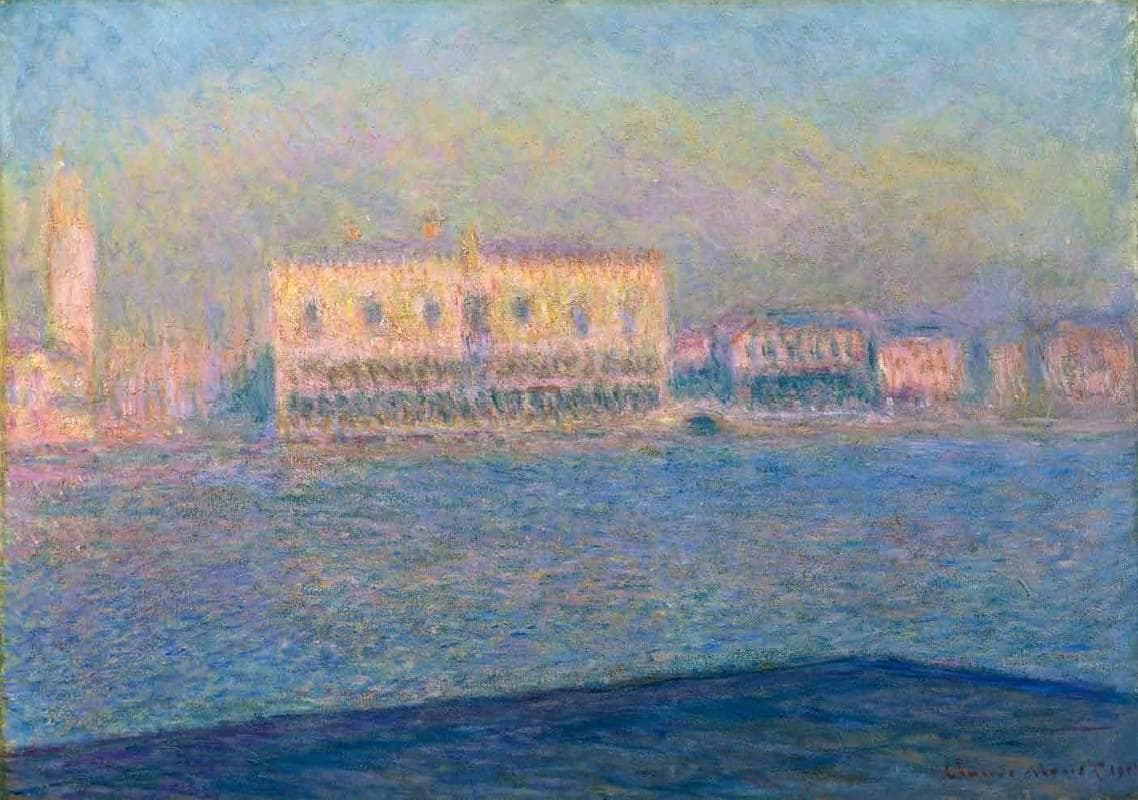
The Palazzo Ducale Seen from San Giorgio Maggiore
Claude Monet · 1908
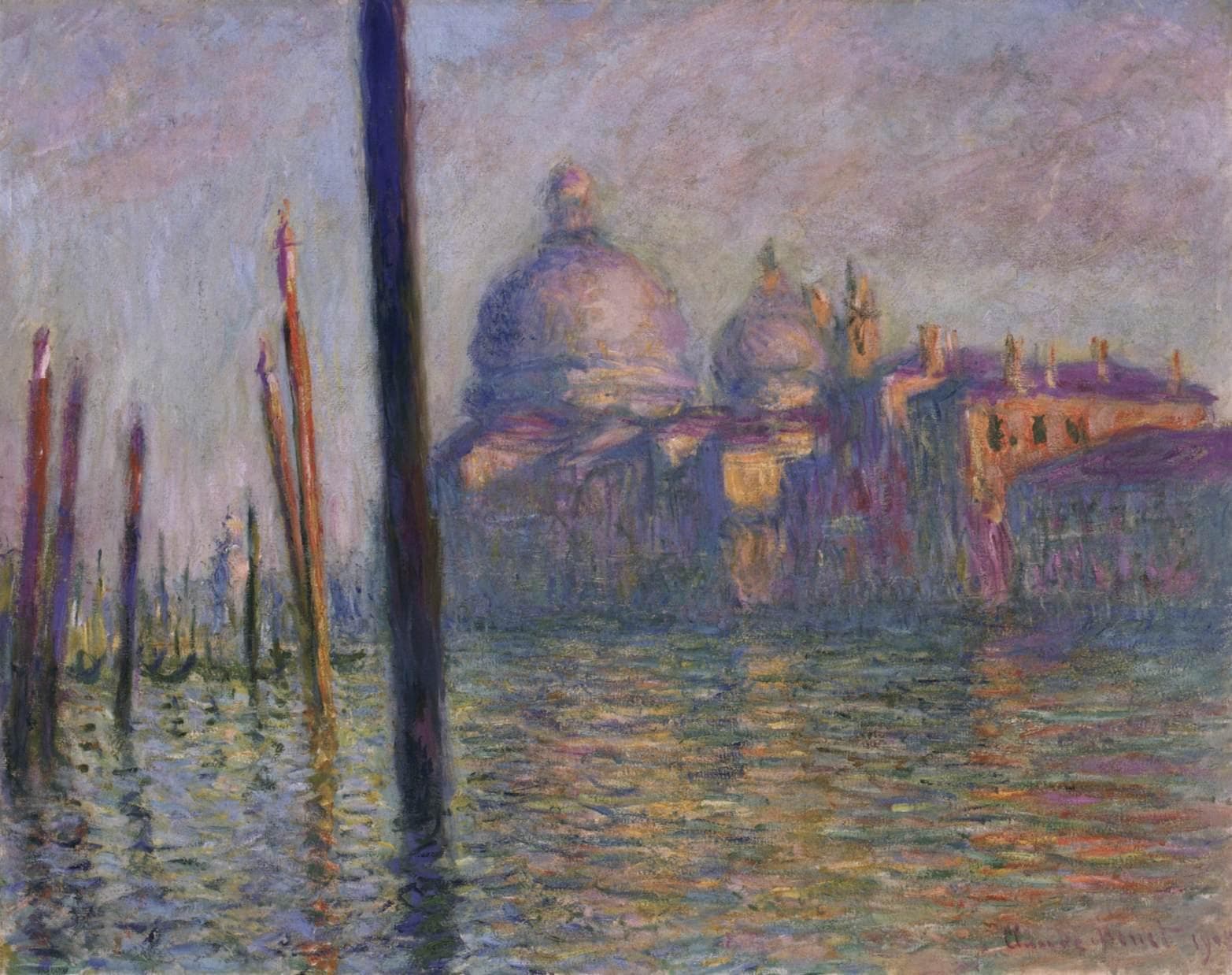
The Grand Canal in Venice
Claude Monet · 1908

Sunset in Venice
Claude Monet · 1908–12
Gondola in Venice
Claude Monet · 1908
Palazzo Contarini
Claude Monet · 1908
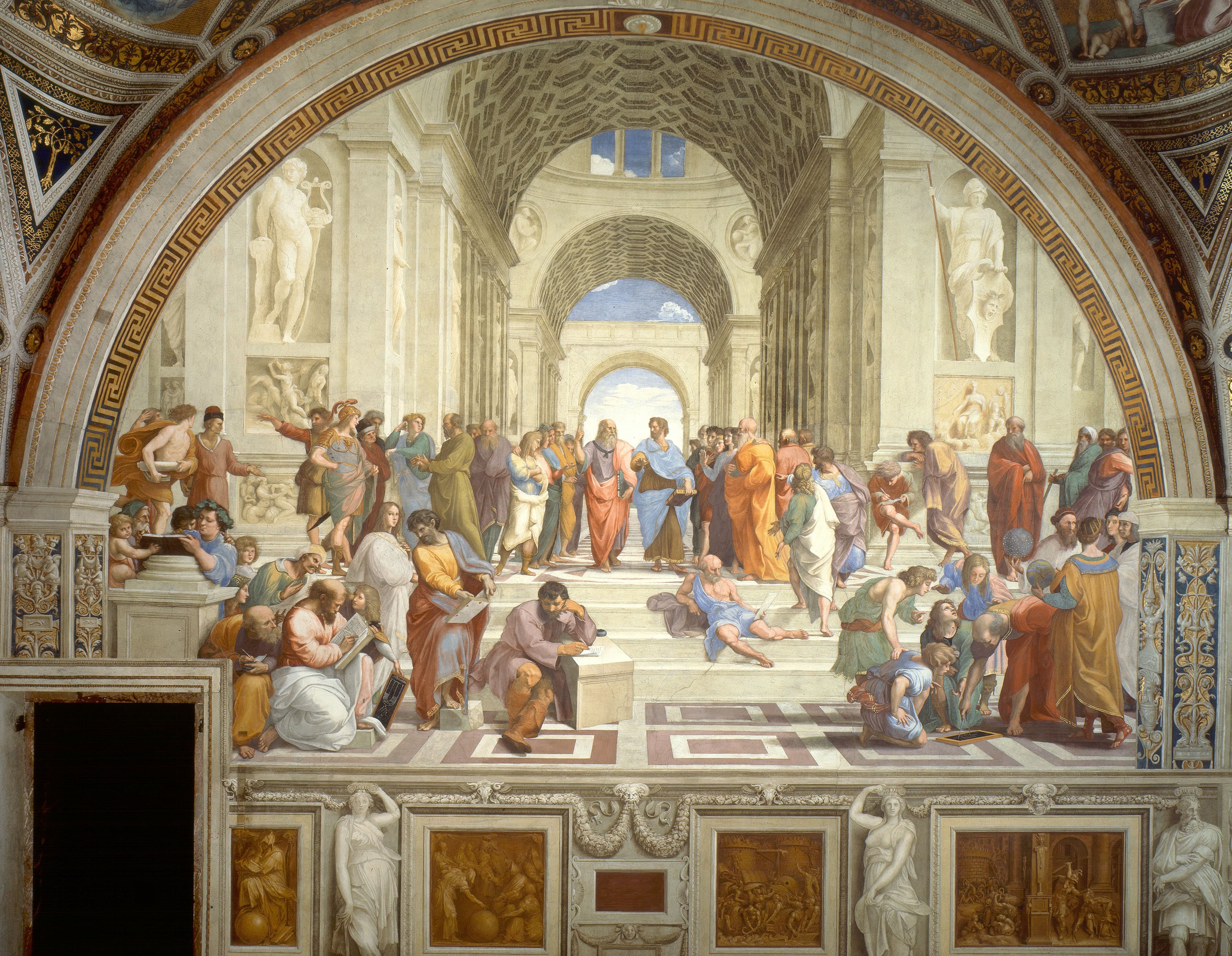
The School of Athens
Raphael · 1509–1511
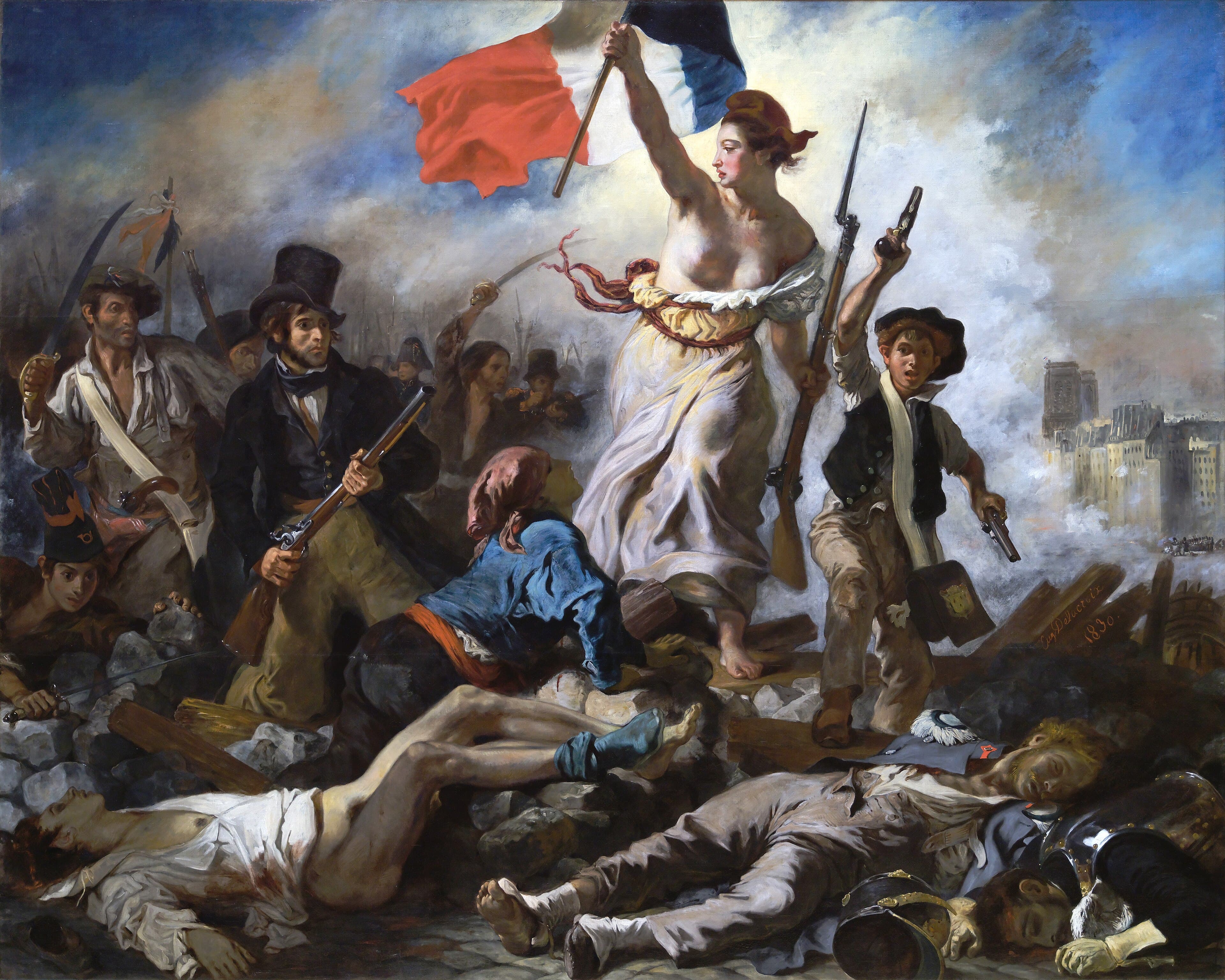
Liberty Leading the People
Eugène Delacroix · 1830
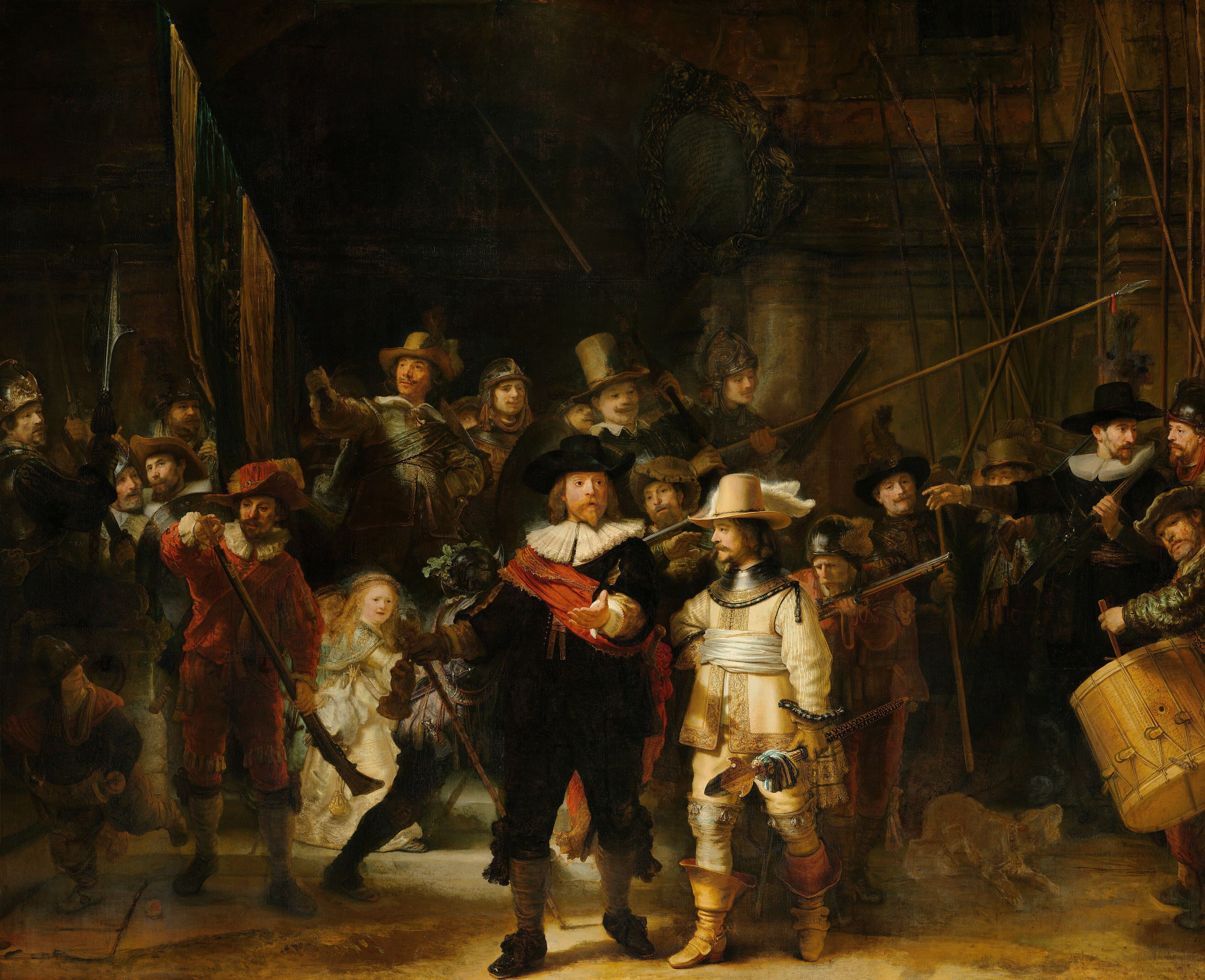
The Night Watch
Rembrandt · 1642