Neoclassicism
The Lion of Lucerne
Bertel Thorvaldsen & Lukas Ahorn, 1820–21
The Lion of Lucerne is a dying lion carved into a sandstone cliff in Lucerne, Switzerland, in 1820–21 to designs by Bertel Thorvaldsen. It commemorates the Swiss Guards killed at the Tuileries in Paris in 1792.
- Artist
- Bertel Thorvaldsen & Lukas Ahorn
- Date
- 1820–21
- Medium
- Rock relief carved in sandstone
- Dimensions
- c. 6 × 10 m (lion)
- Collection
- Löwenplatz, Lucerne, Switzerland
- Movement
- Neoclassicism
The Lion of Lucerne, or Löwendenkmal, is a monument carved directly into the face of a former sandstone quarry in Lucerne, Switzerland. Designed by the Danish sculptor Bertel Thorvaldsen and carved in 1820–21 by the stonemason Lukas Ahorn of Konstanz, it commemorates the Swiss Guards who died defending the Tuileries Palace in Paris on 10 August 1792, during the French Revolution. Mark Twain, who visited in the 1870s, called it the most mournful and moving piece of stone in the world.
What you are looking at
A huge lion, about ten meters long, lies in a shallow cave cut into the vertical rock face. It is dying. A broken spear shaft juts from its side, and its great maned head rests on its forepaw, eyes half closed, mouth slack. One paw lies protectively over a shield carved with the fleur-de-lis of the French Bourbon monarchy; beside it, a second shield bears the Swiss cross.
Above the cave, the Latin inscription HELVETIORUM FIDEI AC VIRTUTI, "to the loyalty and bravery of the Swiss," is cut into the rock. Below, panels list the names of the officers and give the numbers of men who died and survived. In front of the cliff, a still pond reflects the carving, framed by trees, making the site feel more like a grotto or a grave than a public square.
The story
When revolutionaries stormed the Tuileries on 10 August 1792, King Louis XVI's Swiss Guards defended the palace. Several hundred were killed in the fighting or massacred afterward. One of their officers, Karl Pfyffer von Altishofen, was on leave in his native Lucerne at the time. Years later he led the campaign to raise money for a memorial, and he chose the site, an old quarry on his own land.
Thorvaldsen, then working in Rome and one of the most famous sculptors in Europe, made the design and a model, but he did not carve the monument himself. Ahorn executed it in the cliff. The monument was dedicated in 1821.
Meaning
The lion stands for the guards: courage and loyalty unto death, faithful to a foreign king. The choice of a wounded animal rather than a human hero gives the monument its pathos. Its message was also political, honoring the old monarchical order at a time of conservative restoration in Europe, which made it controversial among Swiss liberals.
Where to see it
The monument is in a small park on the Denkmalstrasse in central Lucerne, a short walk from the old town, and is open at all hours. It is one of the most visited sights in Switzerland. See also our famous sculptures, Victory: Lion Choking a Large Python and the Bertel Thorvaldsen page.
Questions & answers
What does the Lion of Lucerne commemorate?
It commemorates the Swiss Guards killed on 10 August 1792, when revolutionaries stormed the Tuileries Palace in Paris during the French Revolution. The guards were defending King Louis XVI. The dying lion, with a spear in its side, symbolizes their loyalty and courage.
Who made the Lion of Lucerne?
It was designed by the Danish Neoclassical sculptor Bertel Thorvaldsen and carved into the rock in 1820–21 by Lukas Ahorn, a stonemason from Konstanz. The project was initiated by Karl Pfyffer von Altishofen, a Swiss Guard officer who had been on leave in Lucerne in 1792.
What did Mark Twain say about the Lion of Lucerne?
In his travel book A Tramp Abroad (1880), Mark Twain described the Lion of Lucerne as the most mournful and moving piece of stone in the world. The phrase is still quoted at the site and in nearly every guide to Lucerne.
Kindred works
You may also study
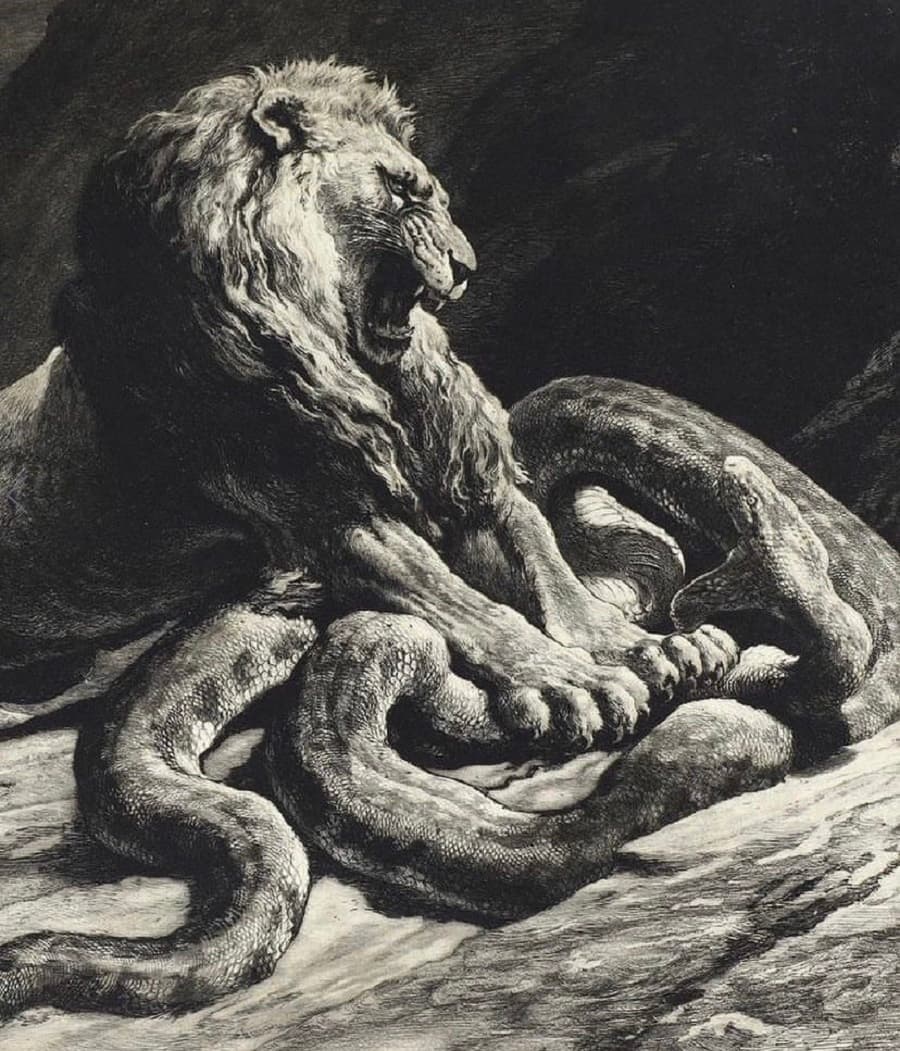
Victory (Lion Attacking a Python)
Herbert Thomas Dicksee · 1919
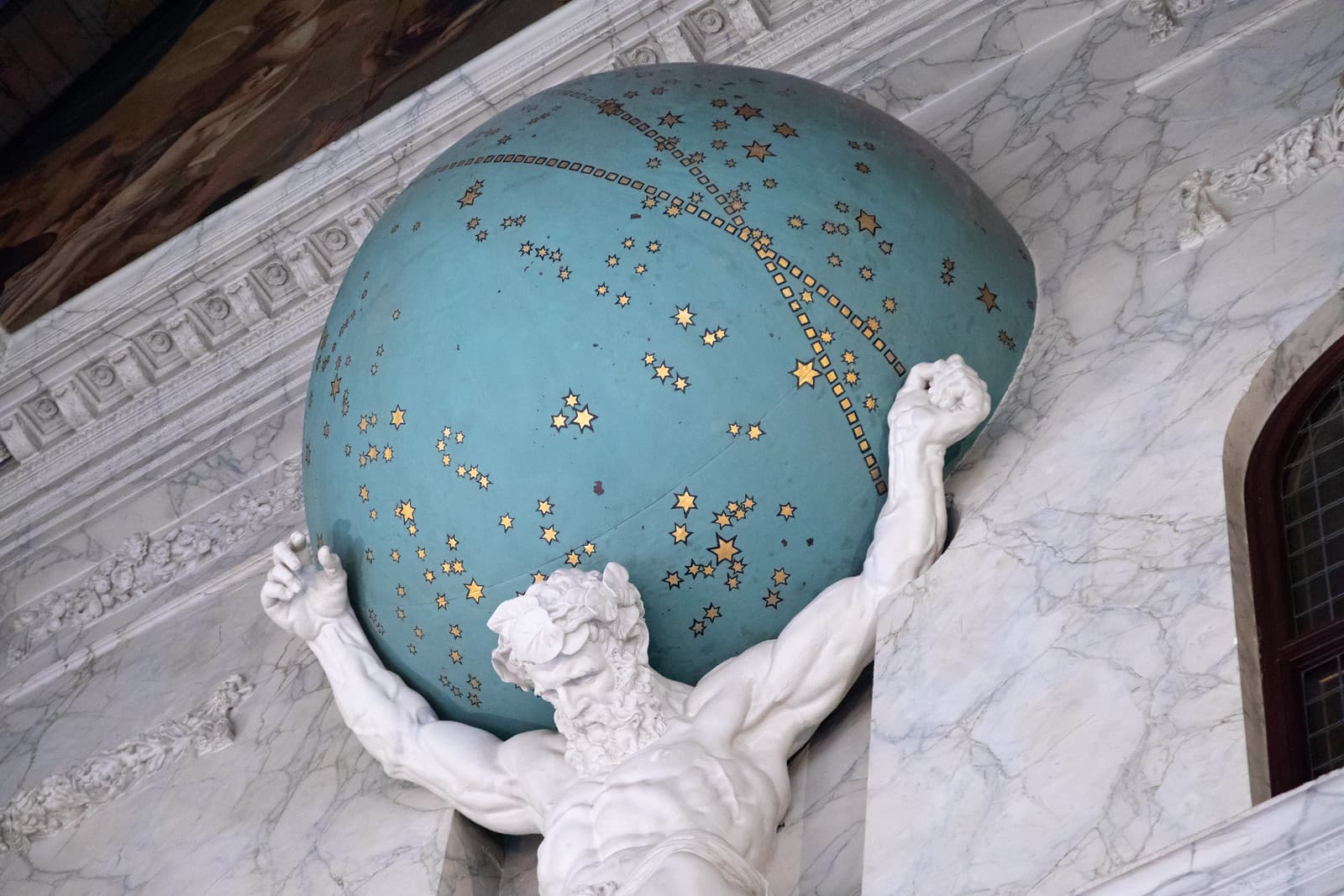
Atlas, Royal Palace Amsterdam
Artus Quellinus & Jacob van Campen & Daniël Stalpaert · c. 1662–63
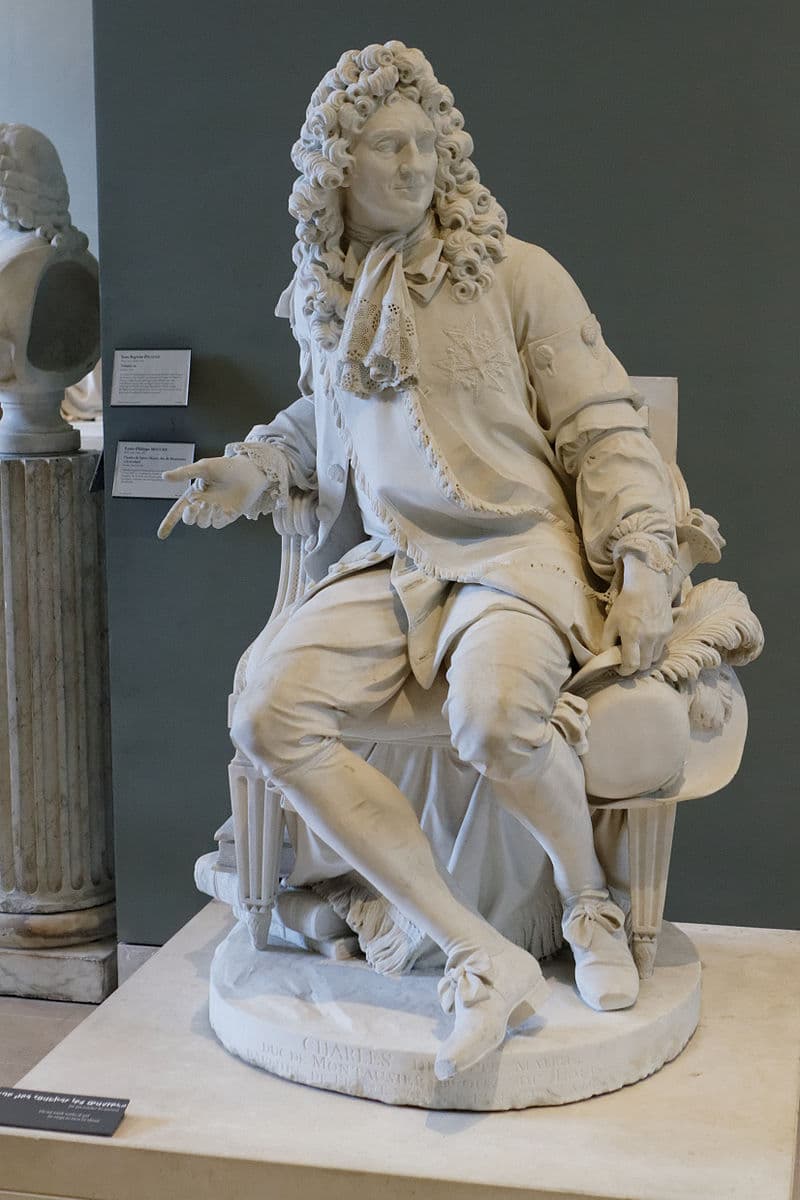
Charles de Sainte-Maure, Duke of Montausier
Louis-Philippe Mouchy · 1781–89
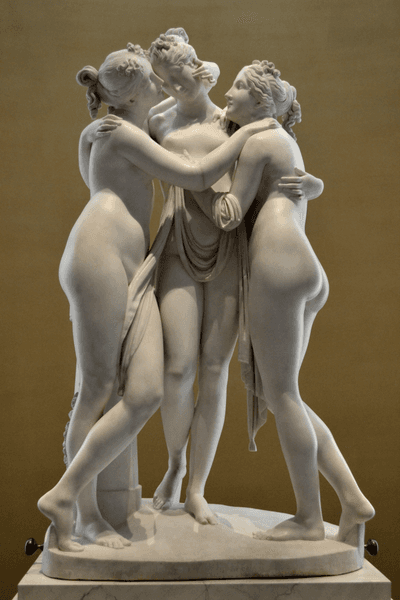
The Three Graces
Antonio Canova · 1814–17

The Scream
Edvard Munch · 1893

Saturn Devouring His Son
Francisco Goya · c. 1819–1823

Ophelia
John Everett Millais · 1851–52
Las Meninas
Diego Velázquez · 1656