Abstract Expressionism
Guardians of the Secret
Jackson Pollock, 1943
Guardians of the Secret is a 1943 painting by Jackson Pollock in which two totem-like figures flank a central panel of cryptic marks. Shown at his first solo exhibition, it is in the San Francisco Museum of Modern Art.
- Artist
- Jackson Pollock
- Date
- 1943
- Medium
- Oil on canvas
- Dimensions
- 122.9 × 191.5 cm
- Collection
- San Francisco Museum of Modern Art (SFMOMA), San Francisco, United States
- Movement
- Abstract Expressionism
Guardians of the Secret is a large early painting by Jackson Pollock, made in New York in 1943, four years before his first drip paintings. It appeared in his first solo exhibition, at Peggy Guggenheim's gallery Art of This Century in November 1943, and was bought by the San Francisco Museum of Art (now SFMOMA) in 1945, making it one of the first Pollocks to enter a museum.
What you are looking at
The canvas, 122.9 by 191.5 centimeters, is organized around a pale rectangle in the center, filled with a dense scribble of black, yellow, red and blue marks, some like letters or numbers, some like stick figures, fish or arrows. It looks like a tablet, a table top or a chest whose contents we cannot read.
On either side stand two tall, vertical figures painted in dark blues, blacks, yellows and white. They are the "guardians" of the title: stiff, totem-like presences with mask-like heads, set like sentinels at the edges of the secret. Along the bottom, below the central panel, lies an animal, usually read as a dog or wolf, its head turned toward the right, its body made of white and black slashes. The top band is crowded with smaller signs: masks, an eye, a fish shape and a flaring red form.
The paint is thick and urgent, with drips and spatters already appearing among the brushstrokes.
Sources and meaning
Pollock never explained the painting, but historians point to several sources. Between 1939 and 1941 he was in Jungian psychoanalysis, and his drawings from those sessions are full of archetypal figures; the idea of guardians protecting a hidden content echoes Jung's ideas about the unconscious. He also admired Picasso and the Surrealists, whose automatic drawing he adapted.
Native American art was another source. Pollock was born in Cody, Wyoming, and grew up in Arizona and California, and in 1941 he visited the Museum of Modern Art's exhibition of Native American art, where Navajo artists demonstrated sand painting. The historian W. Jackson Rushing has argued that this ritual practice, in which an image is made on the ground as part of a healing ceremony, shaped Pollock's later decision to paint on canvas laid on the floor. Such readings are interpretations, not statements by the artist.
Why it matters
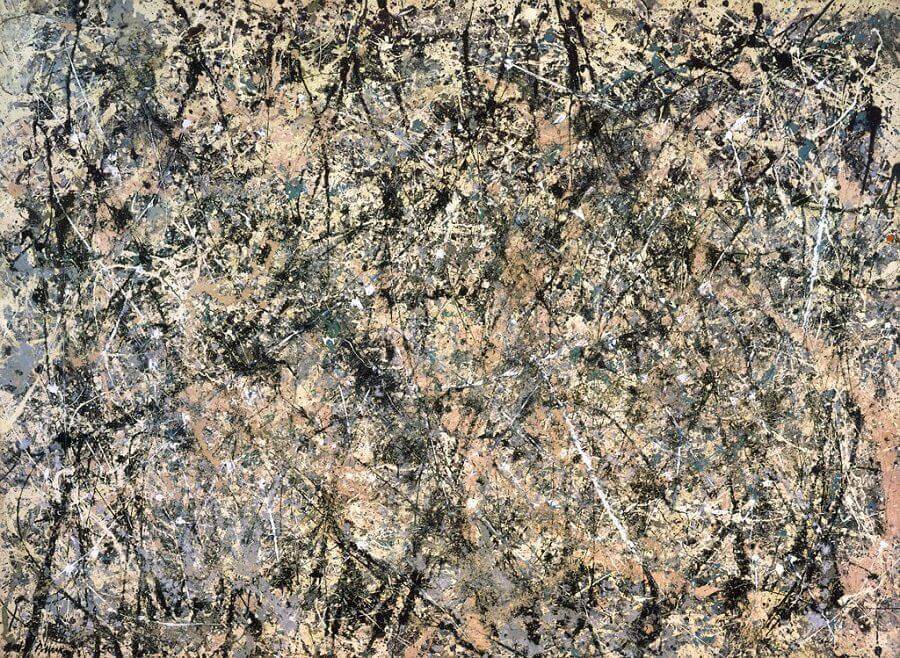
The painting sits at the hinge of Pollock's career: still built around figures and symbols, but already moving toward the all-over field of marks that fills the central panel. A few years later, that field would take over the whole canvas, as in Number 1 (Lavender Mist).
Where to see it
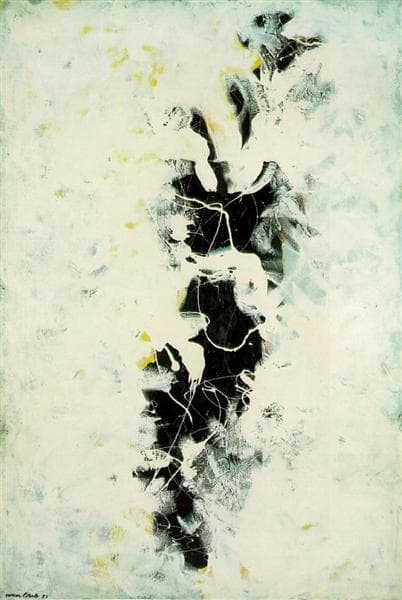
Guardians of the Secret is in the collection of SFMOMA, San Francisco. See also Pollock's The Deep and his page as Jackson Pollock.
Questions & answers
Where is Guardians of the Secret by Jackson Pollock?
It is in the San Francisco Museum of Modern Art, which bought it in 1945, two years after Pollock painted it. That made it one of the first Pollock paintings in any museum. It was first shown at his solo exhibition at Peggy Guggenheim's Art of This Century gallery in New York in 1943.
What is the meaning of Guardians of the Secret?
Pollock did not explain it. The two vertical figures guard a central panel of unreadable signs, with an animal lying below. Historians connect the imagery to his Jungian analysis, to Picasso and Surrealism, and to Native American art, which he studied in New York.
Is Guardians of the Secret a drip painting?
Not yet. It was painted in 1943 with brushes on an upright canvas, and still uses figures and symbols. But drips and spatters already appear, and the central field of marks anticipates the all-over poured paintings Pollock began in 1947.
More by the artist
Jackson Pollock
Kindred works
You may also study
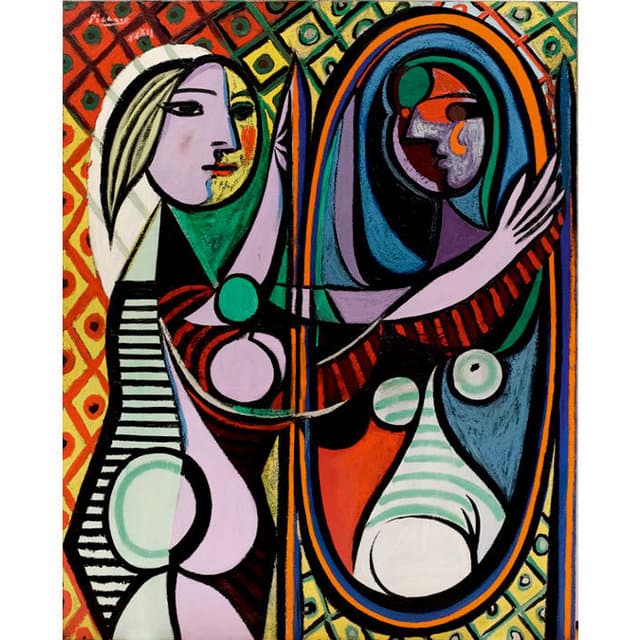
Girl before a Mirror
Pablo Picasso · 1932
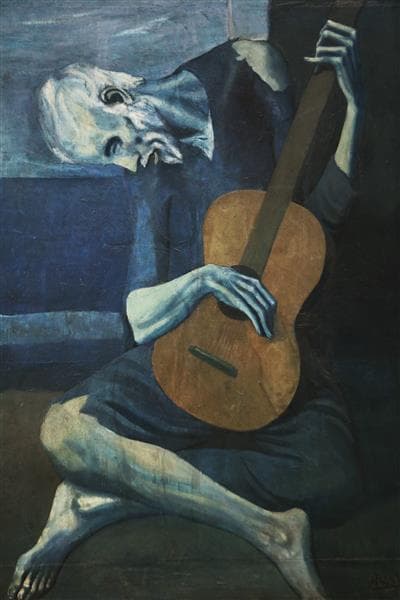
The Old Guitarist
Pablo Picasso · 1903–04

Venus de Milo
Alexandros of Antioch · c. 150–125 BC
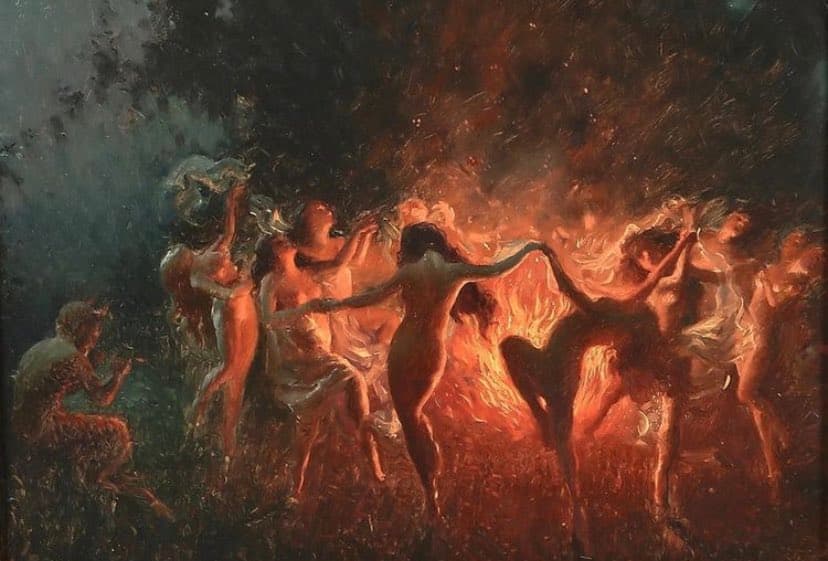
Nymphs Dancing to Pan's Flute
Joseph Tomanek

The Scream
Edvard Munch · 1893

Saturn Devouring His Son
Francisco Goya · c. 1819–1823
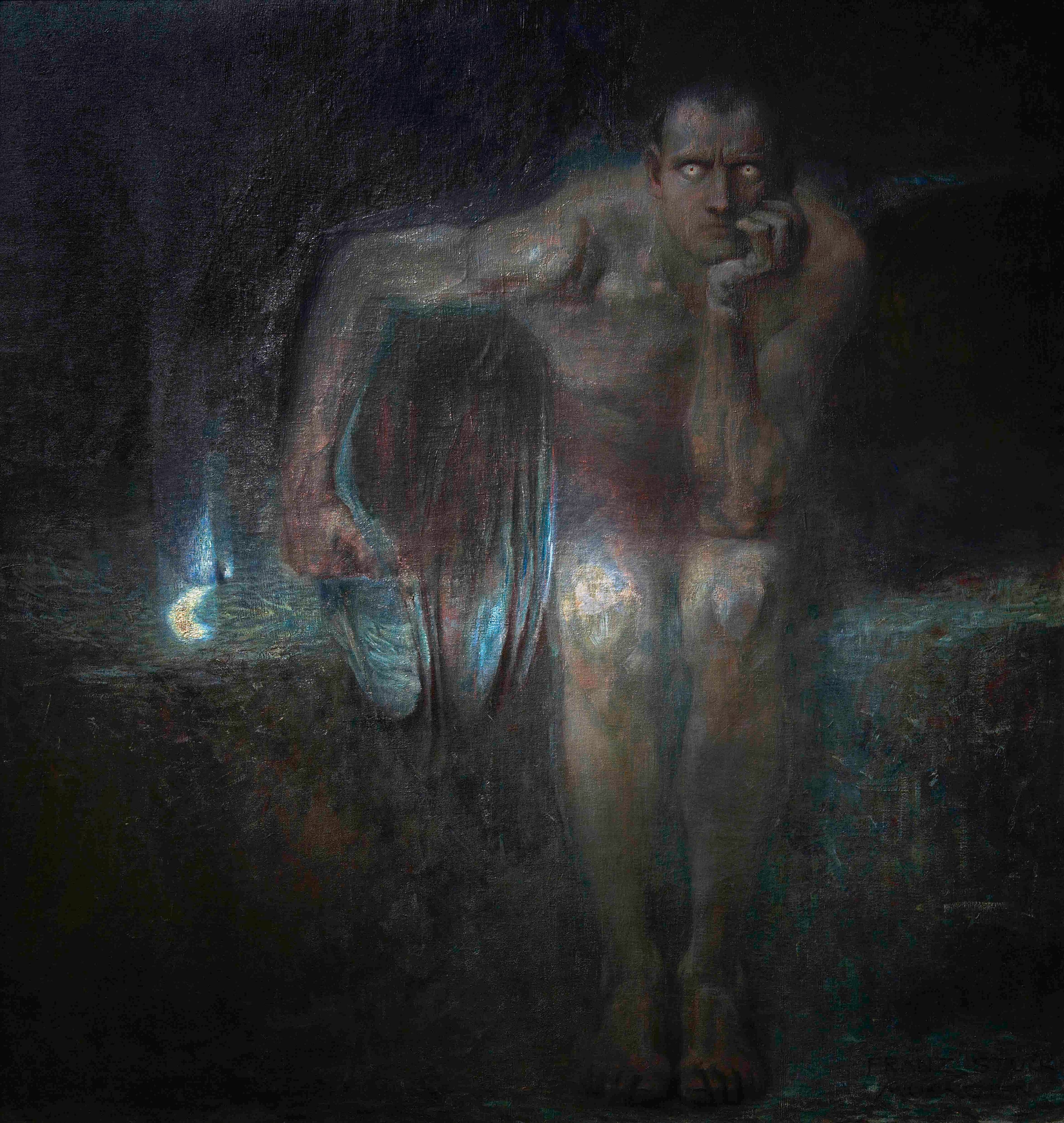
Lucifer
Franz von Stuck · 1890
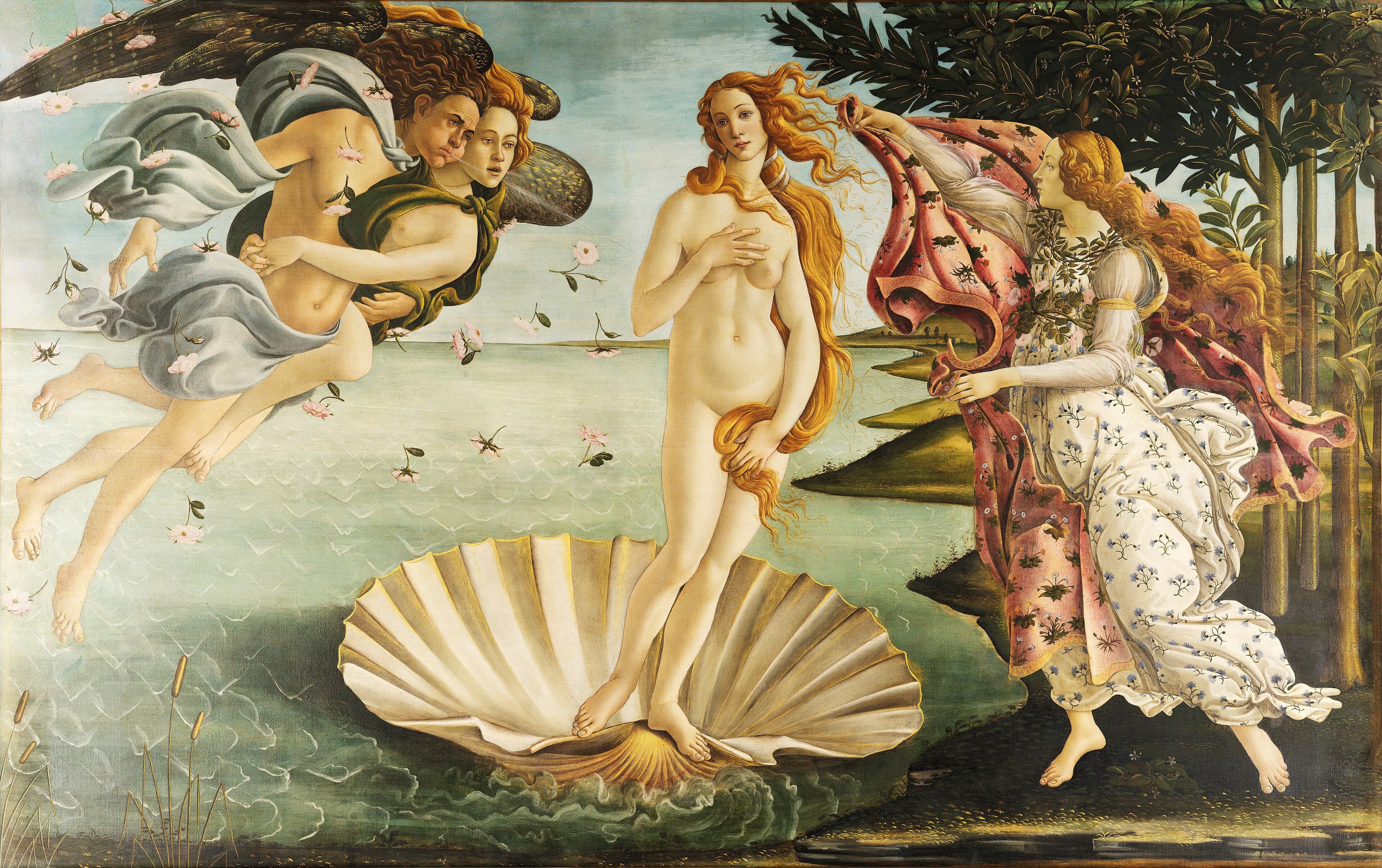
The Birth of Venus
Sandro Botticelli · c. 1484–1486