Contemporary
Talking Without Thinking
Jonathan Horowitz, 2000
Talking Without Thinking is a 2000 sound work by Jonathan Horowitz, made for S.M.A.K.'s Over the Edges exhibition in Ghent: each weekday he recorded himself talking in New York and emailed it to be played in a city bandstand.
- Artist
- Jonathan Horowitz
- Date
- 2000
- Medium
- Sound installation: daily recordings played in a public bandstand, with painted sign
- Collection
- Ghent (temporary installation for Over the Edges, S.M.A.K.), Ghent, Belgium
- Movement
- Contemporary
- The City
What you are looking at
A red sign hangs inside an ornate nineteenth-century bandstand, framed by cast-iron columns, scrolling railings and a ring of globe lamps. In yellow and white lettering it sets out the rules of the piece: each weekday for the duration of the "Over the Edges" exhibition, the artist will record himself talking for as long as he can; after each session he will email the unedited recording to Ghent, where it will play continuously in this kiosk the following day; at weekends the whole week's recordings will play in sequence. It is signed "Jonathan Horowitz, new york city."
The sign is the only visible part of the work. The rest was sound.
The project
Jonathan Horowitz, an American artist born in New York in 1966, made Talking Without Thinking for Over the Edges, an exhibition organized in 2000 by S.M.A.K., the Stedelijk Museum voor Actuele Kunst in Ghent. Instead of using the museum's galleries, the exhibition placed works by dozens of international artists at street corners and in public spaces around the city. Horowitz chose a bandstand, a structure built for public performance, and filled it with the least performed sound imaginable: one man's unrehearsed, unedited monologue, piped in from across the Atlantic a day late.
What does it mean?
The title is a joke and a method. Horowitz set himself to talk without preparing, so the recordings would capture whatever came out: opinions, digressions, silences. Played in a civic space meant for brass bands and speeches, the stream of private chatter becomes a kind of public broadcast. The project also depended on email, still new for most people in 2000, and its one-day delay made the distance between New York and Ghent audible.
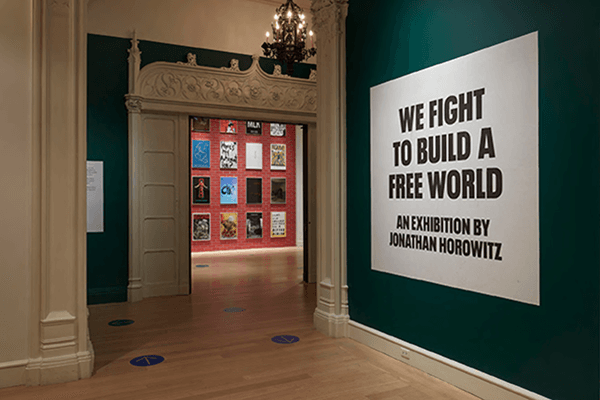
Much of Horowitz's work deals with mass media, celebrity and politics, often with deadpan humor, from his political posters such as We Fight to Build a Free World to Hillary Clinton is a Person Too. Talking Without Thinking turns that attention on himself: the artist as an endless talk-radio host with an audience of passers-by.
Where to see it
The installation was temporary and ran only for the duration of Over the Edges. Some descriptions of the work, including earlier versions of this page, have confused it with other Horowitz projects; the sign itself is the best record of what it was. See more on the Jonathan Horowitz page.
Questions & answers
What was Talking Without Thinking by Jonathan Horowitz?
It was a sound installation for S.M.A.K.'s 2000 exhibition Over the Edges in Ghent. Each weekday Horowitz recorded himself talking for as long as he could in New York, emailed the unedited recording to Ghent, and it played the next day in a public bandstand.
Where was Talking Without Thinking shown?
It was installed in an ornate cast-iron bandstand in Ghent, Belgium, as part of Over the Edges, a 2000 exhibition by the Stedelijk Museum voor Actuele Kunst (S.M.A.K.) that placed artworks in public spaces around the city. It was temporary, not a permanent display.
Who is Jonathan Horowitz?
Jonathan Horowitz is an American artist, born in 1966 and based in New York, whose work uses video, sound, painting and installation to address mass media, celebrity, consumer culture and politics, often with a deadpan sense of humor.
More by the artist
Jonathan Horowitz

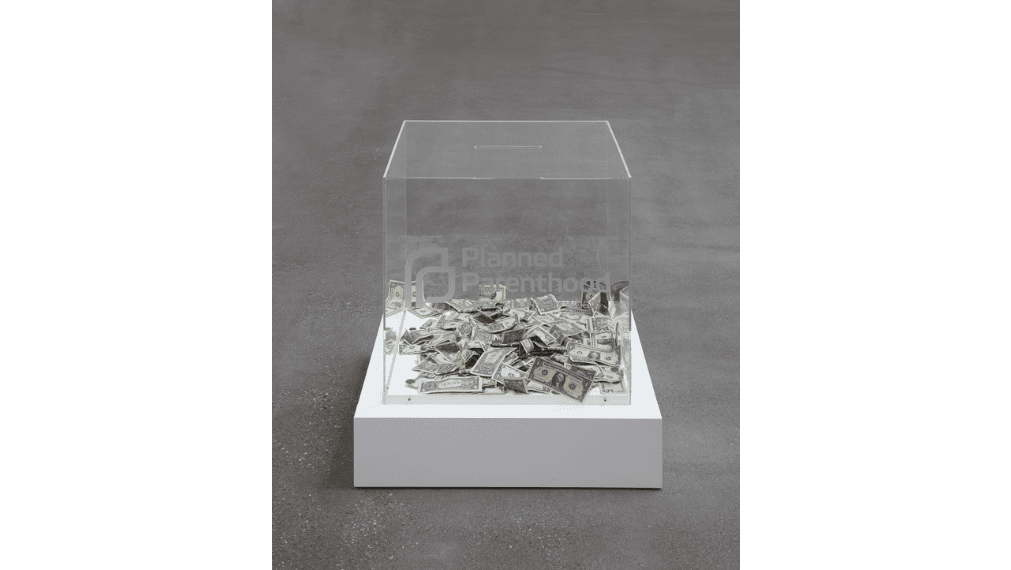
Kindred works
You may also study
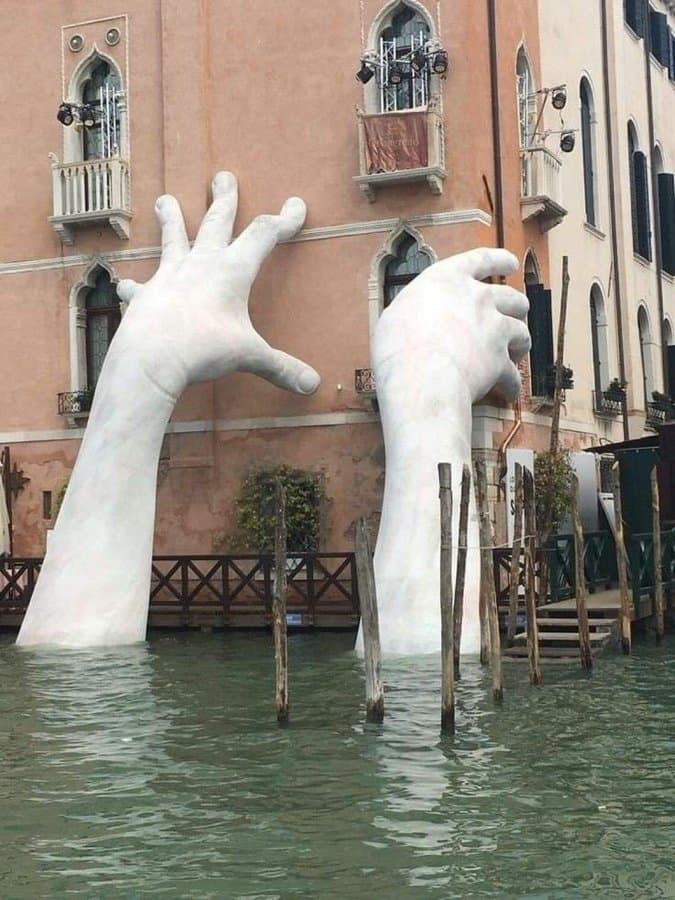
Support
Lorenzo Quinn · 2017
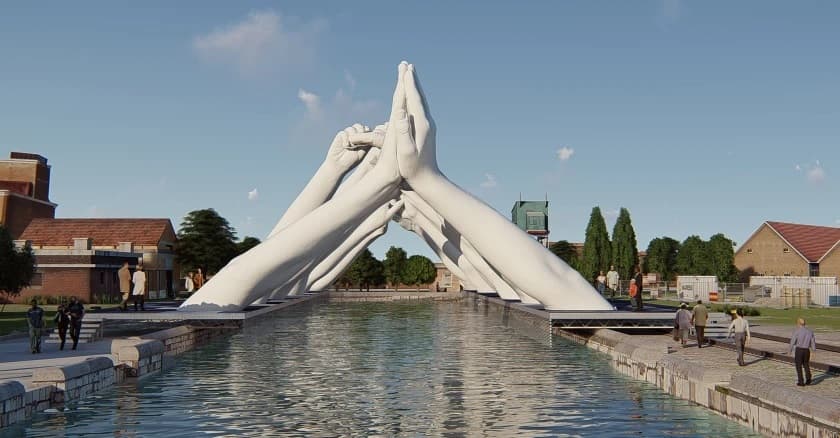
Building Bridges
Lorenzo Quinn · 2019
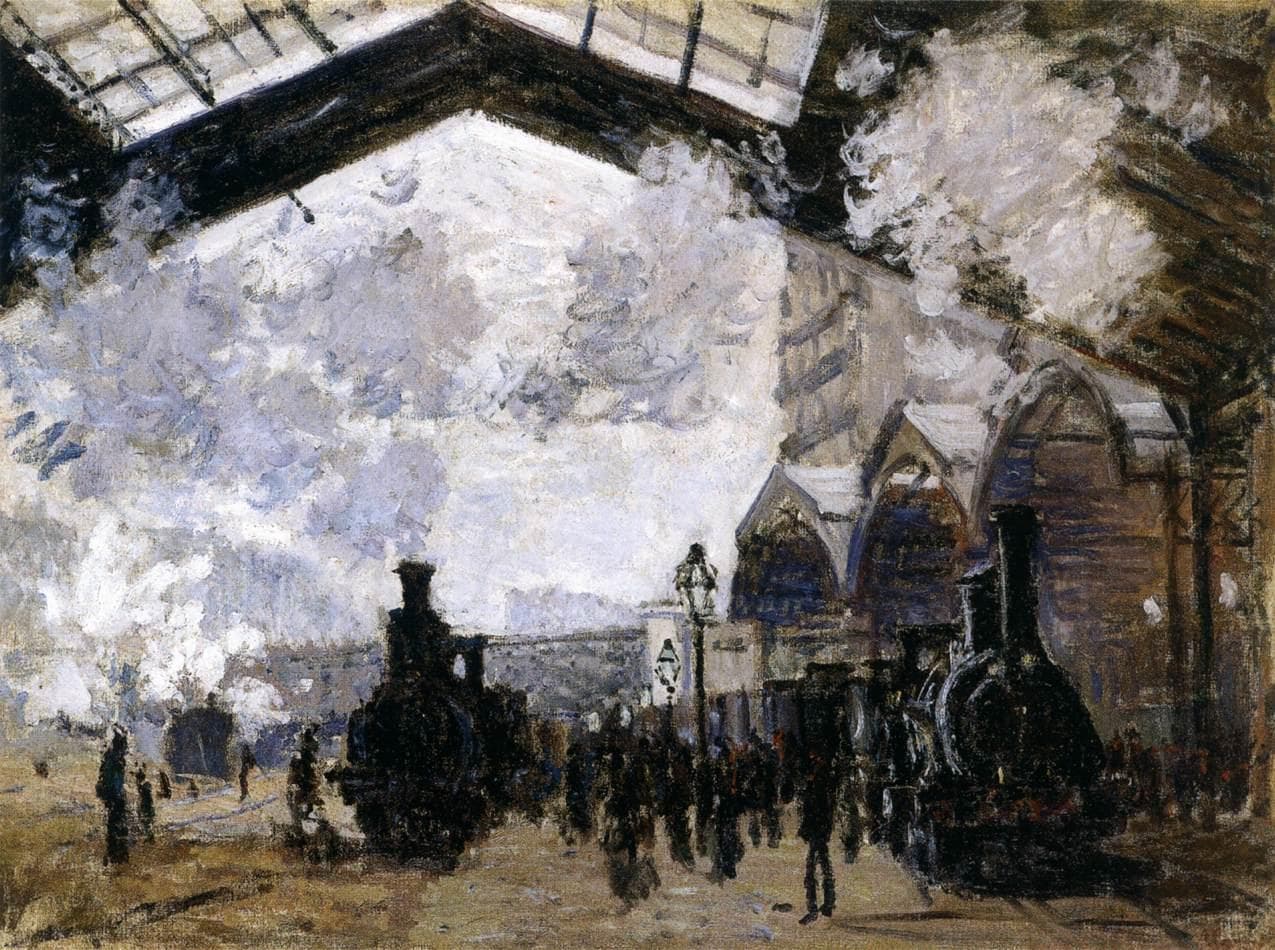
The Gare Saint-Lazare
Claude Monet · 1877
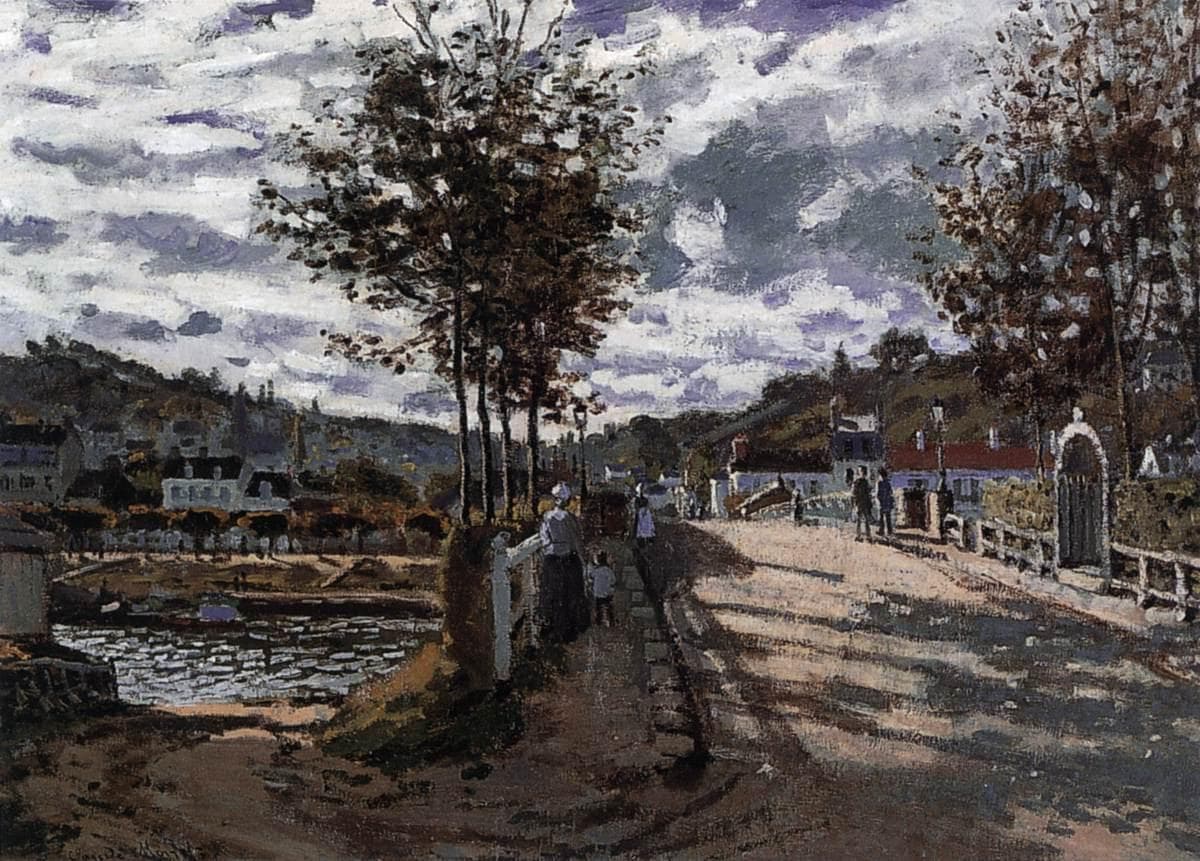
The Bridge at Bougival
Claude Monet · 1869
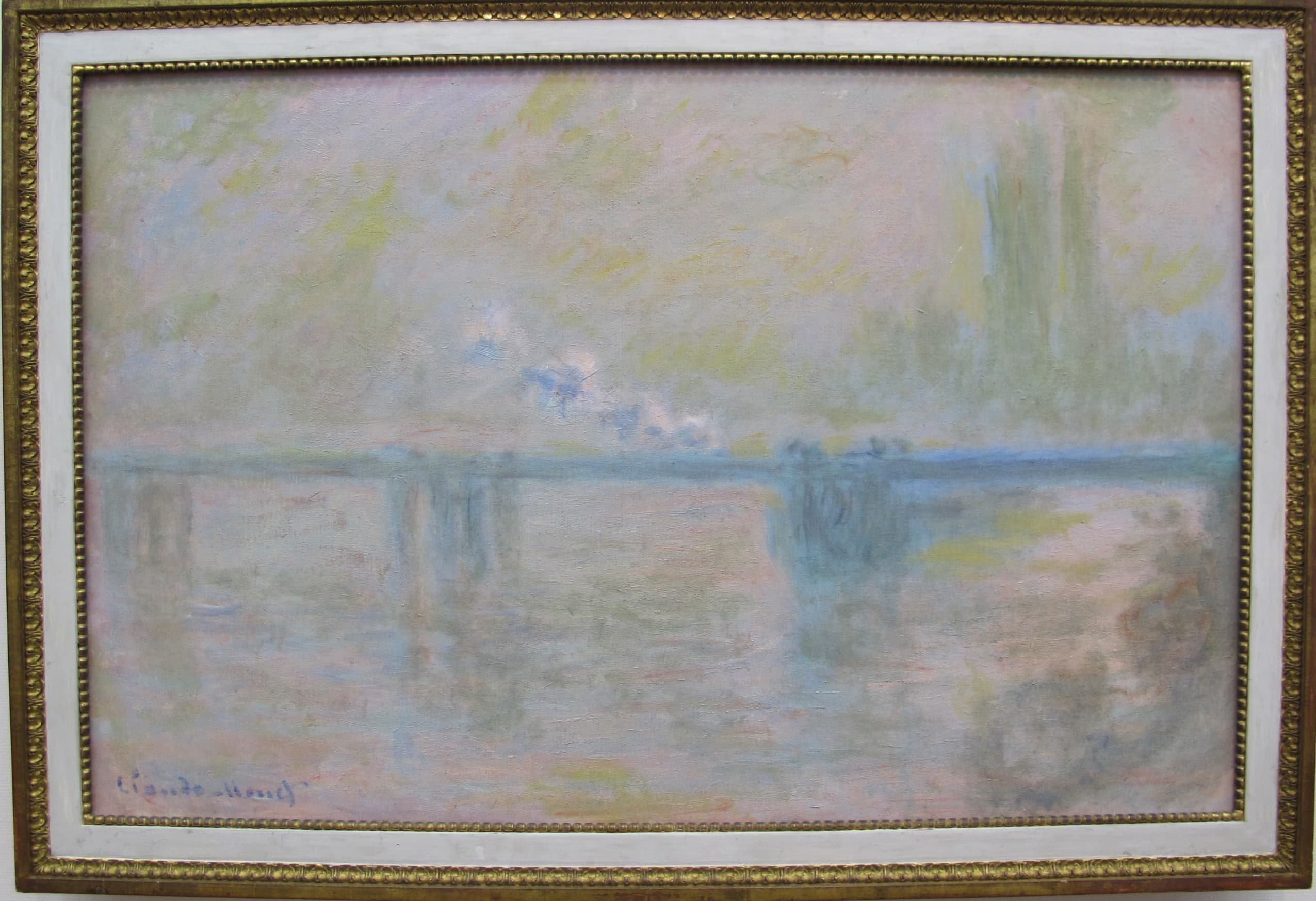
Charing Cross Bridge (Overcast Day)
Claude Monet · 1900
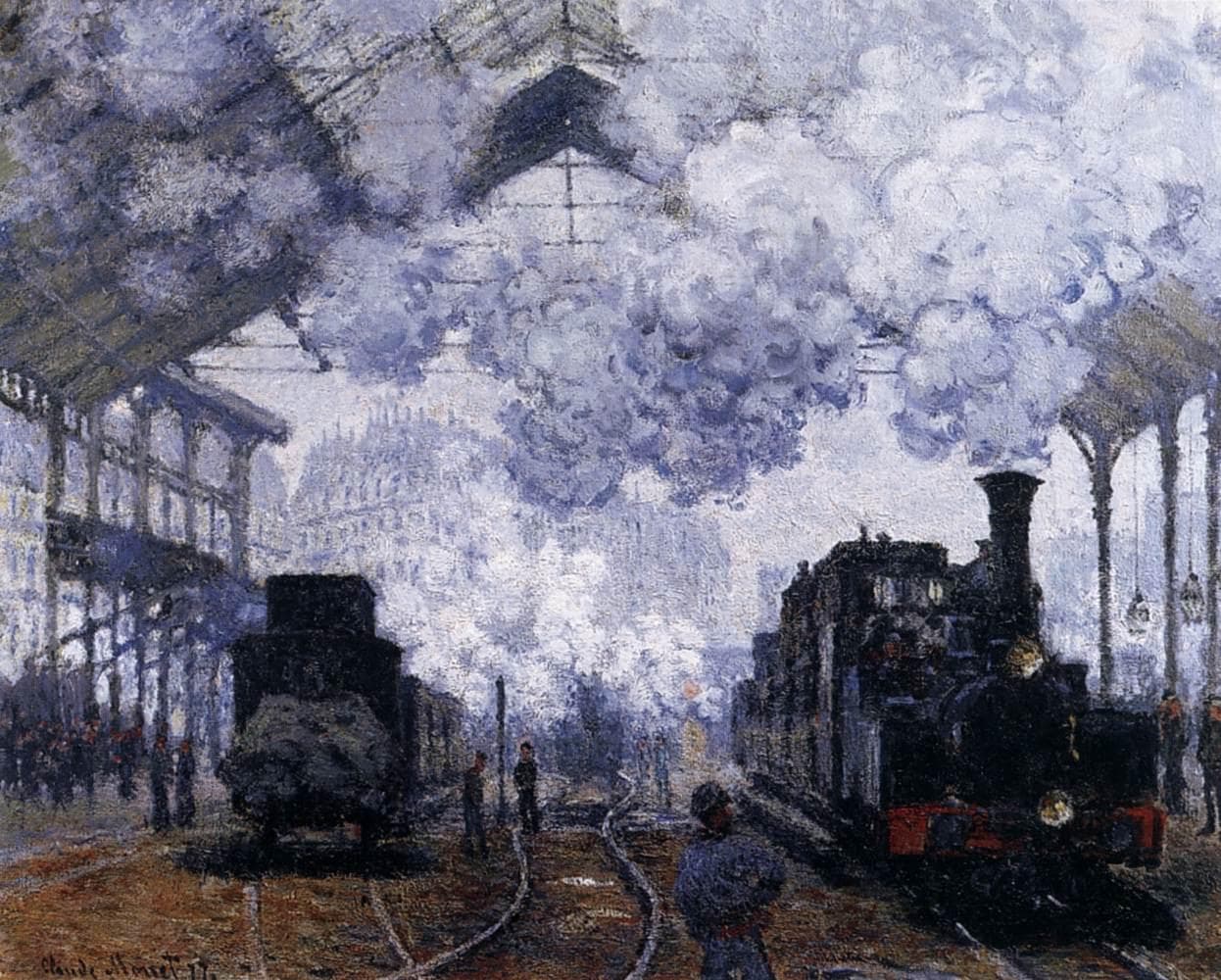
The Gare Saint-Lazare: Arrival of a Train
Claude Monet · 1877
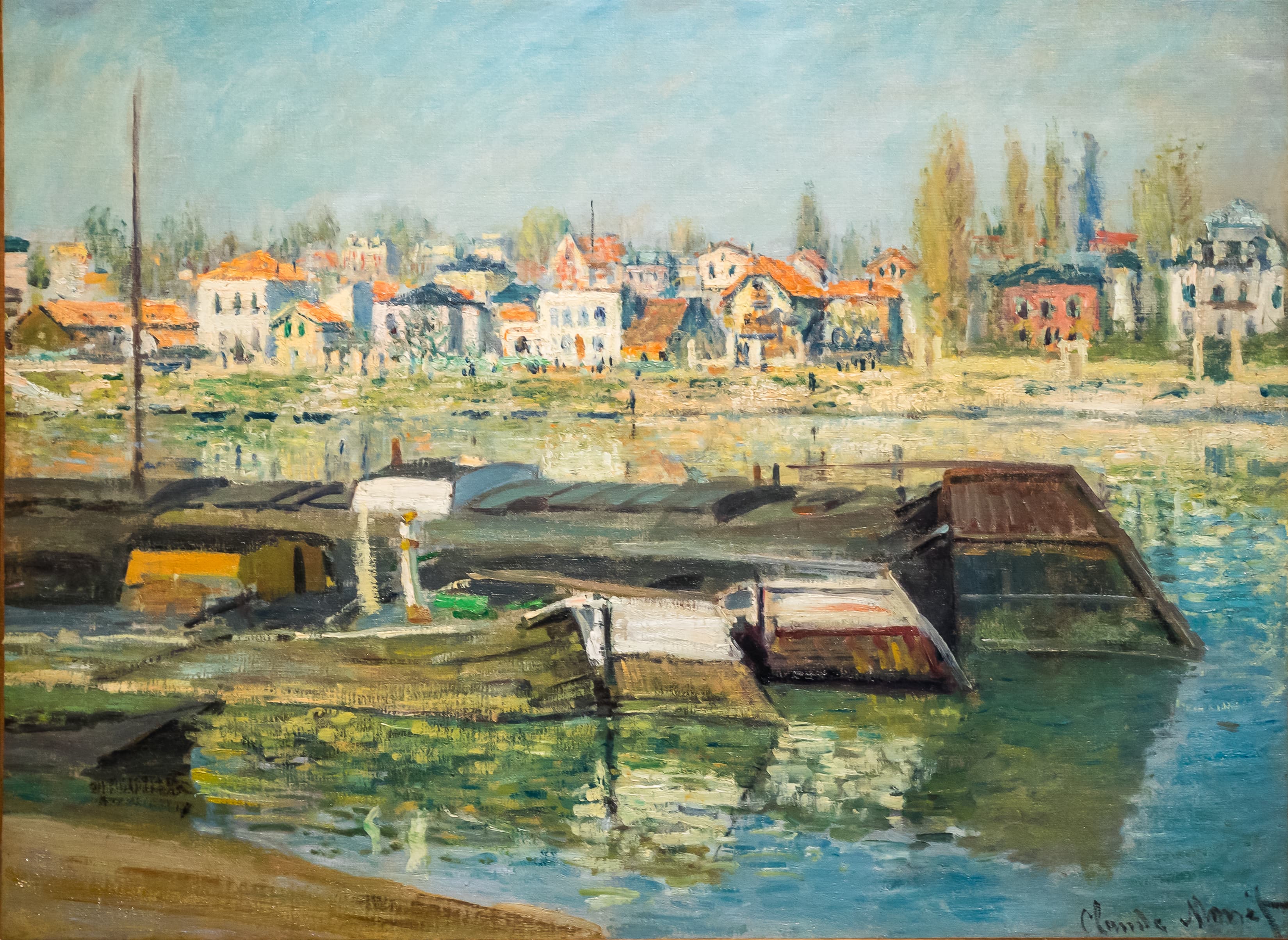
The Seine at Asnières
Claude Monet · 1873
Waterloo Bridge, Gray Day
Claude Monet · 1903