Ottoman decorative arts
Ottoman Jade-Hilted Dagger with Sheath
Ottoman Empire, 18th century
This Ottoman dagger of the 18th century has a carved pale-green jade hilt, a steel blade inlaid with gold inscriptions, and a sheath of green shagreen mounted in gold set with rubies and emeralds. It is in The Metropolitan Museum of Art, New York.
- Artist
- Ottoman Empire
- Date
- 18th century
- Medium
- Jade, steel, gold, copper, shagreen and gemstones
- Dimensions
- L. 36.4 cm with sheath; 33.8 cm without sheath
- Collection
- The Metropolitan Museum of Art, New York, United States
- Movement
- Ottoman decorative arts
What it is
Often described online as an "Ottoman jambiya," the dagger pictured here is in fact a straight-bladed Turkish dagger with its sheath, catalogued by The Metropolitan Museum of Art as Dagger with Sheath, Turkish, eighteenth century (accession 36.25.993a, b). It came to the Met in 1935 with the bequest of George C. Stone, an American engineer whose collection of more than four thousand arms and armor objects from around the world is one of the museum's great resources. With its sheath it measures 36.4 cm long and weighs only about 258 grams; the dagger alone is 33.8 cm. The Met lists its materials as jade, steel, gold, copper, shagreen and gemstones.
What to look for
Start with the hilt. It is carved from a single piece of pale, milky-green jade. The pommel spreads into a flat, curling cap topped by a small knob, the grip swells and narrows in a vase-like shape carved with a crown of leaves, and the base flares again into a lobed, leaf-like guard that sits over the blade. There is no metal guard at all: the jade itself does the work, which is a sign that this is a ceremonial piece more than a fighting weapon.
The blade is straight and double-edged, tapering evenly to a sharp point. Down its length run long channels, and over almost its whole surface the dark steel is inlaid with gold: scrolling palmettes and arabesques at the top and tip, and between them lines of inscription in Arabic script. The gold sits flush with the steel and catches the light as the blade moves, so that the weapon reads as much as a page of decorated writing as a piece of steel.
The sheath is the most colorful part. Its body is covered in green shagreen, the rough, pebbled skin of a ray or shark, dyed green; the tiny raised beads of the skin make a glittering, granular surface. Gold mounts at the throat and tip are chased with foliage and set with clusters of red rubies around green emeralds and other stones, arranged in interlacing ribbon patterns. Two small rings at the top would have held a cord so that the dagger could hang at the belt or be tucked into the sash.
How it was made
Three separate crafts meet in this object. The jade carver shaped the hilt from a hard stone that cannot be cut, only ground away with abrasives, which is why jade hilts were so costly and so admired; the crisp leaf carving on the grip represents many hours at the wheel. The bladesmith forged and ground the steel, and then a specialist inlaid the gold, cutting fine grooves or roughening the surface of the steel and hammering gold wire or foil into it, a technique often called damascening. The goldsmith, finally, made the sheath mounts, chasing the foliage and setting the stones in raised collets. In the Ottoman capital these trades were organized in guilds, and the finest work was made for the palace and the households of high officials.
The Met catalogues the dagger simply as Turkish and of the eighteenth century, without naming a workshop. That caution is typical: luxury daggers were often assembled from parts made in different places, and jade hilts in particular traveled along the trade routes between India, Persia and Istanbul.
A note on names
The name "jambiya" (Arabic for roughly "at the side") properly describes a dagger with a curved, double-edged blade, worn across Arabia, Persia, India and the Ottoman lands; the Met has true Ottoman jambiyas in the same collection. The pictured dagger has a straight blade, so in Turkish terms it is better called a hançer, the general word for a dagger. Neither should be confused with the yatağan (yataghan), a much longer, single-edged short sword.
Use and meaning
Ottoman men of rank wore daggers thrust through the sash, hilt up, where they were plainly seen. A jade hilt and a gem-set sheath like these announced wealth, taste and status far more than readiness to fight. Jade, prized for its hardness and its association with protection, was a favored material for hilts across the Islamic world, and jade grips of Indian origin were often fitted to Turkish blades. Jeweled daggers were also standard diplomatic gifts from the sultan's court: the most famous, the emerald-hilted Topkapı Dagger of 1747, was made as a gift for the Persian ruler Nadir Shah and today sits in the treasury of the Topkapı Palace in Istanbul.
Where to see it
For more objects from the same culture, see our page on Ottoman art. The dagger belongs to the Department of Arms and Armor at The Metropolitan Museum of Art, New York. It is not always on display; the Met's online collection gives its current status. Other major collections of Ottoman arms include the Topkapı Palace Museum and the Military Museum in Istanbul and the Wallace Collection in London. For other objects in our catalogue that join fine craft with ceremony, see Armillary Sphere Ring and El Peto de la Mort.
Questions & answers
Is this an Ottoman jambiya?
Not strictly. A jambiya has a curved blade, while this 18th-century Turkish dagger at the Met has a straight, double-edged blade. In Turkish it would simply be called a hançer, or dagger. It is often labeled a jambiya online because of its jeweled Ottoman style.
Where is this Ottoman jade dagger?
It is in The Metropolitan Museum of Art in New York, accession 36.25.993a, b, part of the bequest of the arms collector George C. Stone in 1935. It is not always on view, so check the Met's online collection before visiting.
What is the sheath made of?
The sheath is covered with green-dyed shagreen, the granular skin of a ray or shark, and fitted with gold mounts set with rubies, emeralds and other gemstones. The hilt is carved jade and the blade is steel inlaid with gold.
What is the difference between a jambiya and a yataghan?
A jambiya is a short dagger with a curved, usually double-edged blade. A yataghan is a much longer, single-edged short sword with a forward-curving blade. Both were used in the Ottoman Empire, which is why the names are sometimes confused.
Kindred works
You may also study
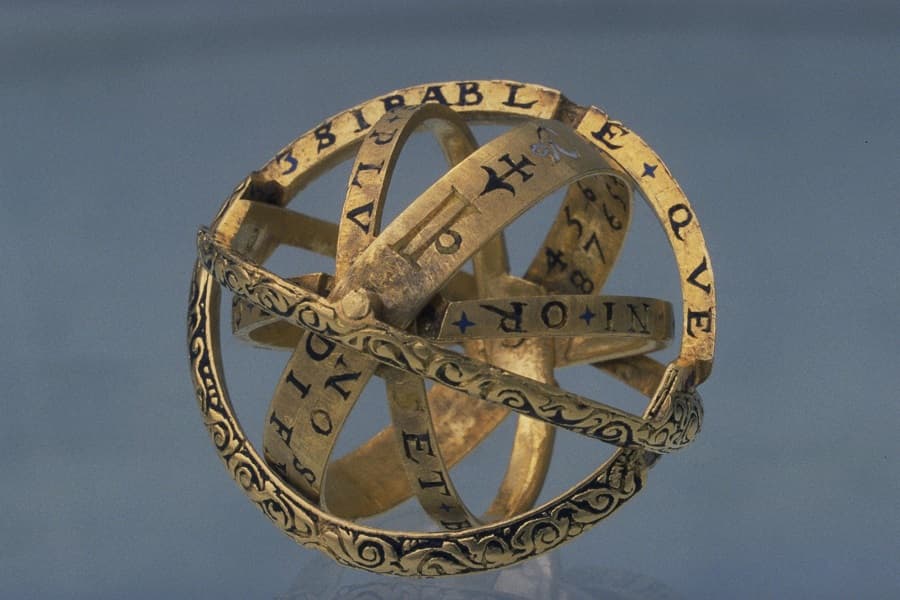
Armillary Sphere Ring
Various Artists or Collaborations · 16th–17th century (form); modern reproductions
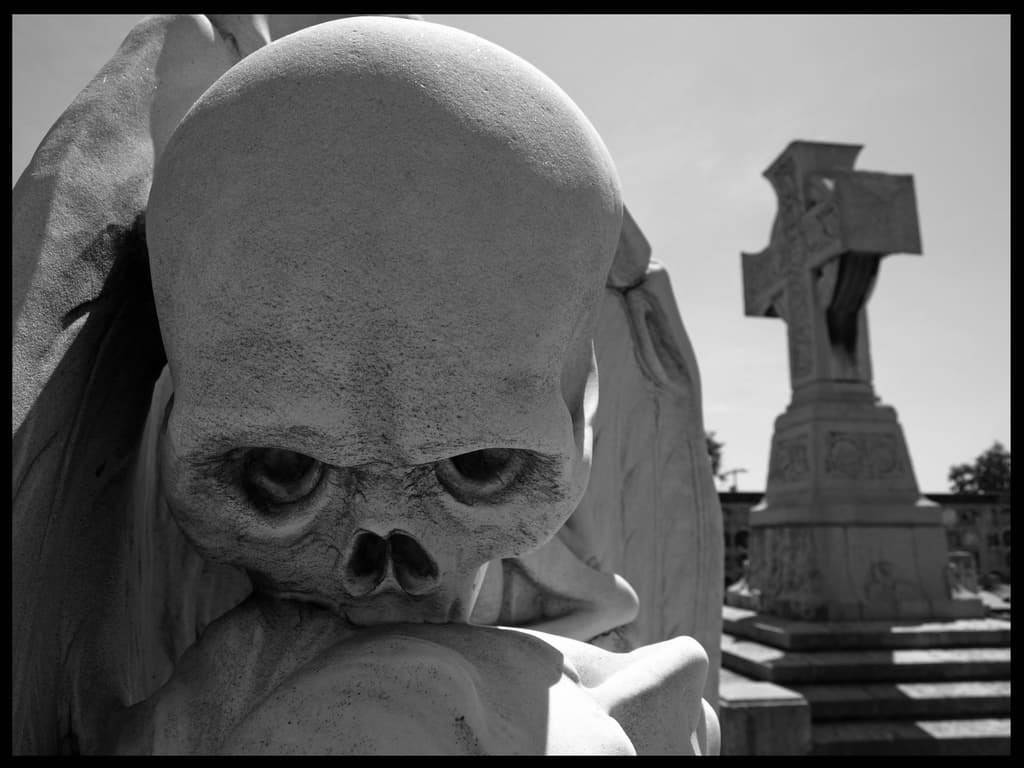
The Kiss of Death (El Petó de la Mort)
Jaume Barba & Joan Fontbernat · 1930
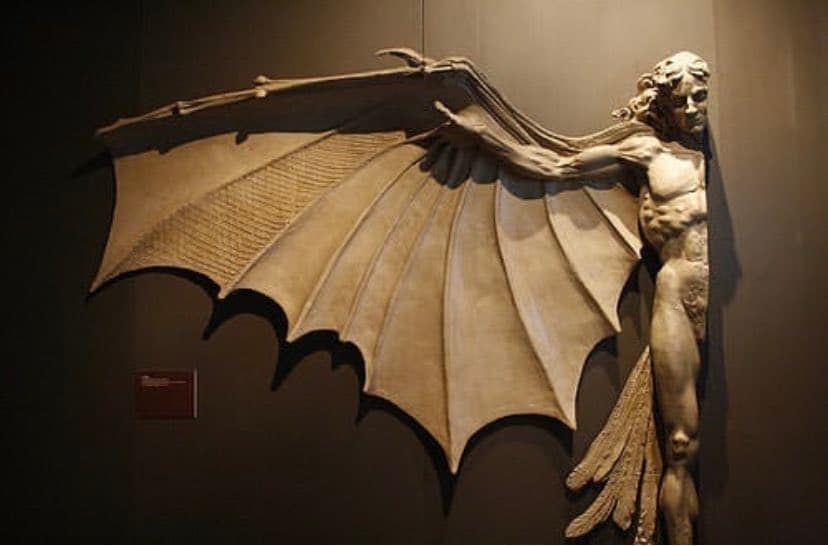
Artificial Wings
Artist Unknown · c. 2008

Saturn Devouring His Son
Francisco Goya · c. 1819–1823
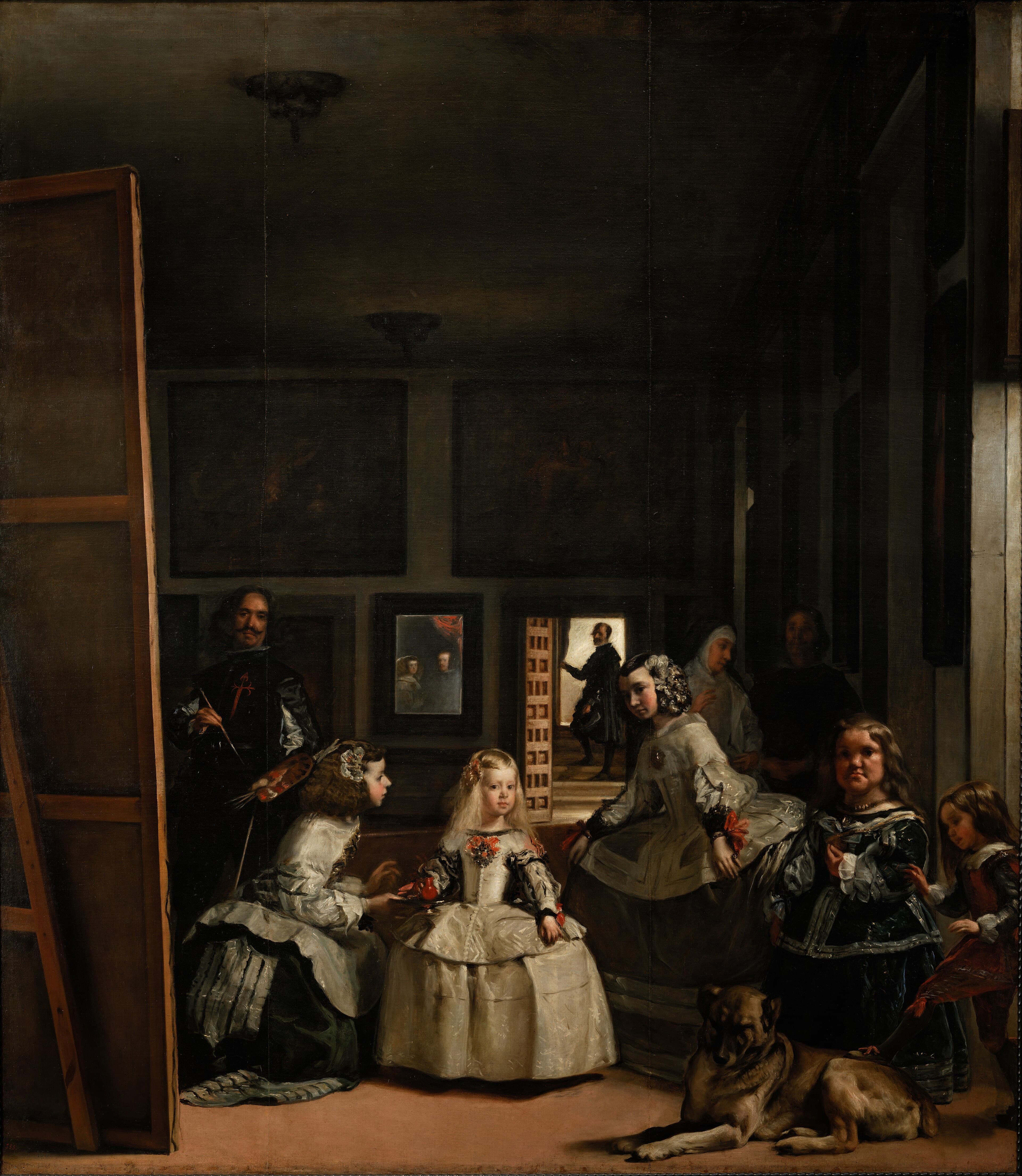
Las Meninas
Diego Velázquez · 1656

The School of Athens
Raphael · 1509–1511
Liberty Leading the People
Eugène Delacroix · 1830

Wanderer above the Sea of Fog
Caspar David Friedrich · c. 1817