Italian (Pisan) · Gothic
Giovanni Pisano
b. c. 1250, Pisa — d. c. 1315, Siena
Giovanni Pisano (c. 1250–c. 1315) was the great Italian Gothic sculptor and architect who designed the lower facade of Siena Cathedral and carved the pulpits of Pistoia and Pisa.
1 work in the collection
Works by Giovanni Pisano
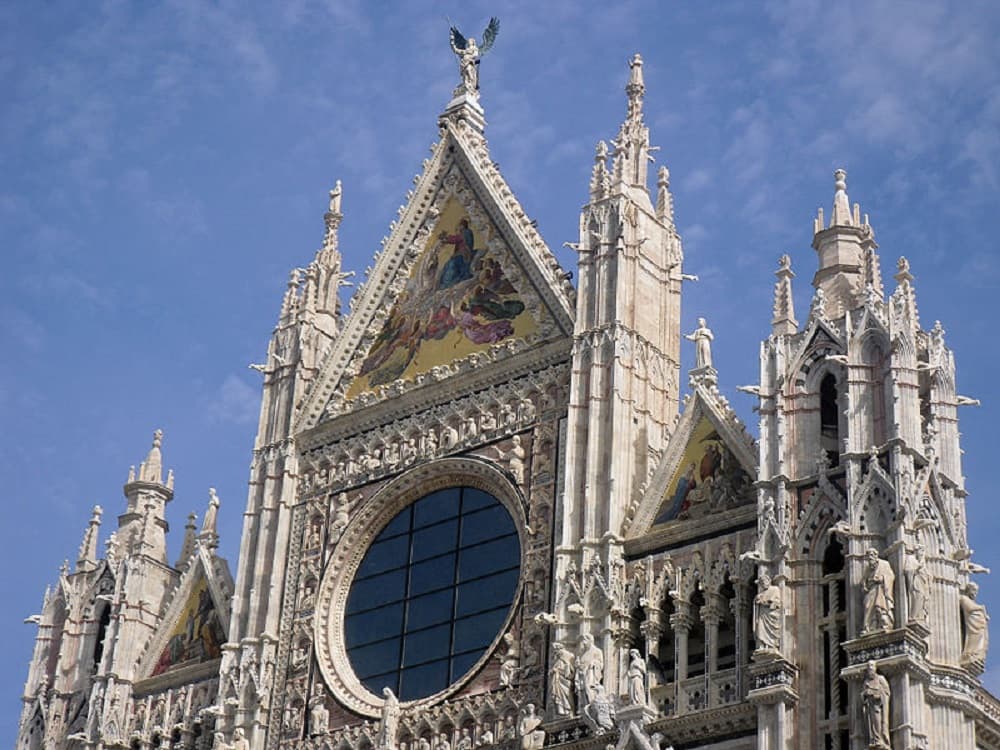
Giovanni Pisano (c. 1250–c. 1315) was an Italian sculptor and architect, the most expressive sculptor of the Italian Gothic. He designed and carved the lower facade of Siena Cathedral, and his figures of prophets and sibyls for it led Henry Moore to call him "the first modern sculptor."
Life in brief
Giovanni was the son and pupil of Nicola Pisano, who had revived the study of Roman sculpture in Pisa. As a young man he worked with his father on the pulpit of Siena Cathedral (1265–68) and on the Fontana Maggiore in Perugia (completed 1278). From around 1284 he was master of works at Siena Cathedral, where he designed the lower half of the facade and filled it with life-size statues. Later he carved two great pulpits, for Sant'Andrea in Pistoia (finished 1301) and for Pisa Cathedral (1302–10), as well as Madonnas in marble and ivory, including the Virgin and Child in the Arena (Scrovegni) Chapel in Padua. He probably died in Siena around 1315.
Style
Where Nicola's figures are calm and Roman, Giovanni's twist, lean and stare. He knew French Gothic sculpture, and he combined its elegance with an emotional force that has no real precedent in Italy. His Siena prophets were made to be seen high up, so he carved them with exaggerated gestures and craning necks, bending forward from the facade as if in conversation with one another. His pulpit reliefs are crowded and dramatic; in the Massacre of the Innocents, mothers clutch dead children in a mass of bodies.
The Siena facade
Pisano's lower facade of three portals, with its statues of Old Testament prophets, sibyls and pagan philosophers who foretold Christ, was the most ambitious sculptural program in Italy at the time. The upper half was completed later by others, including Giovanni di Cecco, in a more decorative style; Camaino di Crescentino was among the masters who succeeded him. The original statues were removed for conservation and are now in the cathedral museum, replaced by copies on the building.
Where to see his work
The Museo dell'Opera del Duomo in Siena holds the original facade statues. His pulpits are in Sant'Andrea, Pistoia, and in Pisa Cathedral. See Gothic Art.
Questions & answers
What did Giovanni Pisano make for Siena Cathedral?
From around 1284 Giovanni Pisano designed the lower facade of Siena Cathedral and carved its life-size statues of prophets, sibyls and philosophers. The originals are now in the Museo dell'Opera del Duomo, with copies on the facade.
Why did Henry Moore call Giovanni Pisano the first modern sculptor?
Moore admired the way Pisano's Siena figures twist, lean and project their heads forward, distorting anatomy for expressive effect and for viewing from below. He saw in them a freedom of form that anticipated modern sculpture.
What is the difference between Nicola and Giovanni Pisano?
Nicola Pisano, the father, revived classical Roman models in calm, solid figures. His son Giovanni absorbed French Gothic influences and made more emotional, dynamic, elongated figures, seen in his Siena facade statues and the Pistoia and Pisa pulpits.